
Last updated November 25, 2026
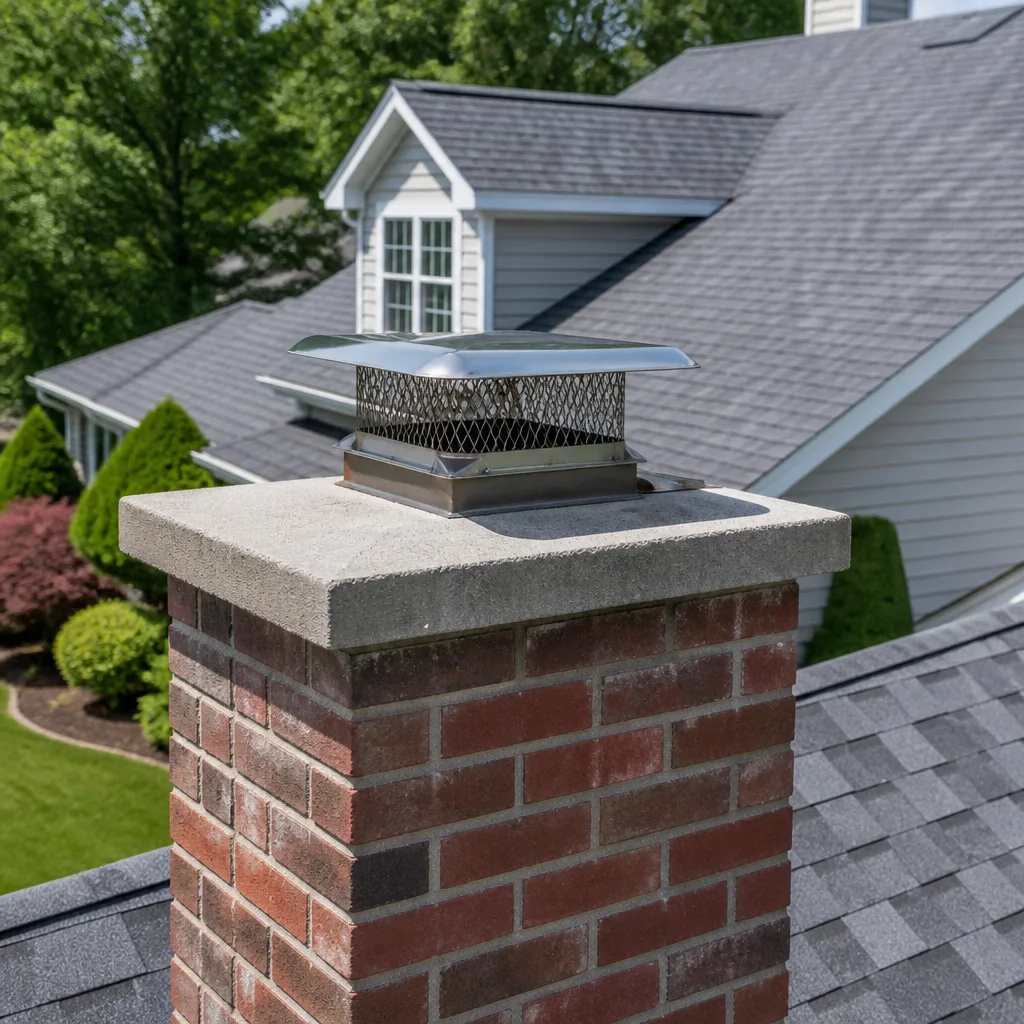 Sweep & inspection
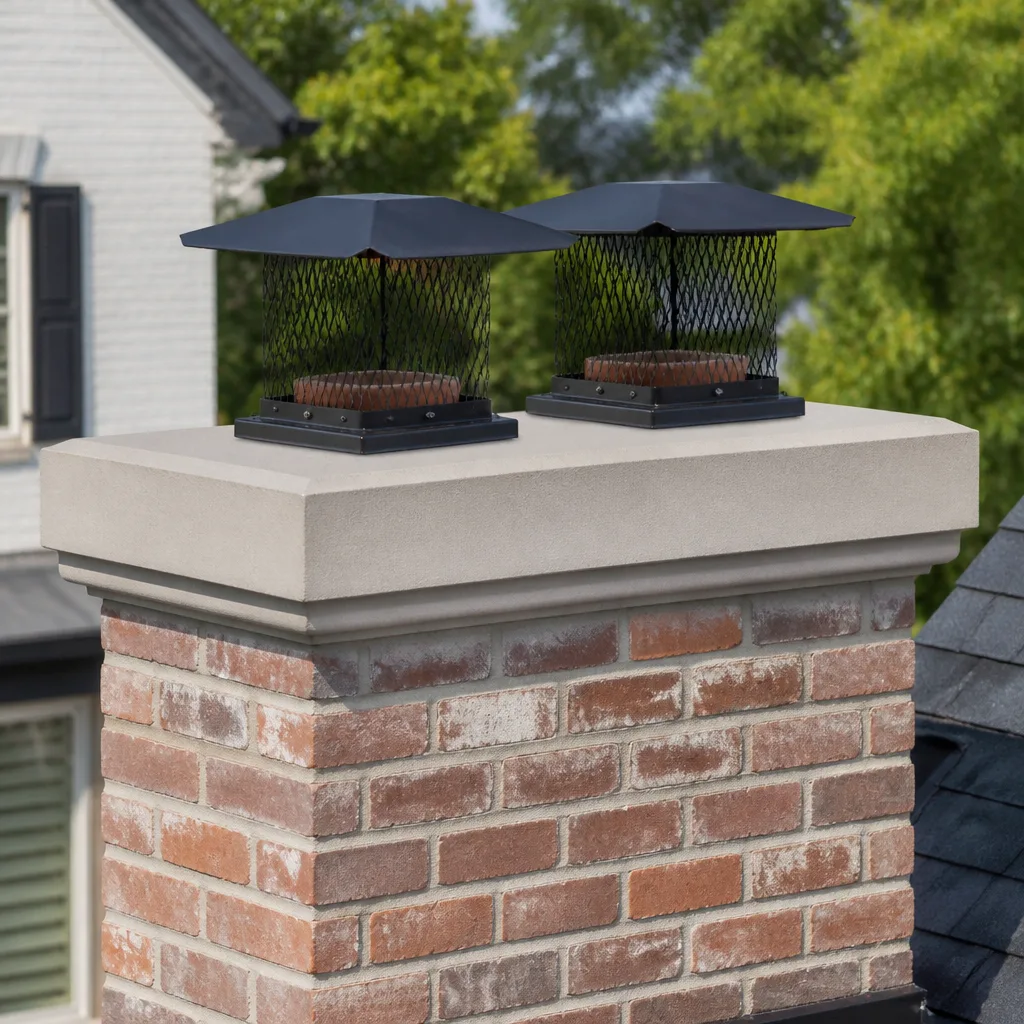 Caps & crowns
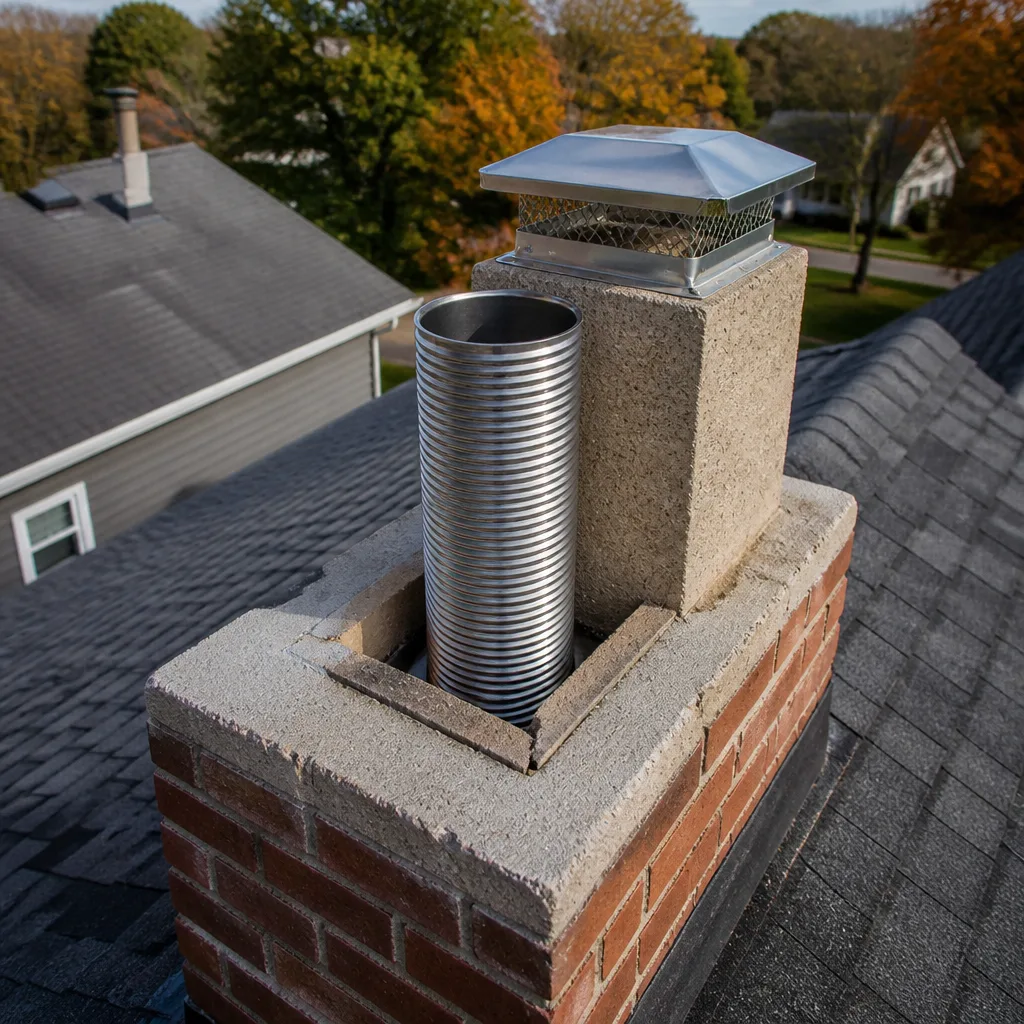 Flue relining
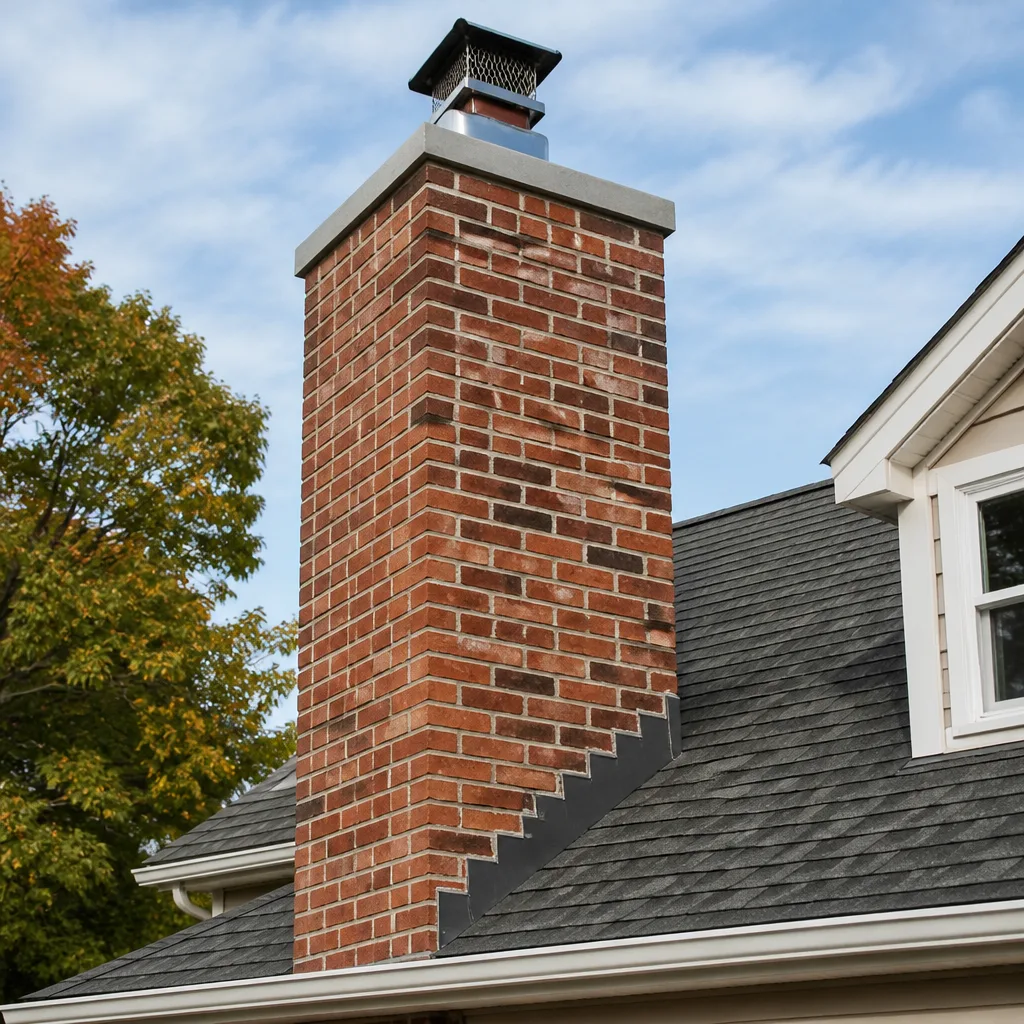 Masonry repair
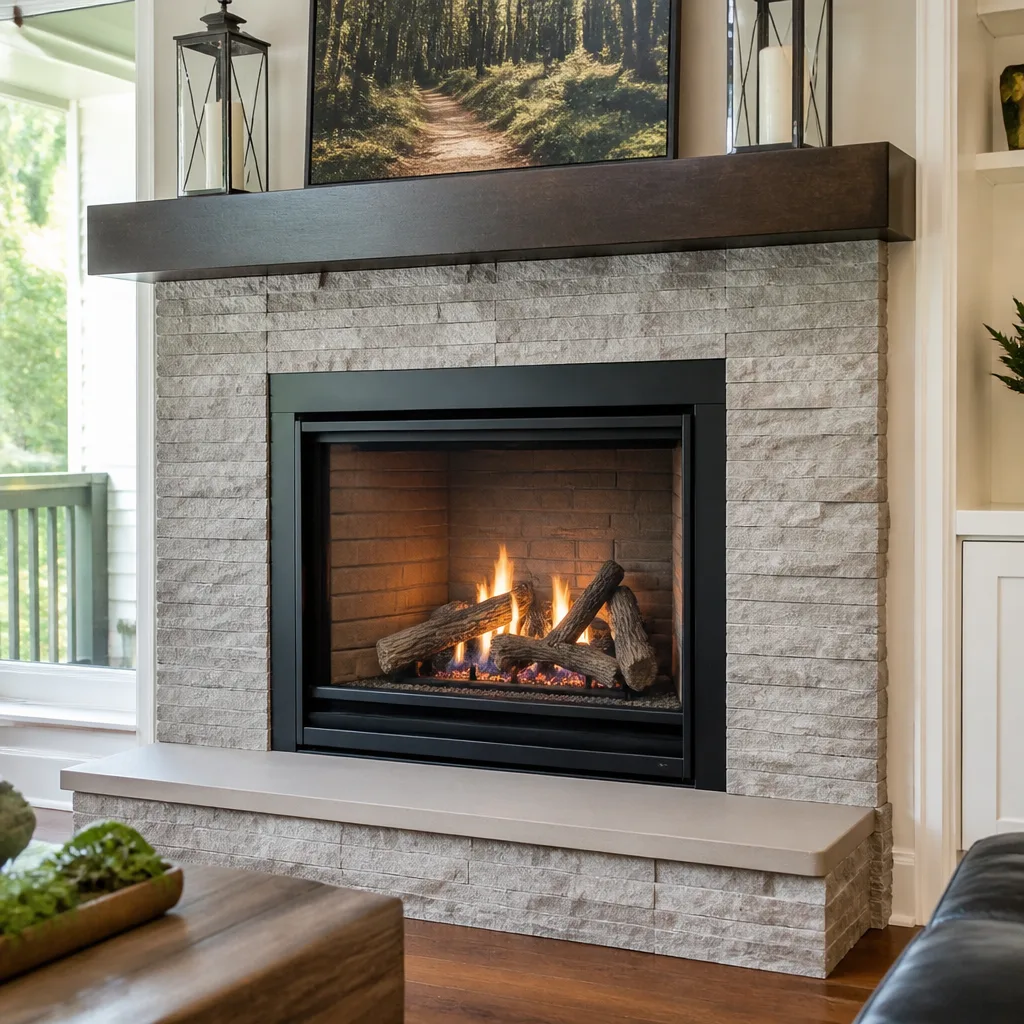 Gas fireplace service
Level 1 sweep and inspection to the NFPA 211 annual standard - flue, crown, cap, and flashing checked and photographed
Chimney sweep logs do not sweep chimneys. They loosen some creosote - which then falls where a brush and vacuum still have to collect it.
The Complete Guide to Chimney Cleaning in South Boston
Most chimney fires don’t start because a homeowner skipped cleaning. They start because the cleaning happened without anyone looking inside the flue first. A brush goes down, soot comes out, the check gets written off as done, and the cracked liner or offset joint three feet up stays right where it was. In a South Boston rowhouse, where flues often share a wall with the unit next door and the masonry is older than most of the people living in it, that gap between “cleaned” and “safe” matters more than the soot ever will. This guide covers what cleaning actually involves in South Boston, how the neighborhood’s triple-deckers change the job, which inspection level applies to your house, and the paperwork you should walk away with.
Quick Answer
Chimney cleaning in South Boston means sweeping the flue of creosote and soot and, just as importantly, inspecting the liner, joints, cap and firebox for damage the sweep uncovers. Most homes with a working fireplace need it once a year, and the right time is before the heating season starts, not mid-winter. A proper job ends with a written report, not just a cleaner firebox.
Styles & brands we work with
- Sweep & inspection
- Caps & crowns
- Flue relining
- Masonry repair
- Gas fireplace service
Table of Contents
- Why Chimney Cleaning in South Boston Isn’t Generic Work
- How Triple-Deckers and Rowhouses Change the Job
- Level 1, 2, and 3 Inspections: Which One Applies After a Boston Winter
- What a Sweep Is Actually Looking For Beyond Creosote
- “Cleaned” and “Safe to Use” Are Not the Same Thing
- What Age Does and Doesn’t Change About Cleaning
- What Homeowners Can Safely Check Themselves
- What Chimney Cleaning Typically Costs in South Boston
Why Chimney Cleaning in South Boston Isn’t Generic Work
Chimney advice written for a suburban house on a quarter acre doesn’t translate to a South Boston rowhouse. The building stock here is dense, old, and built shoulder to shoulder. Many of these homes went up before 1950, and their chimneys were designed for coal, oil, or open hearths, not for the way people run wood inserts and fireplaces now. That mismatch is where most problems hide.
The neighborhood’s layout adds a second layer. Chimneys on South Boston rowhouses often sit along a shared party wall or at the rear of the building above a flat roof, which affects how a technician accesses the flue from above and how much can be seen from the ground. Two adjacent flues in the same stack are common. When one has a cracked tile, the unit next to it can be drawing through a compromised path.
Then there’s the heating season itself. Boston winters push a fireplace into heavy use from late fall through early spring, and the freeze-thaw cycles that come with them work on masonry crowns and mortar joints year after year. A sweep in South Boston has to read all of that, not just run a brush. That’s why a chimney-only specialist matters here. A general handyman sweeping chimneys on the side doesn’t carry the diagnostic tools or the material range to fix what a sweep turns up. When a flue needs resurfacing, the HeatShield method lets us restore deteriorating mortar joints without tearing out a liner that still has life in it, and that option simply isn’t on the table for a multi-trade contractor who doesn’t work with the product.
We offer Chimney Sweep South Boston as the entry point to the full system, which means the same crew that sweeps your flue can also handle the cap, the crown, the firebox, and the liner under one specialist rather than three contractors you have to schedule yourself.
How Triple-Deckers and Rowhouses Change the Job
South Boston’s triple-deckers and rowhouses are the defining feature of the neighborhood’s chimney work, and they create conditions you won’t find in a detached single-family home. Understanding them helps you know what a technician is up against before anyone climbs a ladder.
- Shared walls and shared stacks. When two units share a chimney stack, a defect in one flue can affect draft in the other. Cleaning one side without checking the neighbor’s liner is a guess, not a diagnosis.
- Access from above. Rear chimneys above flat roofs are common in South Boston. Getting to the top safely requires the right ladder setup and roof access, which is one reason this isn’t a job for a homeowner with a hardware-store brush.
- Multiple flues, one stack. A rowhouse stack may serve the fireplace, an old furnace flue, and a vent for something else all at once. A sweep needs to identify which flue serves what before sweeping anything.
- Offsets and bends. Older construction sometimes offsets the flue to route around a structural element. Those angles are where creosote collects and where a straight brush alone won’t clean.
- Party-wall fire risk. In a rowhouse, a chimney fire doesn’t stay neatly inside one unit. Shared masonry transfers heat, which is exactly why cracks and gaps get documented in South Boston rather than shrugged off.
A technician who works these buildings regularly knows to ask who lives on the other side of the wall and whether the neighbor’s flue has been checked. If you’re in a triple-decker and you’re the only unit getting a sweep, say so when you book. It changes how we approach the inspection, and it may mean a conversation with the other unit is worth having.
Level 1, 2, and 3 Inspections: Which One Applies After a Boston Winter
Not every cleaning comes with the same inspection. The chimney trade uses three levels, and knowing which one you’re getting keeps you from paying for a service you didn’t need or missing one you did.
- Level 1 inspection. This is the basic visual check that comes with a routine annual sweep. The technician looks at the readily accessible parts of the chimney and firebox, checks for creosote buildup and obvious blockages, and confirms the system is sound for continued use. If you’ve had no changes to the system and no problems since last year, this is usually what applies. It’s what we recommend for a homeowner in South Boston who burns regularly and keeps up with annual cleaning.
- Level 2 inspection. This one is more thorough and applies after a change or an event. Think: a new wood insert, a change in fuel type, a chimney fire (even a small one), a storm that damaged the cap, a new home purchase, or any sign of a problem like smoke backing into the room. A Level 2 goes into accessible portions of the attic and crawlspace and often uses a camera to look at the flue interior. After a hard Boston winter, a Level 2 is often the right call, especially if the crown or cap took a hit from freeze-thaw.
- Level 3 inspection. This is the most involved level and only happens when a serious hidden problem is suspected. It can involve removing parts of the chimney or its surrounding structure to reach an area a camera can’t see. Most South Boston homeowners never need a Level 3, but if a technician recommends one, they should be able to explain exactly what they suspect and why.
Our chimney sweep service always includes the appropriate inspection for the visit, and we treat an inspection as a service in its own right, not a sales funnel for repair work. If you call for a standalone inspection after a winter of heavy burning, that’s a valid reason to book, and you’ll get a straight answer about what we find.
What a Sweep Is Actually Looking For Beyond Creosote
Creosote is the headline, but it’s rarely the whole story. A sweep who only removes soot and leaves is doing half the job. Here’s what a proper sweep is physically checking while the brush is out.
- Liner cracks and gaps. Clay tile liners in older South Boston homes crack. When they do, heat and gases can reach the surrounding masonry, which is where a house fire starts. A camera reveals what the eye can’t.
- Offset joints and gaps between tiles. The mortar between liner tiles can erode over decades, leaving a gap that lets creosote and heat escape behind the liner. HeatShield resurfacing can restore that seal without a full liner replacement in the right conditions, which is often the less invasive fix.
- Animal intrusion. A missing or damaged cap is an open door. Birds, squirrels, and raccoons get into flues, and their nesting material blocks draft and creates a fire risk. If your cap is missing, the fix is a proper cap sized to the flue, and Gelco’s custom-fit caps are built to match rather than a generic cover.
- Cap and crown condition. The crown, the concrete top of the chimney, cracks with freeze-thaw. A cracked crown lets water into the masonry, which then fails from the inside. That’s a chimney cap & crown job, and it should be handled before it cascades into a structural repair.
- Firebox damage. Cracked firebox brick, a failing damper, or deteriorated mortar around the firebox all affect safe use. That’s fireplace repair territory, and it’s worth catching at the same visit as the sweep.
- Creosote type and depth. Not all creosote is equal. Light, flaky creosote sweeps off easily. Glazed, tar-like creosote is harder to remove and far more flammable. The depth and type tell us how to sweep and whether the flue needs extra treatment.
Full-system capability is the reason we can do this in one visit. From cap and crown at the top to firebox and liner repair below, there’s no subcontracting, no “we’ll have to send someone else out,” and no gap between the sweep and the fix. When a DuraFlex liner system is the right answer for a badly deteriorated flue, it comes from the same toolkit that handled the inspection.
“Cleaned” and “Safe to Use” Are Not the Same Thing
A cleaned chimney is one where the flue has been swept. A chimney that’s safe to use is one where the flue has been swept and the liner, joints, cap, crown, and firebox have been checked and found sound. Those are two different claims, and only one of them protects your house.
This is why documentation matters. When the job is done, ask for a written report that states what was found, not just that a sweep was performed. A useful report answers a few direct questions:
- What level of inspection was performed, and what was checked?
- What was the condition of the liner, and was it viewed by camera?
- Was there any creosote buildup, and at what depth and type?
- What did the cap and crown look like?
- Were any defects found, and if so, what’s the recommended fix?
- Is the system safe to use, safe to use with conditions, or not safe to use as-is?
If a company can’t tell you which level of inspection it performed or hand you a written summary, you’ve paid for a sweeping, not a certification of safety. And a report isn’t a sales pitch. If the system is fine, the report should say so. If something can wait until next season without creating a hazard, it should say that too. Answering the question of whether work can safely wait is part of an honest inspection, and it’s the main reason we offer inspections as a standalone service. You can call for a check, get a straight report, and decide later.
If you’re wondering whether the work can safely wait, the honest answer is sometimes yes. A hairline crack in a crown that hasn’t opened up yet can often be monitored and scheduled. A glazed creosote layer can’t. The report is what tells the two apart, and it’s the difference between reacting to a real problem and paying for a repair the chimney didn’t need.
What Age Does and Doesn’t Change About Cleaning
Many South Boston homes predate 1950, and that history shapes both what cleaning can fix and what it can’t. The fact that a chimney is old doesn’t automatically mean it’s in bad shape, and it doesn’t mean everything about it can be cleaned back to life.
What age changes about the job:
- Original construction methods. Older flues were often built for coal or oil, not wood, and the liner dimensions and materials reflect that. A sweep has to work with what’s actually there, not assume a modern flue.
- More decades of freeze-thaw. A crown that’s survived 70 winters has seen more than a newer one. It may be sound or it may be on its last legs. Inspection answers the question.
- Past repairs hidden from view. Older rowhouses often carry repairs made by previous owners, and not all of them were done to today’s standard. A camera inspection is the only reliable way to know what you’re starting with.
- Likely liner deterioration. Clay tiles crack and mortar joints erode with time. On a chimney that’s been in service for decades, that’s not a surprise; it’s a condition to assess.
What age doesn’t change: cleaning is cleaning. The mechanics of sweeping a flue, the creosote behavior, and the need for annual inspection don’t get easier or harder because of the year the house was built. What changes is what the inspection turns up, and what repair options actually make sense. A flue that’s lost mortar at the joints may be a candidate for HeatShield resurfacing; a flue that’s badly cracked and unlined may need a full DuraFlex liner. Both are fixes a chimney-only specialist carries the materials to handle, which is the practical reason we work with those brands.
What Homeowners Can Safely Check Themselves
There’s a line between what you can safely check and what needs a trained professional, and it’s important to know where it is.
Safe to check yourself, from the ground or the firebox:
- Look up the flue with a flashlight from the firebox when the chimney is cold. You can see blockage, animal nest material, or obvious heavy soot.
- Look at the cap from ground level with binoculars. A missing cap or a visibly damaged one is a clear sign to book a sweep.
- Check the firebox for loose brick, crumbling mortar, or a damper that doesn’t move freely. Note what you see and tell the technician.
- Watch the draft. If smoke rolls back into the room when you burn, that’s a sign of a blockage or a draft problem worth investigating.
Not safe to do yourself: don’t climb the roof to inspect or clean, don’t remove the cap or crown, don’t try to clear a blockage with a DIY brush or by dropping anything down the flue, and don’t attempt any work inside the flue beyond looking. Roof access on a rowhouse is a fall hazard, and a blocked flue cleared improperly can push dangerous gases into the living space. A trained technician should handle everything above the firebox and every repair. Our technicians have up to 11 years of experience, and that experience is the reason this is a specialist’s job, not a homeowner’s.
What Chimney Cleaning Typically Costs in South Boston
Pricing a chimney sweep is different from pricing most home services because the range depends on what’s actually inside the flue. A routine sweep on a system that’s been maintained is one job; a sweep that uncovers creosote buildup, a damaged cap, and a liner that needs resurfacing is a different scope with a different estimate. The written estimate is what sets the final price, and it comes before any work is booked.
- Routine chimney sweep with Level 1 inspection. The base service, priced per flue and per system condition. The estimate reflects what we find when we inspect.
- Level 2 inspection with camera. A more thorough diagnostic service, including a camera view of the flue interior. Priced as a standalone service when that’s what you need.
- Cap and crown repair or replacement. Priced by the size and condition of the crown and the cap that fits the flue. A custom-fit cap from Gelco is a different job than a repair to a degraded crown.
- Liner resurfacing or replacement. Priced by flue condition and length. HeatShield resurfacing and a full DuraFlex liner system are different scopes, and which one applies is a finding, not a package deal.
- Fireplace repair. Priced by the repair itself, from a damper to firebox brick and mortar.
We don’t quote over the phone, and that’s on purpose. Every South Boston chimney sweep gets a written estimate on the day, and the number you’re given is the number for the job, not a starting point that grows once we’re on the roof. If you’re looking for a figure to budget around, call (855) 550-7472 for an exact quote. Estimates are free, we answer 24/7, and fast dispatch runs from 7am to 7pm, Sunday through Friday.
Common Mistakes to Avoid
- Skipping the inspection when you book a sweep. A cleaning without a visual check leaves you betting on a flue you haven’t looked at. The inspection is what makes the sweep worth the money.
- Assuming a swept chimney is a certified chimney. Ask for the written report and confirm the inspection level. “We swept it” and “it’s safe to use” are two different statements.
- Ignoring a cracked crown until the masonry fails. In South Boston, freeze-thaw opens a cracked crown season after season. Catching it while it’s a crown repair saves the cost of a structural repair later.
- Letting a missing cap stay missing. No cap means animals, rain, and debris in the flue, and it means the blockages a sweep has to clear were preventable in the first place.
- Hiring a general handyman for a sweep. A multi-trade contractor doesn’t carry the camera, the liner materials, or the brand range a chimney specialist does, and the job stops at the brush.
- Cleaning at the wrong time of year. Sweeping in mid-January when you’re already burning means downtime. The right window in South Boston is before the heating season, not during it.
- Booking a sweep without knowing which flue serves what. In a triple-decker, that’s a conversation worth having with the technician before anyone is on the roof.
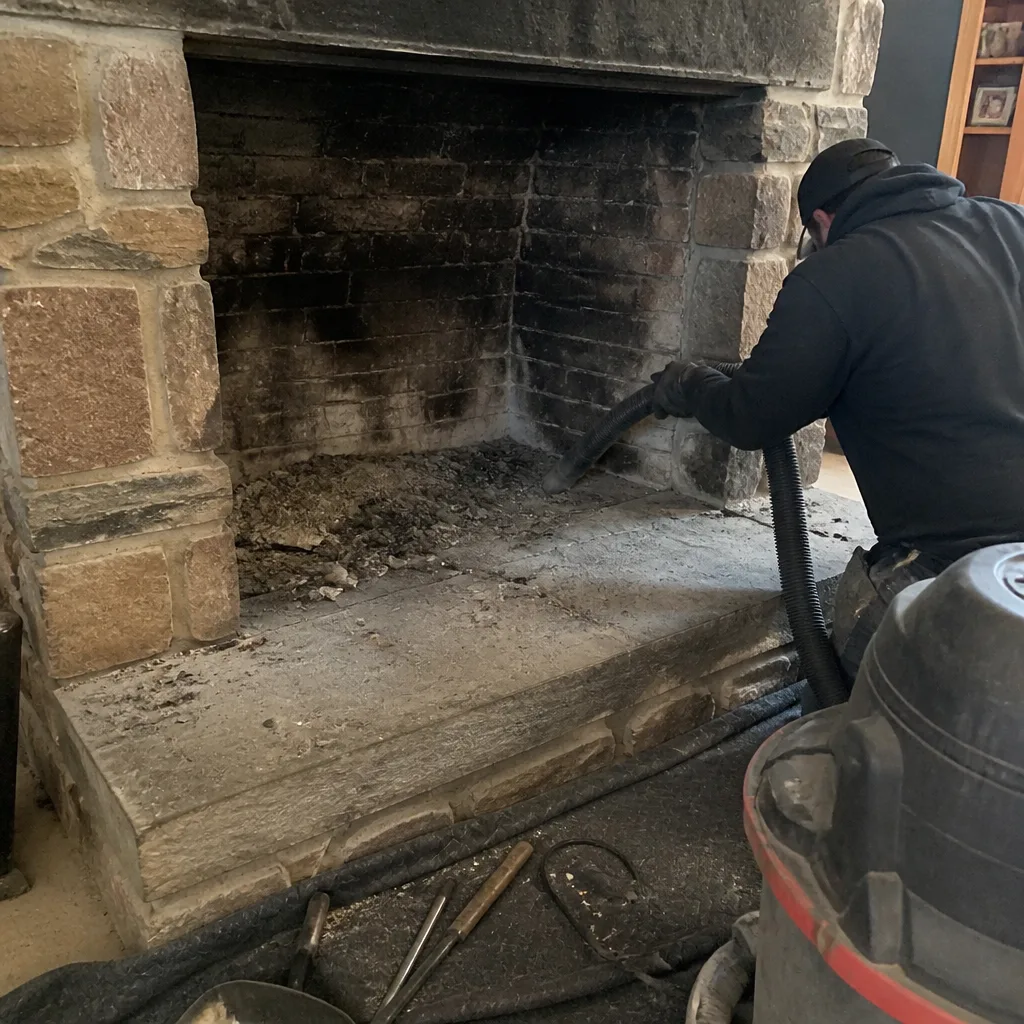
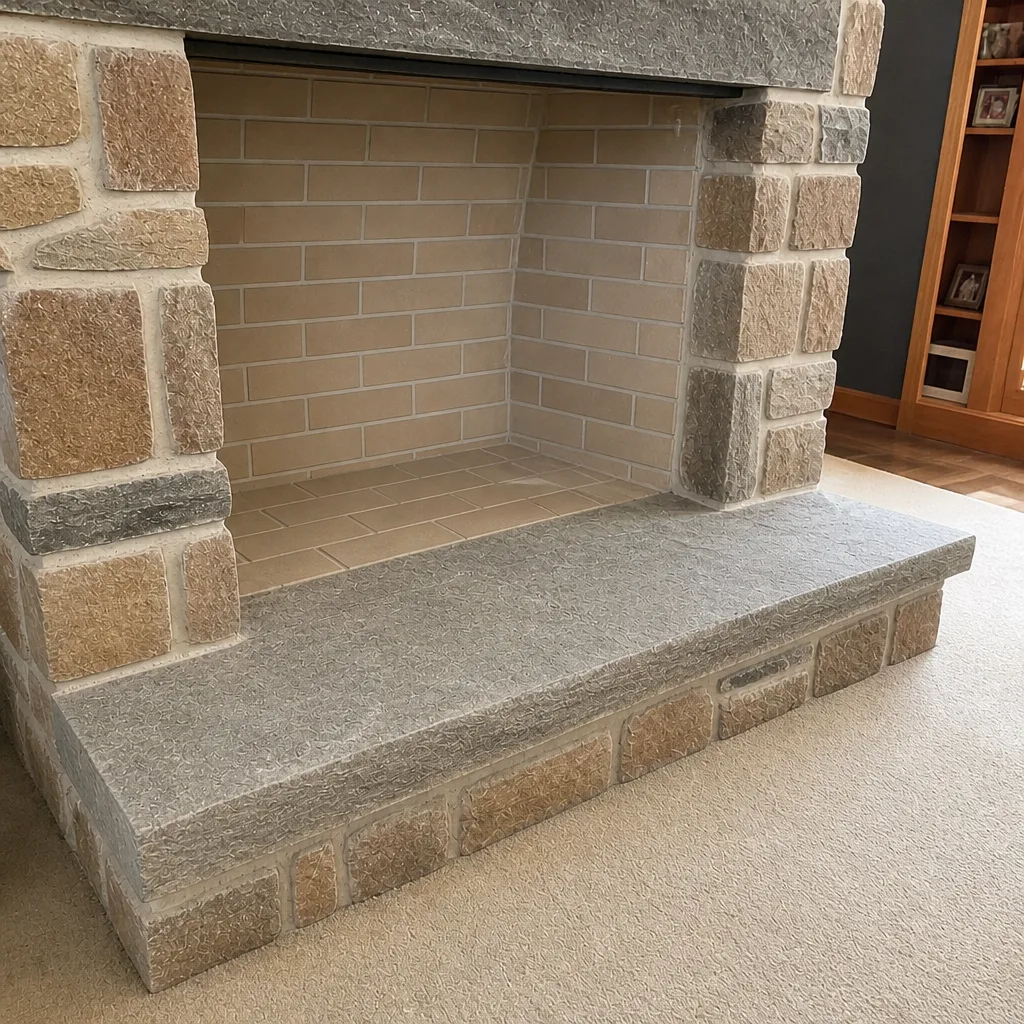
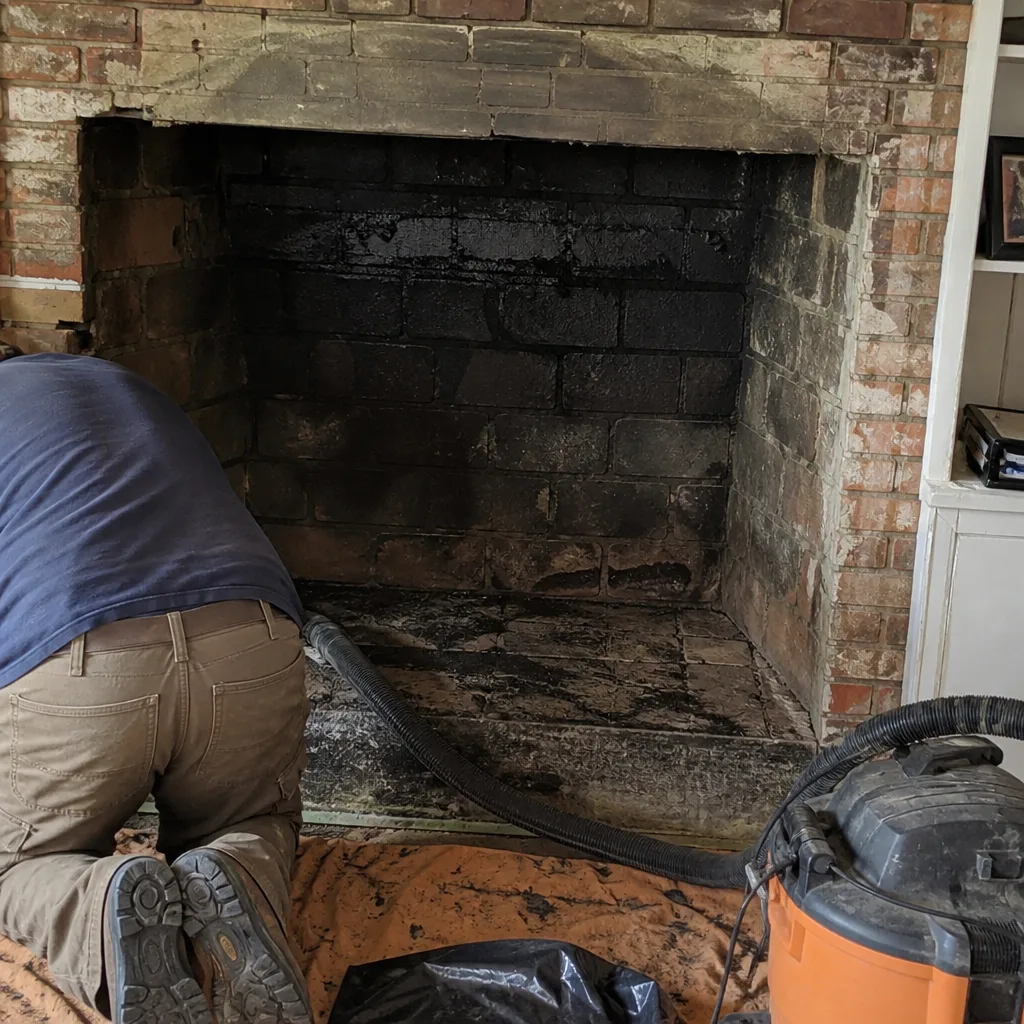
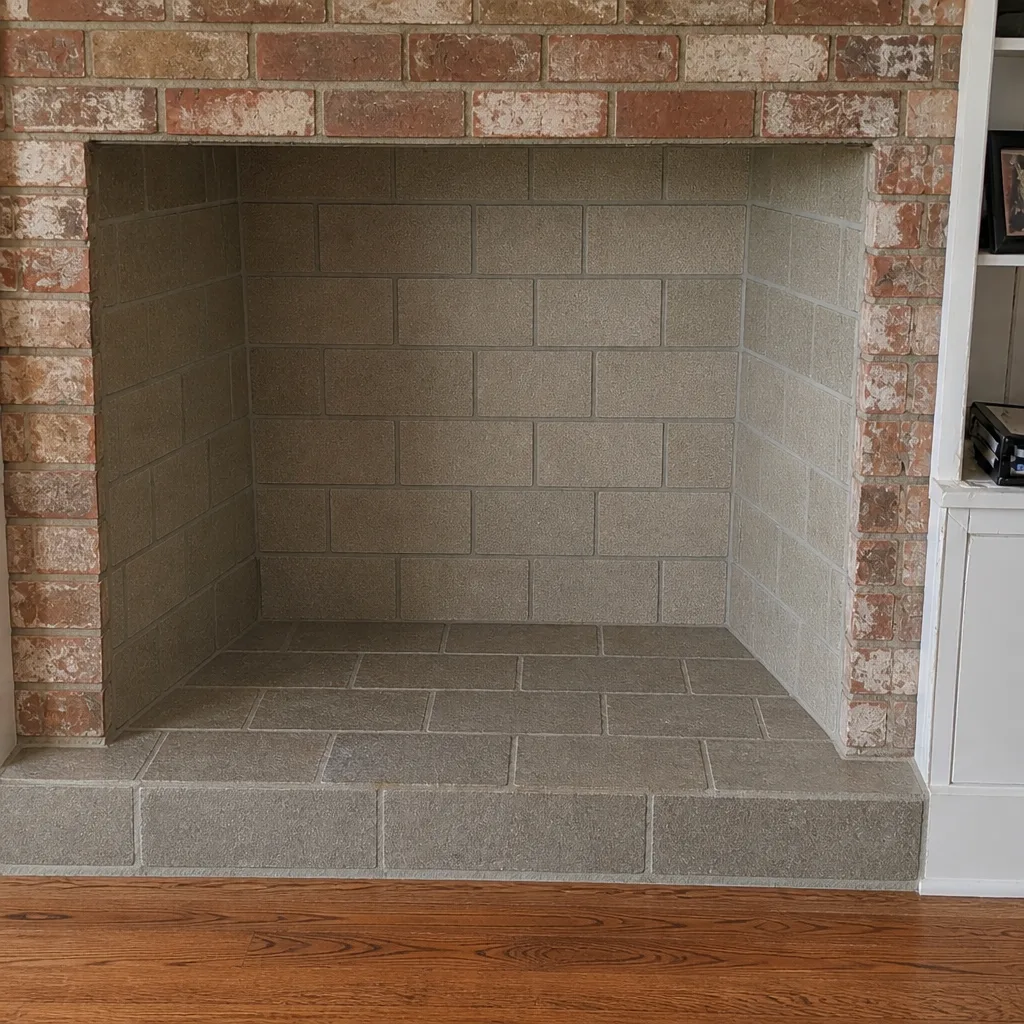
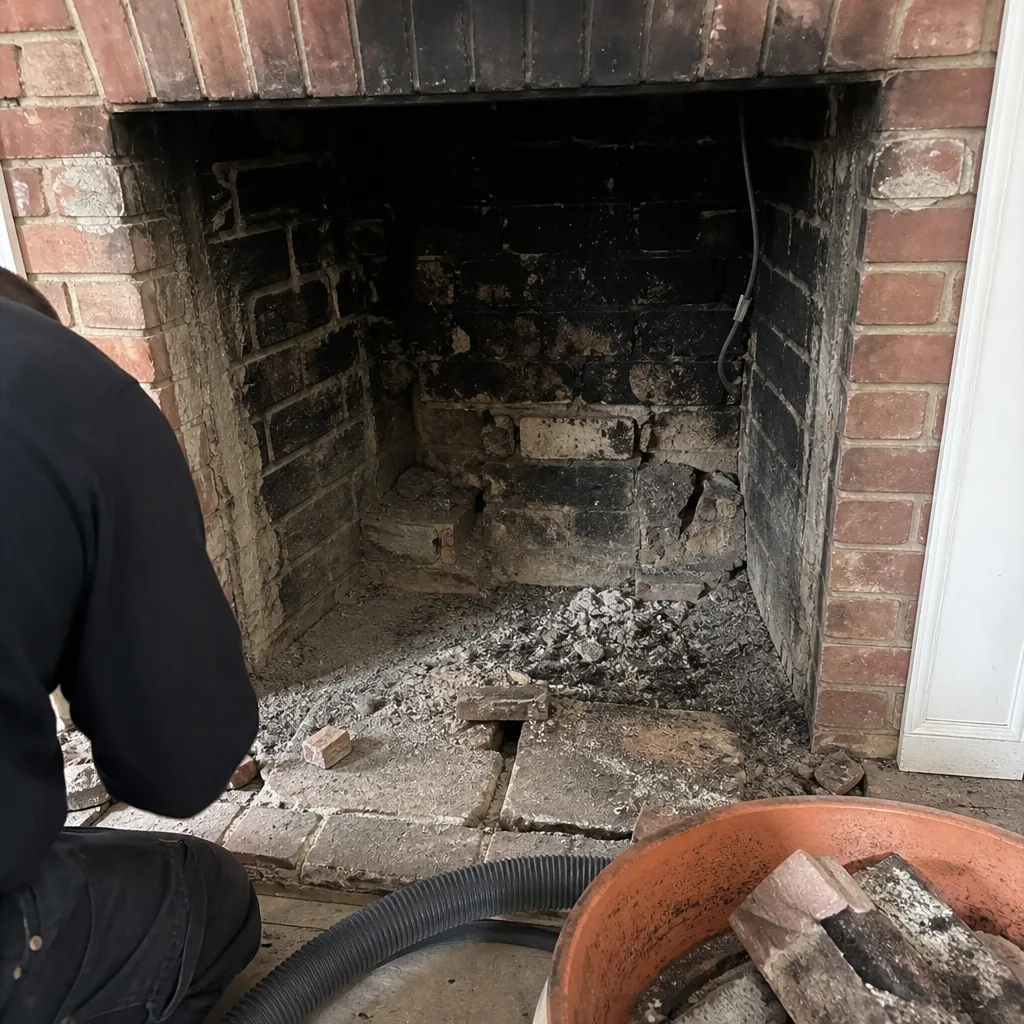
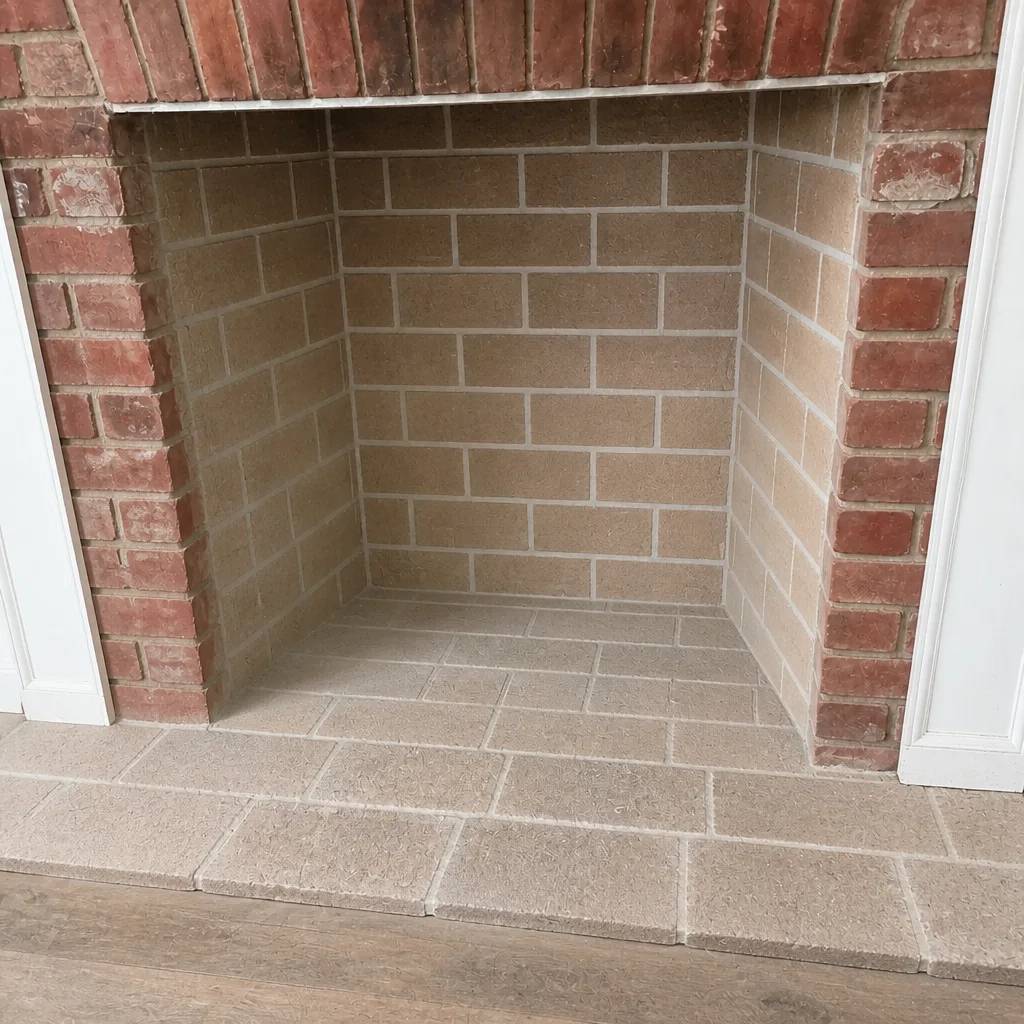
See the difference
 Before
 After
 Before
 After
 Before
 After
When to Call a Professional
Some signs are clear. If a bird is in the firebox, if smoke rolls into the room when you burn, if you’ve had any chimney fire (even a small one), if you’ve just bought the house, or if you can see a cracked crown or a missing cap, those are professional diagnostics, not homeowner fixes. Any hint of carbon monoxide inside the living space, from a detector alarm or from the smell of combustion gases, is a call to a professional and to the fire department, not a call to your local hardware store. A routine annual chimney sweep is the other reason to call, and it’s the simplest one. Your chimney system should be treated as a whole, and the specialist who sweeps it can also diagnose and fix anything the sweep turns up.
If your chimney hasn’t been opened up this year and your fireplace is going to run all winter, this is the month to book. Chimney Sweep South Boston offers free estimates in South Boston. Call (855) 550-7472. We answer 24/7, and fast dispatch runs from 7am to 7pm, Sunday through Friday.
Frequently Asked Questions
Once a year for a home with a working fireplace, and before the heating season rather than mid-winter. If you burn heavily, or if the flue is old with a clay liner, an annual check is the minimum. Call (855) 550-7472 for an exact quote on your annual sweep, and estimates are free.
Not always. A cracked or offset liner may be a candidate for HeatShield resurfacing, which restores the inside of the flue without tearing out a liner that still has structure. A badly deteriorated or unlined flue may need a full DuraFlex liner. Which one you need is a finding from the inspection, not a guess, and you should see the camera evidence before anyone recommends the larger job. Call (855) 550-7472 for an exact quote, and estimates are free.
Creosote builds up, and glazed creosote is what fuels a chimney fire. The risk compounds with a cracked liner or a damaged crown, because heat and gases can reach the masonry. The honest version is that skipping isn’t about a dirty firebox, it’s about the hazard the inspection would have caught. Call (855) 550-7472 for an exact quote, and estimates are free.
If your system hasn’t changed and you had no problems, a Level 1 visit with your annual sweep is usually enough. If your cap or crown took freeze-thaw damage, if you added an insert, or if you had a chimney fire, a Level 2 with a camera is the right call. A Level 3 is rare and only when a hidden problem is suspected. Call (855) 550-7472 for an exact quote, and estimates are free.
Yes. Inspection is a standalone service, not a sales funnel for repair work. You can call for a diagnostic visit, get a written report, and decide later what you want done. If the answer is “nothing right now,” the report will say that. Call (855) 550-7472 for an exact quote, and estimates are free.
Ask for the written report, confirm which inspection level was performed, and ask whether the flue was viewed with a camera. We show you what we find, and a report that lists what was checked and what was found is the difference between a cleaning and a safety check. Call (855) 550-7472 for an exact quote, and estimates are free.
The Bottom Line
Chimney cleaning in South Boston is a job shaped by the neighborhood itself: dense rowhouses, shared stacks, years of winter freeze-thaw, and a lot of masonry built before 1950. A proper sweep is more than a brush down the flue. It’s an inspection with a camera, a look at the liner, the cap, the crown, and the firebox, and a written report that tells you whether the system is safe to use and whether any work can wait. Get the level of inspection right, know that “cleaned” and “safe” are two different claims, and don’t let a general handyman stop at the brush. If you want the whole system looked at by one specialist, from cap to firebox, that’s what we do.
Contact
If your chimney is due for a sweep or you’ve spotted a problem this season, call Chimney Sweep South Boston at (855) 550-7472 for a free estimate. We answer 24/7, fast dispatch runs from 7am to 7pm, Sunday through Friday, and the written estimate you get is the price for the job.
Written by the team at Chimney Sweep South Boston.