
Last updated November 25, 2026
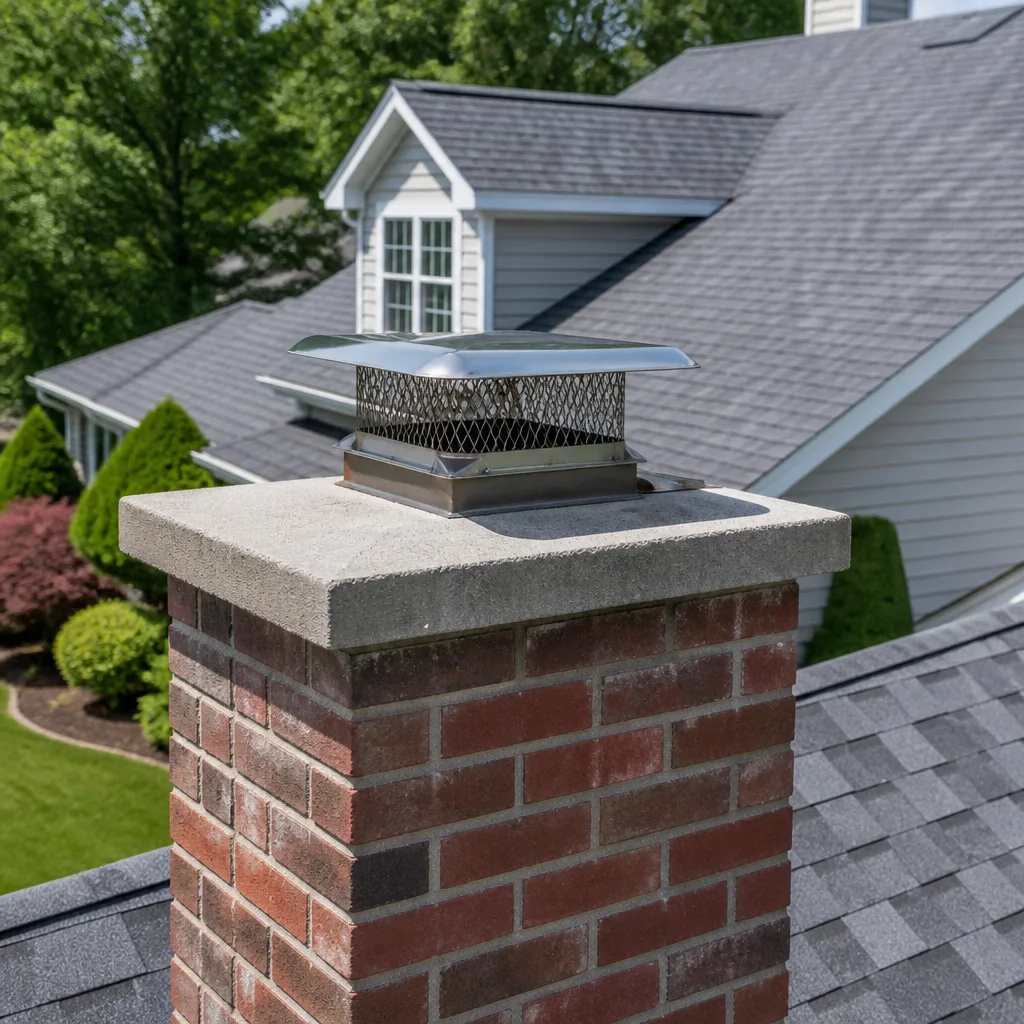 Sweep & inspection
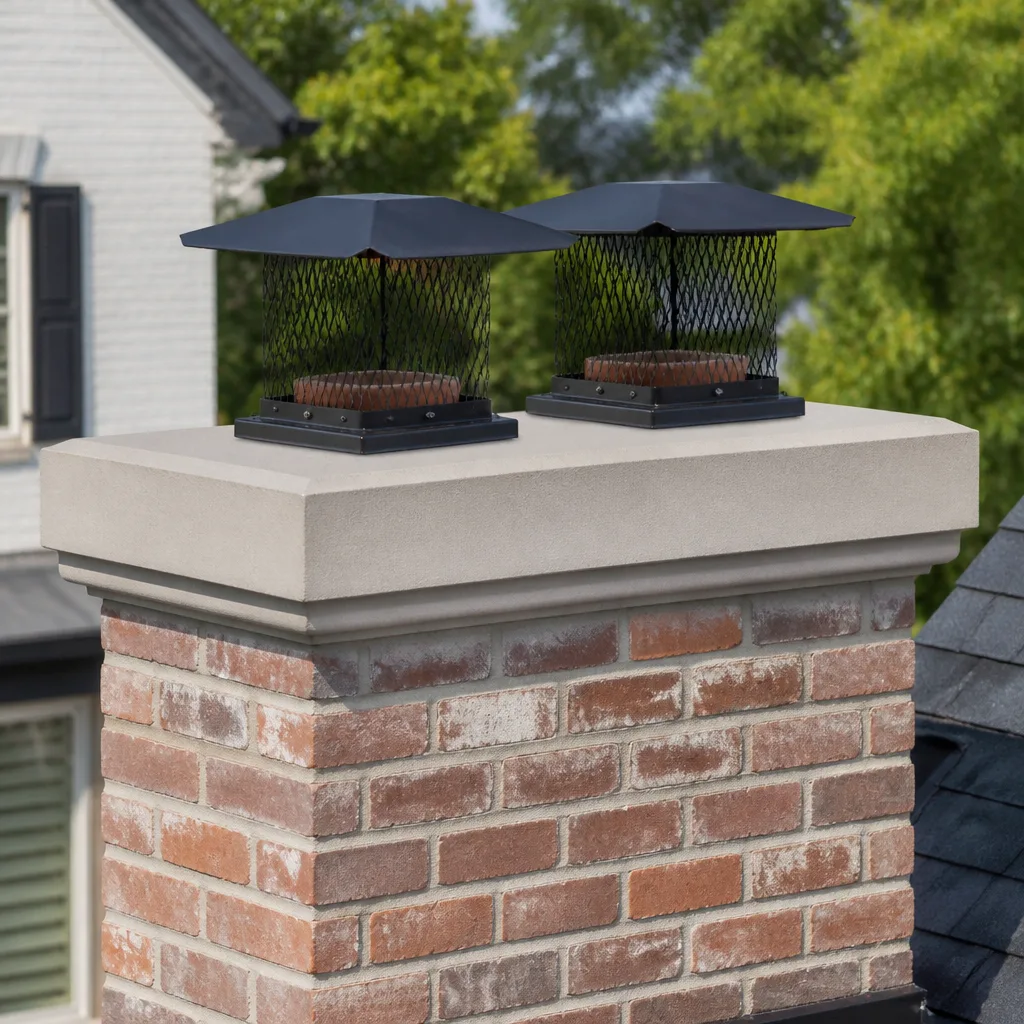 Caps & crowns
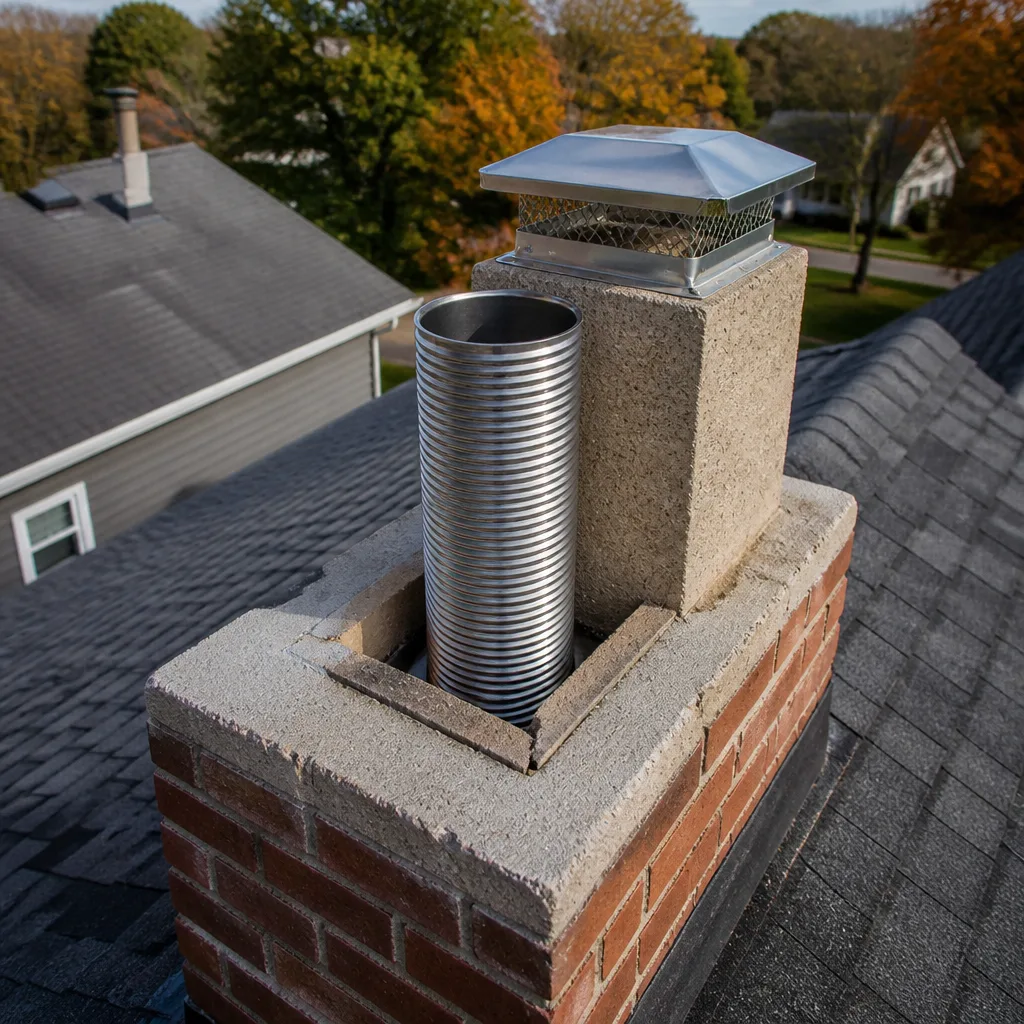 Flue relining
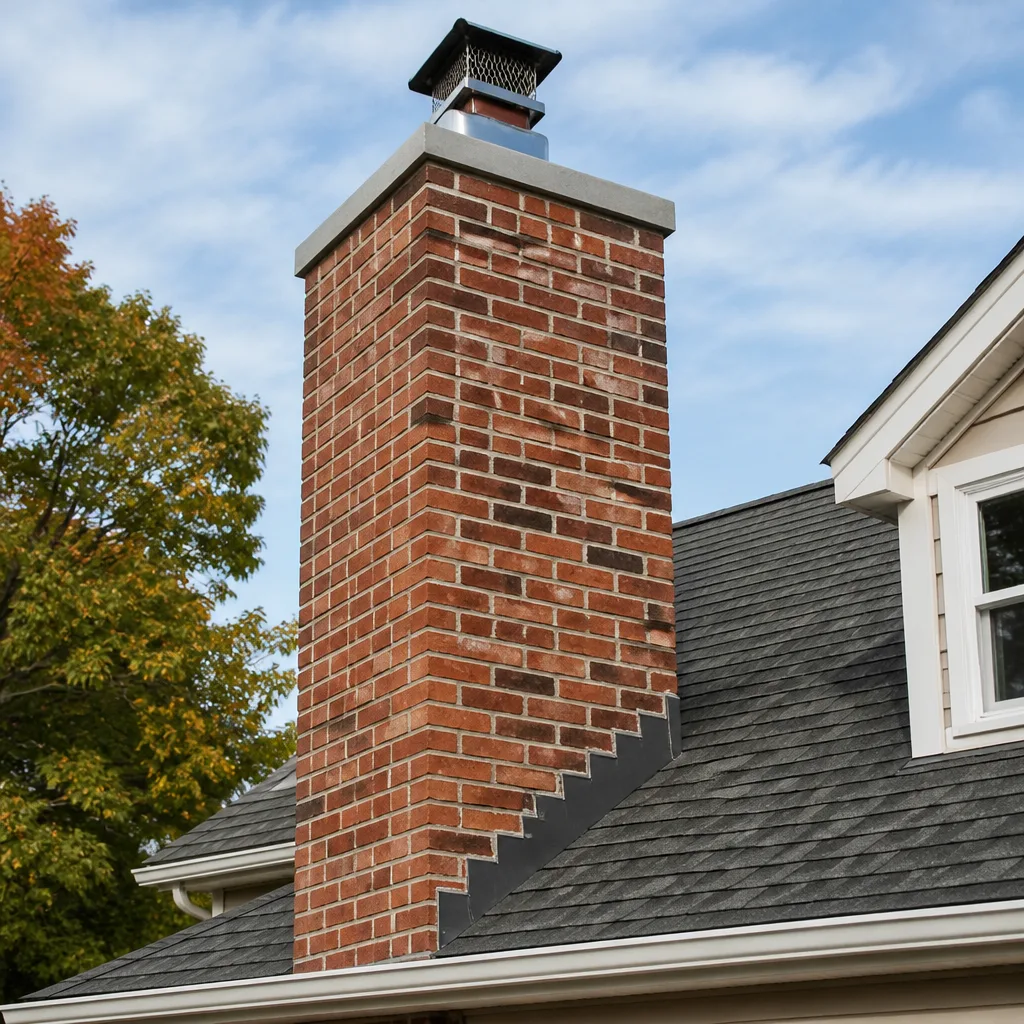 Masonry repair
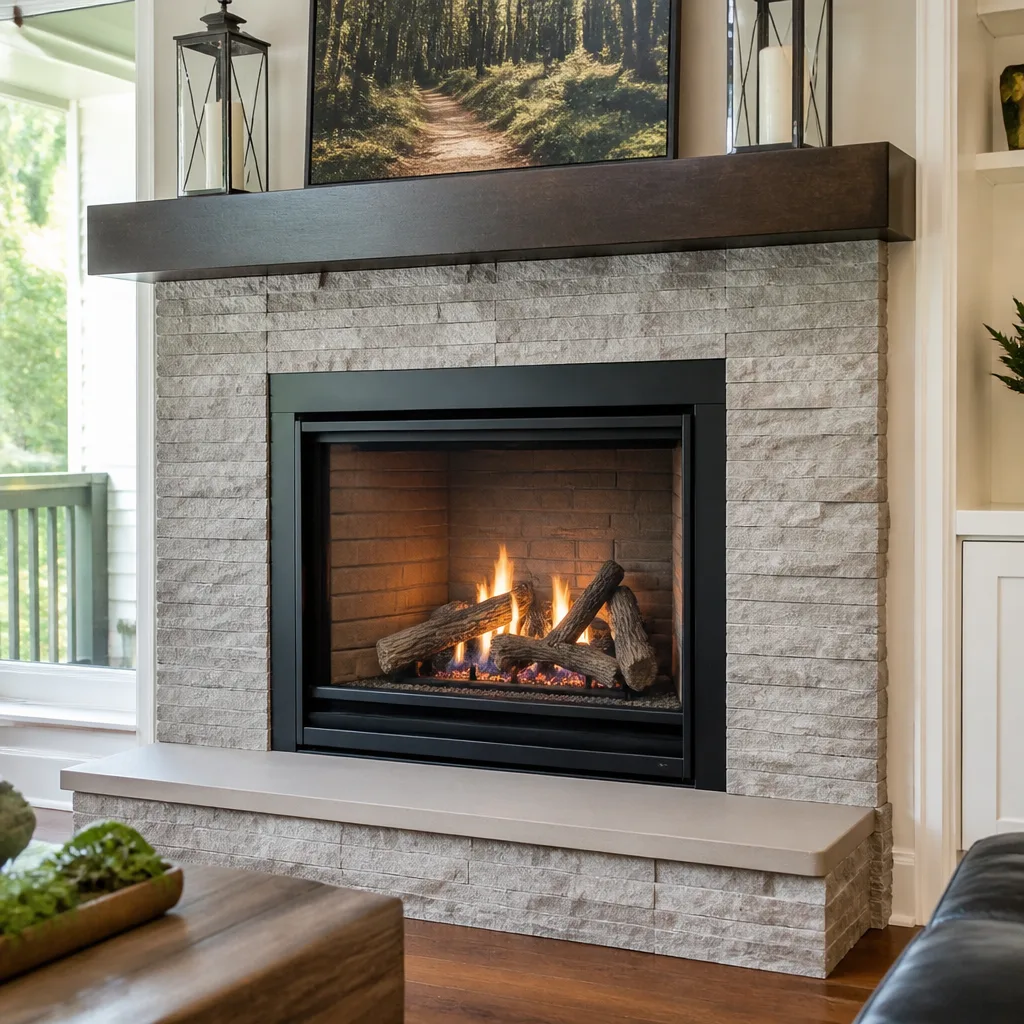 Gas fireplace service
Level 1 sweep and inspection to the NFPA 211 annual standard - flue, crown, cap, and flashing checked and photographed
Chimney sweep logs do not sweep chimneys. They loosen some creosote - which then falls where a brush and vacuum still have to collect it.
DIY vs Professional Chimney Cleaning: The South Boston Homeowner’s Decision Guide
You can buy the same brushes a professional uses. The fiberglass rods, the poly bristles, the drop cloths – all of it is available at a hardware store or online for less than what a lot of people expect. What you can’t buy at any price is the ability to see a Stage 2 creosote glaze hardening on the flue wall, a hairline crack in a terra cotta liner tile, or a smoke shelf that’s been quietly deteriorating behind the damper. All three look perfectly fine from the firebox opening. This guide walks through what DIY chimney brushing genuinely accomplishes, where its ceiling sits, and how to decide which path makes sense for the chimney attached to your South Boston home.
Quick Answer
DIY chimney brushing can remove light, loose soot and ash from an accessible flue, and that’s the honest extent of it. It cannot safely address glazed creosote, it cannot inspect the liner for cracks, and it doesn’t produce a documented record that matters if a fire or carbon monoxide incident follows. For a chimney with any history of heavy use, prior damage, or a gas appliance venting into it, professional cleaning and inspection is the appropriate call.
Styles & brands we work with
- Sweep & inspection
- Caps & crowns
- Flue relining
- Masonry repair
- Gas fireplace service
Table of Contents
- What DIY Chimney Brushing Actually Accomplishes
- The Tools a Real DIY Attempt Requires
- What Professionals See That You Can’t
- Understanding Creosote Stages and Why They Matter
- South Boston Scenarios Where DIY Is Least Appropriate
- Insurance and Liability When You Self-Certify
- A Sensible Hybrid: DIY Between, Professional Annually
- A Decision Framework You Can Actually Use
What DIY Chimney Brushing Actually Accomplishes
A homeowner with a proper brush and rods can knock loose soot off the flue walls of a straight, accessible chimney. That’s real work, and it does reduce the volume of combustible material sitting inside the flue. If your chimney was swept recently and you’ve burned a cord or two of seasoned wood since, a light DIY brushing can remove the fresh layer that’s built up.
Here’s what it doesn’t do:
- It doesn’t remove glazed creosote. Stage 3 creosote is a hardened, tar-like deposit that bonds to the flue wall. A poly brush slides over it. Removing it requires chemical treatment or mechanical rotary cleaning done by someone who knows how to do it without damaging the liner.
- It doesn’t inspect anything. Brushing is not inspection. You can run a brush the full length of a flue and never once look at the liner with a camera or a trained eye.
- It doesn’t clean the smoke chamber or the smoke shelf. These are the angled surfaces above the damper where creosote accumulates in ways most homeowners never see. They need specific tools and a working angle most flues don’t allow from the top or bottom.
- It doesn’t address the firebox, damper, or cap. A clean flue with a rusted damper and a missing cap is still a chimney with problems.
- It doesn’t produce a record. If something goes wrong later, you have no documentation of what condition the chimney was in when you last touched it.
That’s the ceiling. It’s not zero – light maintenance has value – but it’s lower than most DIY guides suggest, and it’s far lower than what a professional cleaning actually delivers in a South Boston home with a wood-burning fireplace that sees regular winter use.
The Tools a Real DIY Attempt Requires
Most homeowners who decide to try DIY buy a cheap poly brush, a set of flexible rods, and a shop vac. That kit costs less than a professional sweep, which is the appeal. What most of them don’t realize is that this kit addresses roughly one third of what a chimney cleaning involves, and it can be actively counterproductive if used on the wrong chimney.
A legitimate DIY tool list looks more like this:
- Correctly sized brush for your flue. Too small and it doesn’t touch the walls. Too large and you can crack terra cotta tile or damage a stainless liner. Flue dimensions on older South Boston homes vary more than most people assume.
- Fiberglass or poly rods, not the cheap flexible ones. Cheap rods snap inside a flue and create a whole new problem.
- A rotary whip or drill attachment for glazed deposits. Standard brushes don’t cut glaze. A rotary tool does, but only if you know how to use it without gouging the liner.
- HEPA-rated vacuum with proper filtration. Soot is fine, and it travels. A shop vac without HEPA filtration pushes it through your home.
- Drop cloths, respirator, safety glasses, gloves. Non-negotiable. Soot exposure is a real respiratory concern.
- A ladder rated for roof access, plus a roof safety plan. Many chimneys are swept from the top. Roof work is where most DIY chimney injuries happen.
- A camera or strong flashlight for post-sweep inspection. You need to see what you just did, and from what angle.
The gap between the kit most people buy and the kit they’d actually need is the entire reason the DIY-vs-professional calculation usually tilts one direction. If you’re going to do it right, the cost delta narrows fast. If you’re going to do it halfway, you’re not getting what you think you’re getting.
What Professionals See That You Can’t
When we sweep a chimney in South Boston, the brushing is a portion of the job. The larger portion is what we find while we’re in there and what we document for the homeowner. A trained technician with a camera and a scope sees a completely different structure than a homeowner with a flashlight peering up from the firebox.
Three categories of finding are structurally invisible without professional equipment:
- Hairline cracks in terra cotta liner tiles. These don’t look like cracks from the firebox. They look like the liner. A scope shows them; the naked eye usually doesn’t. Cracks in the liner are how heat reaches combustible framing, and they’re a common reason a chimney that “looks fine” fails inspection.
- Stage 2 and Stage 3 creosote deposits. Glazed creosote is a different color, texture, and thickness than the soot you can see. From below, it can blend in. Touching it tells you nothing without a trained comparison.
- Deteriorating smoke shelves and dampers. These surfaces sit above the firebox, and damage there doesn’t announce itself. It shows up as a smoky fire, or a draft that never quite behaves, or a cold smell in the room. The cause is visible to a technician and invisible to a homeowner looking up.
We show you what we find. If a chimney needs HeatShield resurfacing to address deteriorated mortar joints inside the flue, you see the reason before we recommend it. If it doesn’t, you hear that too, and a standalone chimney inspection is a service we offer on its own – not as a bridge to a bigger sale.
You can get a professional-grade sweep scheduled through chimney sweep service, and the scope of what that visit covers is the point. It’s not just brushing.
Understanding Creosote Stages and Why They Matter
Creosote is the residue left behind when wood smoke cools inside the flue. It’s the fuel that makes chimney fires possible, and it comes in three stages that behave very differently.
Stage 1 creosote is light, flaky, and soot-like. A brush removes it. This is the stage where DIY brushing has its strongest case.
Stage 2 creosote is a hardened, crusty deposit that clings to the flue wall. A standard brush skims the surface. Removing it takes a rotary tool or chemical treatment. This is where DIY attempts most commonly fall short of what the homeowner thinks they accomplished.
Stage 3 creosote is a glazed, tar-like coating that bonds to the liner like varnish. It’s the most combustible form, and it can ignite at lower temperatures than the other two. A brush doesn’t touch it. This is the deposit most likely to cause a chimney fire, and it’s the one a homeowner is least equipped to identify visually.
In our experience, the homes we service in South Boston with heavy winter burn rates and older, less efficient fireplaces are the ones most likely to develop Stage 2 or Stage 3 deposits between cleanings. That’s not a knock on the homeowner’s habits. It’s the nature of a wood fire in an older masonry flue. The best defense against creosote buildup is a proper sweep at the right interval, not a brush that skates past the glaze and tells you it’s clean.
South Boston Scenarios Where DIY Is Least Appropriate
Some chimneys are genuinely compatible with light, careful DIY brushing. Others are not, and the difference is usually about the house, not the homeowner’s skill level. Here are the South Boston scenarios where we’d advise calling a professional without hesitation.
Older South Boston Homes with Unlined or Original Liners
A lot of the older housing stock in South Boston was built with flues that were not designed to the same standard as modern ones, and many have terra cotta liners that have been exposed to decades of heating cycles. A brush in the hands of someone who doesn’t know how to load and unload it in a narrow flue can crack tile. On a chimney that’s already marginal, that’s a repair that starts at the liner – and a DuraFlex liner system is not a small project. A professional sweep sees the liner before brushing decides whether the flue can take a standard brush or needs a gentler approach.
Gas Appliances Vented into the Chimney
A gas water heater, furnace, or boiler venting into a chimney produces acidic condensate that degrades mortar and terra cotta. This is not the kind of condition a homeowner can assess, and the risks are different from a wood fire. Carbon monoxide is the concern here, not creosote, and a chimney that passes a visual check but has deteriorated mortar joints can be leaking exhaust into the house. A gas vented into a chimney needs a professional inspection, not a DIY brush.
Signs of Previous Liner Damage
If you’ve seen cracks in the firebox brick, a rusted or damaged damper, or broken tile visible from the firebox opening, the liner condition is unknown and needs professional assessment. A brush down an already-compromised flue makes the problem worse. That’s an inspection call, not a cleaning call.
Any Chimney That Has Had a Chimney Fire
If you suspect there’s been a chimney fire in the past – the signs include cracked external masonry, a puffy “honeycomb” texture to the interior liner, or warped metal components – the chimney needs professional inspection before anything else happens. A brush against heat-damaged terra cotta can open a crack into the framing cavity.
Chimney caps are another category where DIY shortcuts have consequences. A generic hardware-store cover won’t seal to a non-standard flue. That’s why Gelco and Famco custom-fit capabilities matter for us – a cap has to fit the actual opening to keep water and animals out. You can review chimney cap & crown work if that’s where your chimney’s condition is pointing.
Insurance and Liability When You Self-Certify
This is the part of the DIY conversation that rarely gets covered, and it’s the piece with the highest stakes.
Most homeowner insurance policies require reasonable maintenance of the chimney as a condition of coverage for fire damage. The exact language varies by policy, but the pattern is consistent: if a fire is traced to a chimney that hadn’t been cleaned, the insurer can question the claim. If you’ve done the cleaning yourself, you have no documentation of what condition the chimney was in. You have no evidence of what was removed, what was seen, or what was recommended.
A professional sweep produces a record. It may document what was removed, what condition the liner was in, and what was recommended. If a fire happens months later, that record matters in a way that “I cleaned it myself” doesn’t. Same with a carbon monoxide incident traced to a vented gas appliance. The paper trail changes the conversation.
We’re not suggesting every homeowner is at risk. We’re pointing out that self-certifying a chimney as clean, with no inspection and no record, is a decision the homeowner alone bears. If the chimney is older, has a history of heavy use, or has any damage indicators, that’s not a good trade.
A Sensible Hybrid: DIY Between, Professional Annually
There’s a middle path that works well for some South Boston homeowners, and it’s worth naming directly.
If your chimney is a modern, well-maintained masonry or prefab system with a known-clean liner, an annual professional sweep and inspection, plus light DIY brushing in between to remove fresh soot, is a reasonable arrangement. The professional visit is where the structural assessment happens. The DIY brushing between visits is housekeeping. That’s the distinction.
What makes this hybrid work:
- The professional annual sweep establishes the baseline. You know what your liner looks like, what condition it’s in, and what to watch for. Without that baseline, DIY brushing is guesswork.
- The inspect-first model catches changes early. A liner crack that appears between annual visits gets found on the next sweep, before it becomes a firebox repair.
- It only makes sense if your chimney is a known-good system. An old, unlined, or damaged chimney doesn’t fit this model. It needs eyes on it more often, not less.
If you’re going this route, get a proper inspection first. It’s a service offered on its own, and it tells you what your chimney’s baseline actually is. If fireplace repairs are needed on the firebox or damper, wrapping that in the same visit as a professional cleaning is straightforward – you can see the scope of fireplace repair work if your firebox is where the problem is showing up.
A Decision Framework You Can Actually Use
If you’re on the fence, here’s the honest decision tree.
- Is the chimney unlined, older than modern construction standards, or has it ever had a liner repair? If yes, go professional. DIY brushing risks more than it improves.
- Is any gas appliance vented into this chimney? If yes, go professional. The risk profile is carbon monoxide, not creosote, and you need a trained inspector.
- Have you seen damage signs at the firebox – cracked brick, rusted damper, cracked tile? If yes, go professional for a chimney inspection before any cleaning is attempted.
- Do you burn more than a cord of wood per season? If yes, professional cleaning at annual intervals is the standard. DIY brushing between visits is fine, but brushing alone won’t clear what a season of heavy burning deposits.
- Has your chimney been inspected in the last 12 months? If no, that’s the first task, and it’s not a DIY task.
- Is your chimney a modern, well-maintained system with a recent clean inspection? If yes, light DIY brushing between professional annual sweeps is a reasonable option.
- Do you want a documented record of your chimney’s condition for insurance purposes? If yes, only a professional visit produces that.
That’s the honest ordering. Most homeowners land at step 4 or 5 and the answer is the same: professional cleaning is the baseline, and DIY brushing is housekeeping in between.
Common Mistakes to Avoid
- Buying the cheap poly brush kit and assuming it’s sufficient. It addresses loose soot only. Glazed creosote, smoke shelf deposits, and liner inspection all sit outside what that kit can reach.
- Sweeping from the firebox without a proper seal at the damper. Soot fills the room. Every professional setup has a method for containing the dust, and DIY attempts almost never do.
- Using a brush sized wrong for the flue. Too big and you crack terra cotta. Too small and you leave most of the deposit behind. Flue dimensions in older South Boston homes vary, and sizing isn’t as simple as measuring the opening.
- Treating a chimney that’s been through a fire like a routine sweep. If there’s any sign of a past chimney fire, amateur brushing can worsen heat-damaged tile. That’s an inspection call, not a cleaning call.
- Ignoring a gas appliance venting into the chimney. Carbon monoxide risk lives in the mortar joint condition, and that’s invisible to a visual check from the firebox. A gas-vented chimney needs professional inspection regardless of how clean the flue looks.
- Self-certifying with zero documentation. If a fire follows, “I cleaned it” holds far less weight than a written record of what was found and removed.
- Skipping the cap because it “looks fine.” A missing or improperly fitted cap lets water, animals, and debris into the flue. Cap and crown condition is part of the system, and a generic cover won’t fit a non-standard flue – Copperfield and Gelco caps are made for the actual opening, not a one-size option.
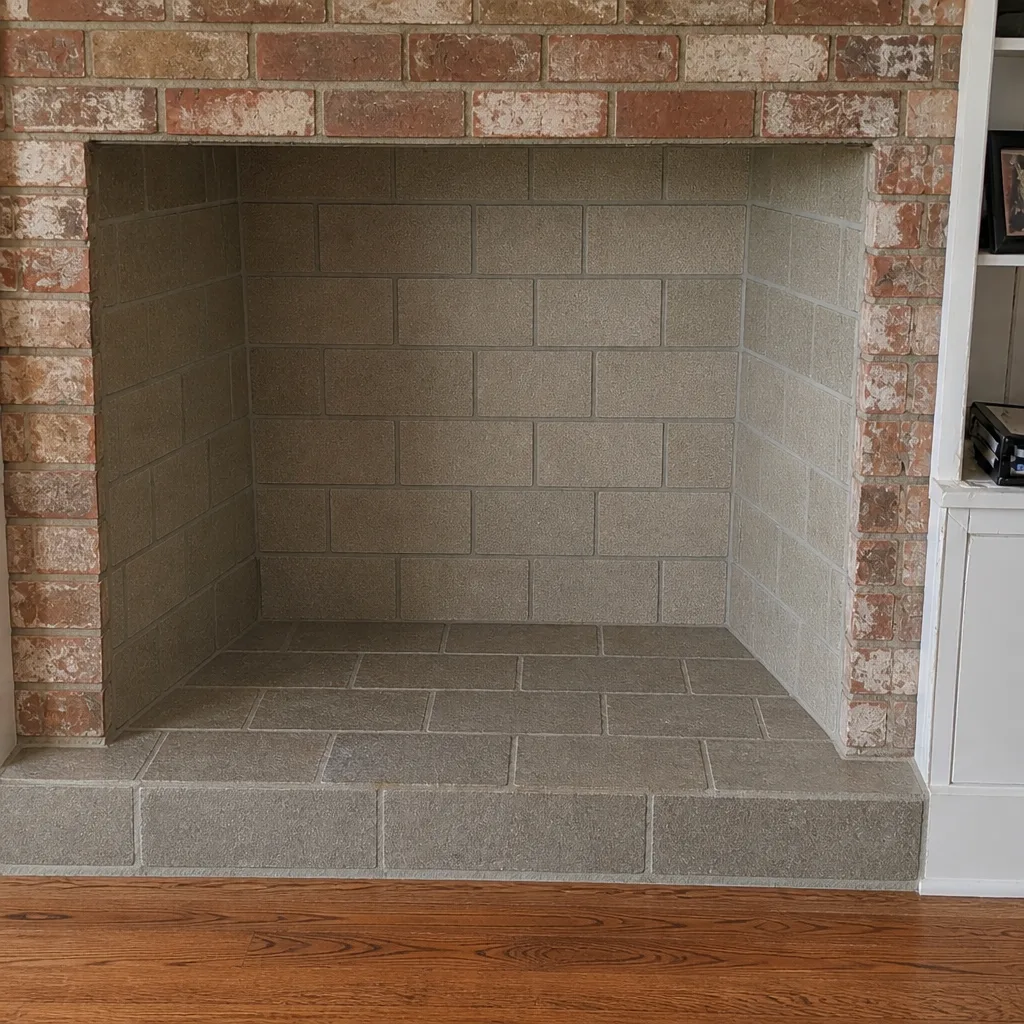
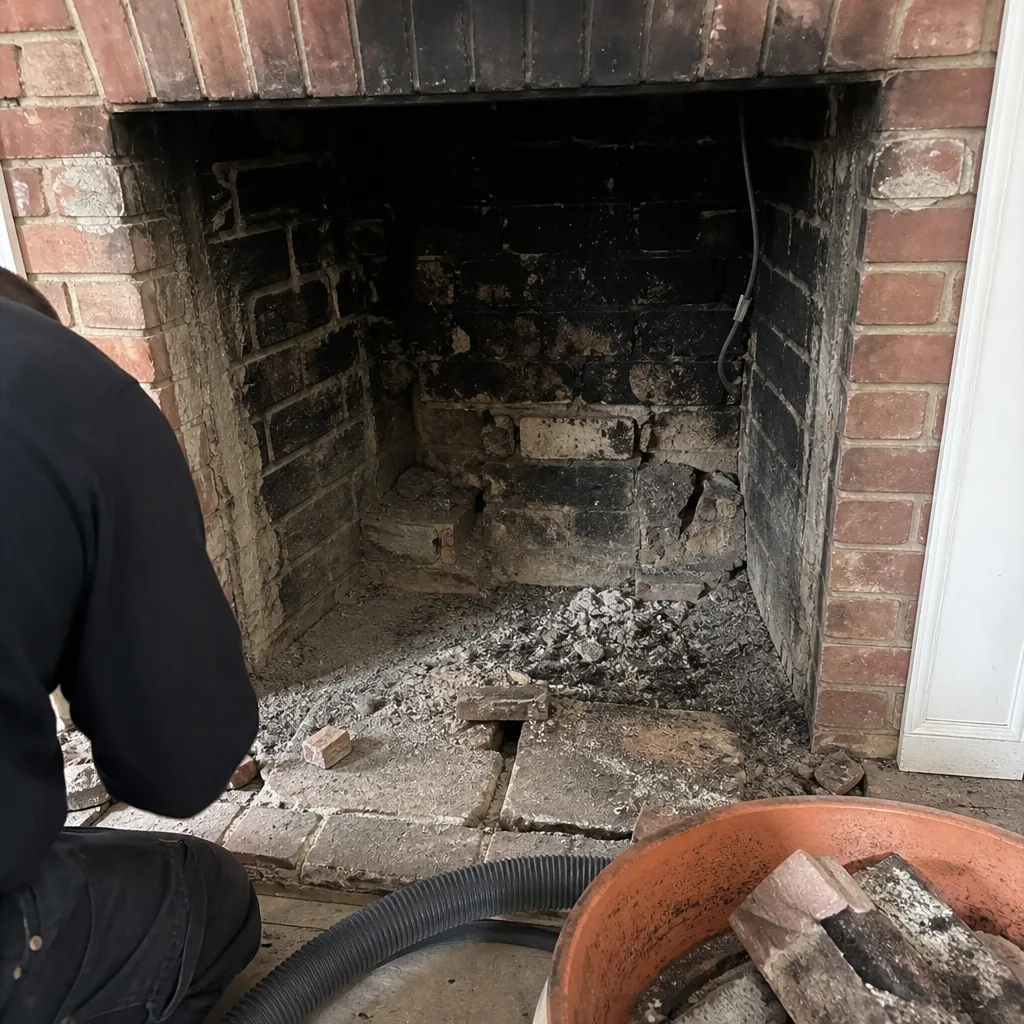
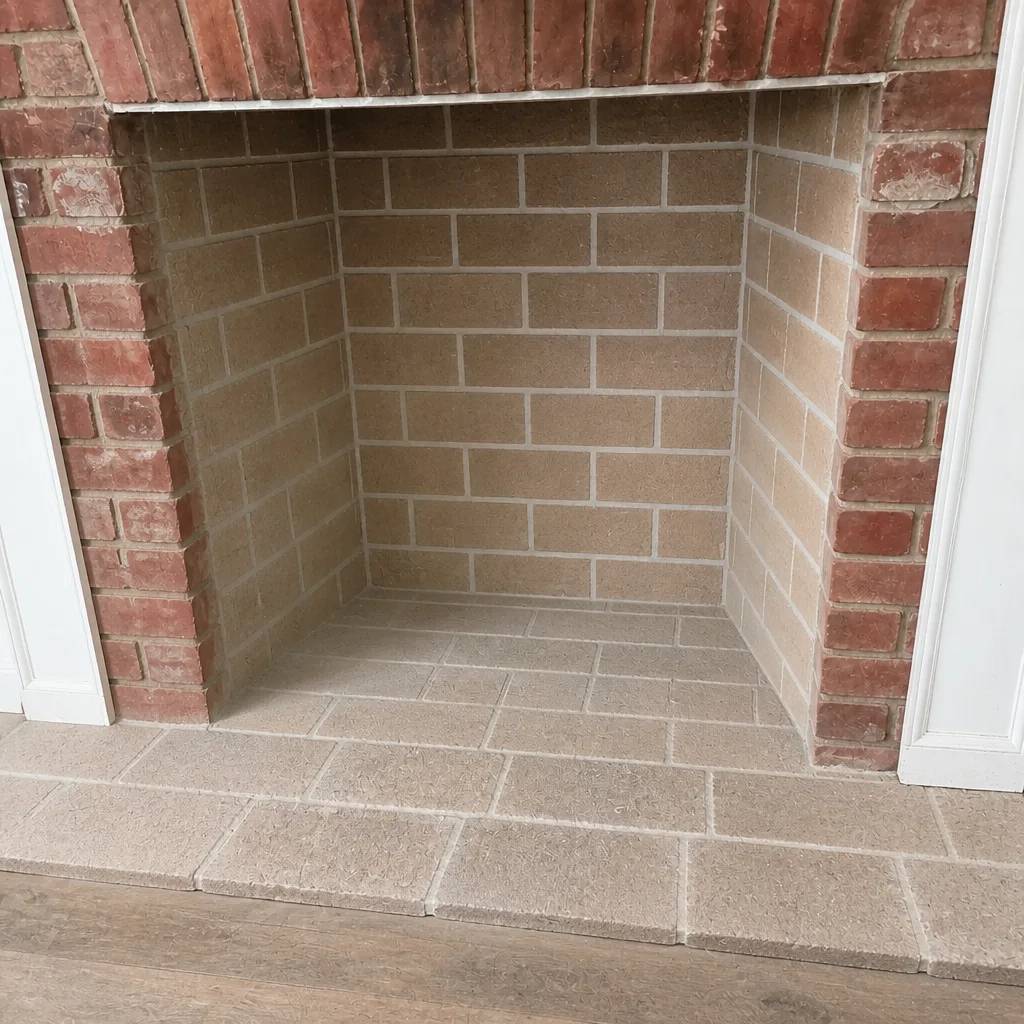
See the difference
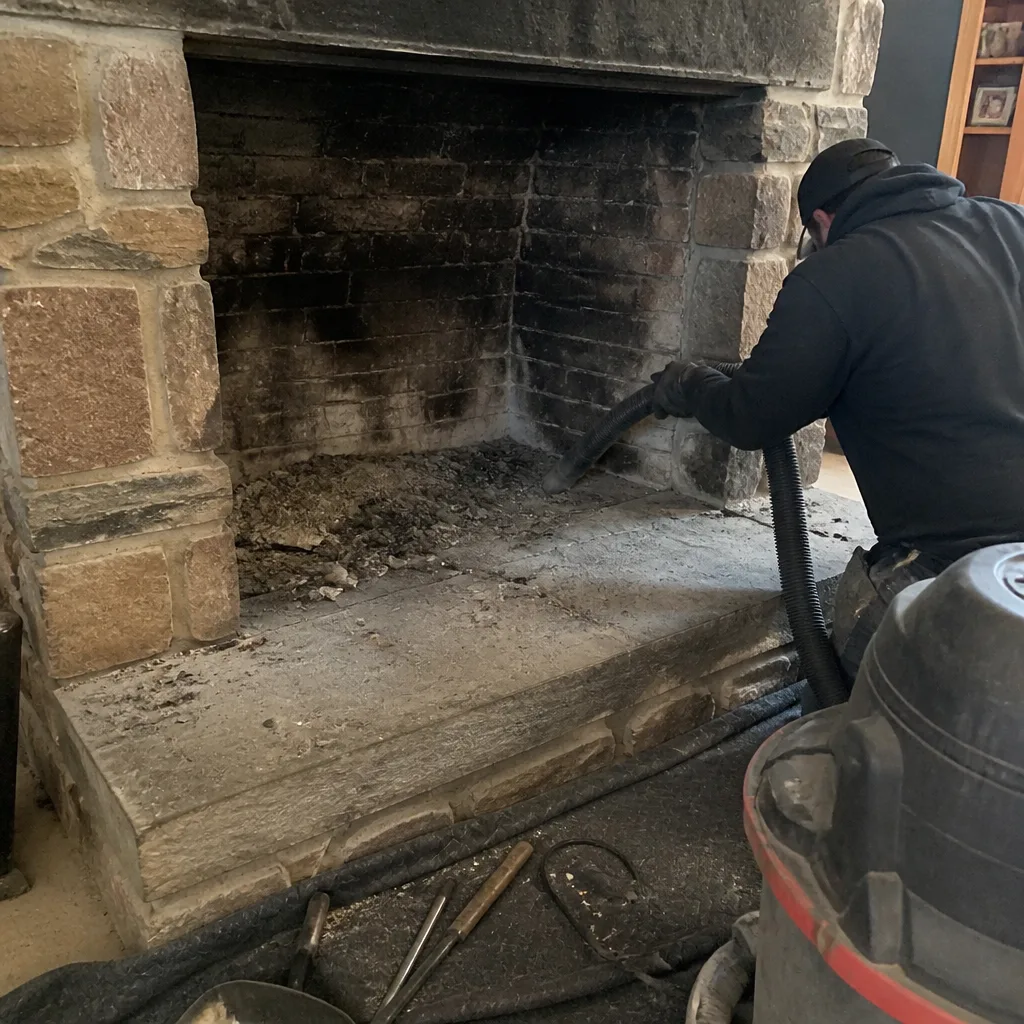 Before
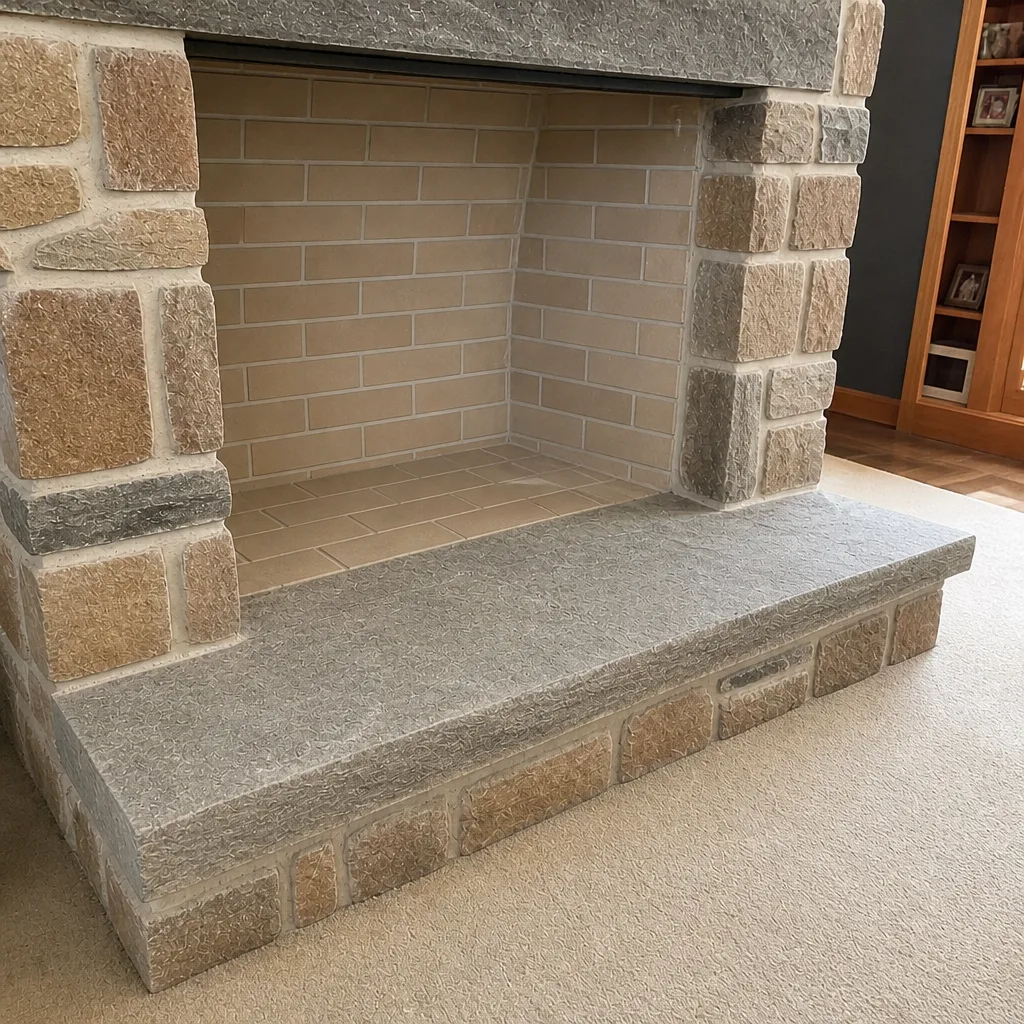 After
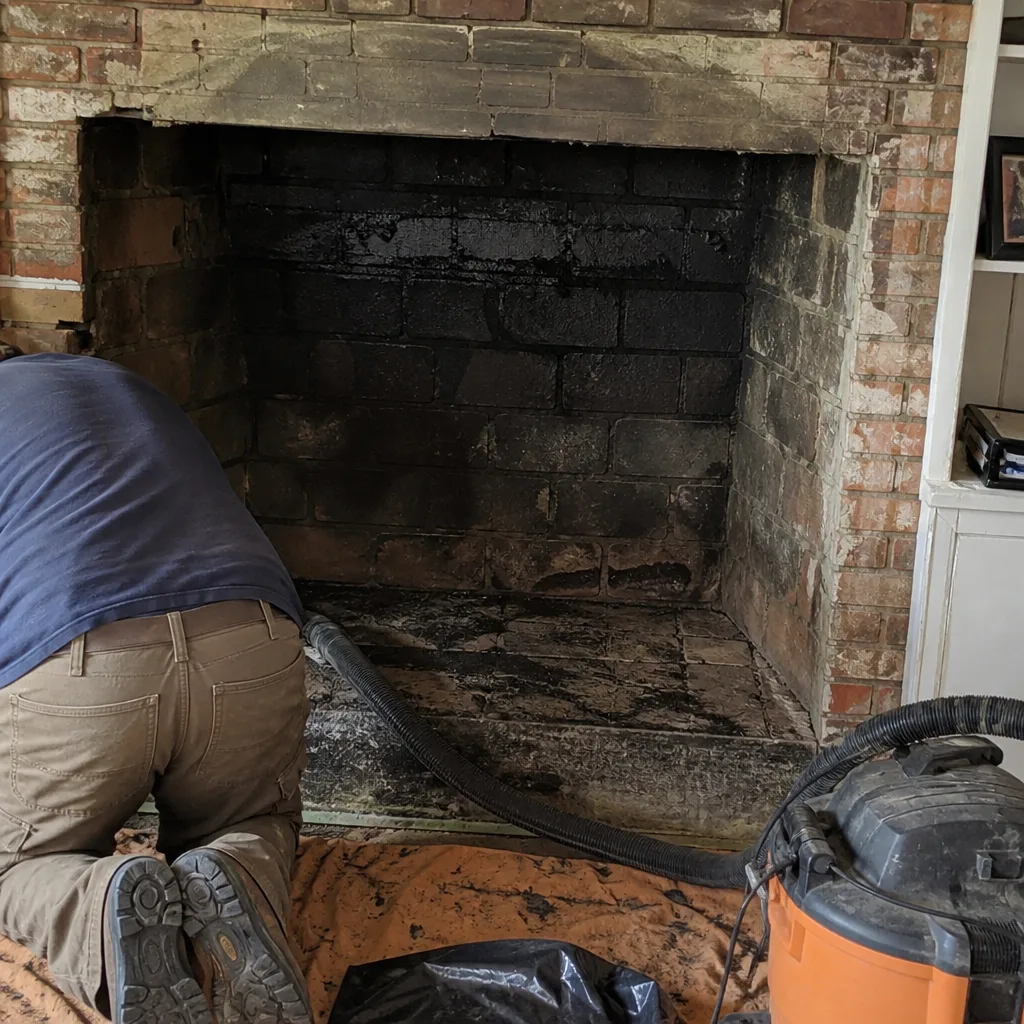 Before
 After
 Before
 After
When to Call a Professional
Call a professional sweep when the chimney has been used for a season without inspection, when it shows any sign of damage from the firebox or outside the house, when a gas appliance vents into it, or when the liner condition is unknown. Also call if the chimney hasn’t been inspected in the last year and you don’t have a documented baseline. These aren’t DIY-appropriate conditions, and treating them like routine sweep work risks the exact problems a professional inspection exists to prevent.
We answer 24/7. Fast dispatch from 7am to 7pm, Sunday through Friday, with Saturday closed. Chimney Sweep South Boston offers free estimates in South Boston – call (855) 550-7472. Estimates are per job and set by the written estimate, so the visit is diagnostic first, quote second.
For the full scope of what our team handles, including chimney repair work that goes beyond a sweep, Chimney Sweep South Boston is the place to start, and our technicians have up to 11 years of experience working on wood-burning systems.
Frequently Asked Questions
A standard chimney sweep in South Boston is priced per job by the written estimate, so the exact figure depends on flue length, access, and what the sweep uncovers. A standalone inspection is typically quoted separately when it’s requested as its own service. Call (855) 550-7472 for an exact quote – estimates are free.
Not necessarily, and we don’t recommend one unless the camera shows a reason. A HeatShield resurfacing can address deteriorated mortar joints inside the flue without a full liner replacement, which is a less invasive option for some chimneys. A DuraFlex liner is the right call when the flue is unlined or the existing liner is beyond resurfacing. You see the evidence before either is recommended, and we say plainly when work can safely wait.
Annual sweeping is the standard for a wood-burning fireplace or insert that sees regular winter use. If you burn more heavily or the fireplace is older and less efficient, an annual sweep plus a professional inspection at the same interval is the safer track. Between visits, light DIY brushing for fresh soot is fine on a known-good system. Call (855) 550-7472 for an exact quote – estimates are free.
Creosote builds up, and Stage 2 or Stage 3 deposits become a real fire risk because they can ignite at lower temperatures than loose soot. A carbon monoxide risk exists too if a gas appliance vents into the chimney and mortar joints have deteriorated. Skipping a cleaning doesn’t create an immediate emergency, but it lets conditions get worse invisibly. Call (855) 550-7472 for an exact quote – estimates are free.
Yes, on a modern, well-maintained system with a clean recent inspection, light DIY brushing between professional annual sweeps is reasonable. The limits are firm: a brush doesn’t remove glazed creosote, doesn’t inspect the liner, and doesn’t produce a documented record. If your chimney is older, unlined, or has any damage indicators, professional cleaning and inspection is the right call.
Yes. Chimney inspection is offered as its own service, not a sales funnel for a sweep or repair. We show you what we find, including camera evidence, and if the chimney is fine, you’ll hear that plainly. Nothing is recommended without evidence you can see for yourself, and we’ll tell you when work can wait. Call (855) 550-7472 for an exact quote – estimates are free.
The Bottom Line
DIY chimney brushing is a real option, but only at the margin. It removes loose soot on an accessible flue, and that’s the ceiling. It cannot touch glazed creosote, cannot inspect the liner, cannot assess the smoke shelf, and cannot produce the documented record that matters if a fire or CO incident follows. In South Boston, the older housing stock and the frequency of gas venting into chimneys push the calculation firmly toward professional evaluation for any chimney whose condition is unknown. Get a professional inspection first. If the chimney comes back clean and well-maintained, light brushing between annual sweeps is a reasonable arrangement. If it doesn’t, you’ll know what you’re actually working with – and you’ll have the record to prove it.
Our team works with DuraFlex, HeatShield, Gelco, Olympia Chimney, Famco, and Copperfield across the full chimney system, and the right material for the repair depends on what we find. Call (855) 550-7472 for a free estimate. We answer 24/7. Fast dispatch from 7am to 7pm, Sunday through Friday.
Written by the team at Chimney Sweep South Boston.