
Last updated November 25, 2026
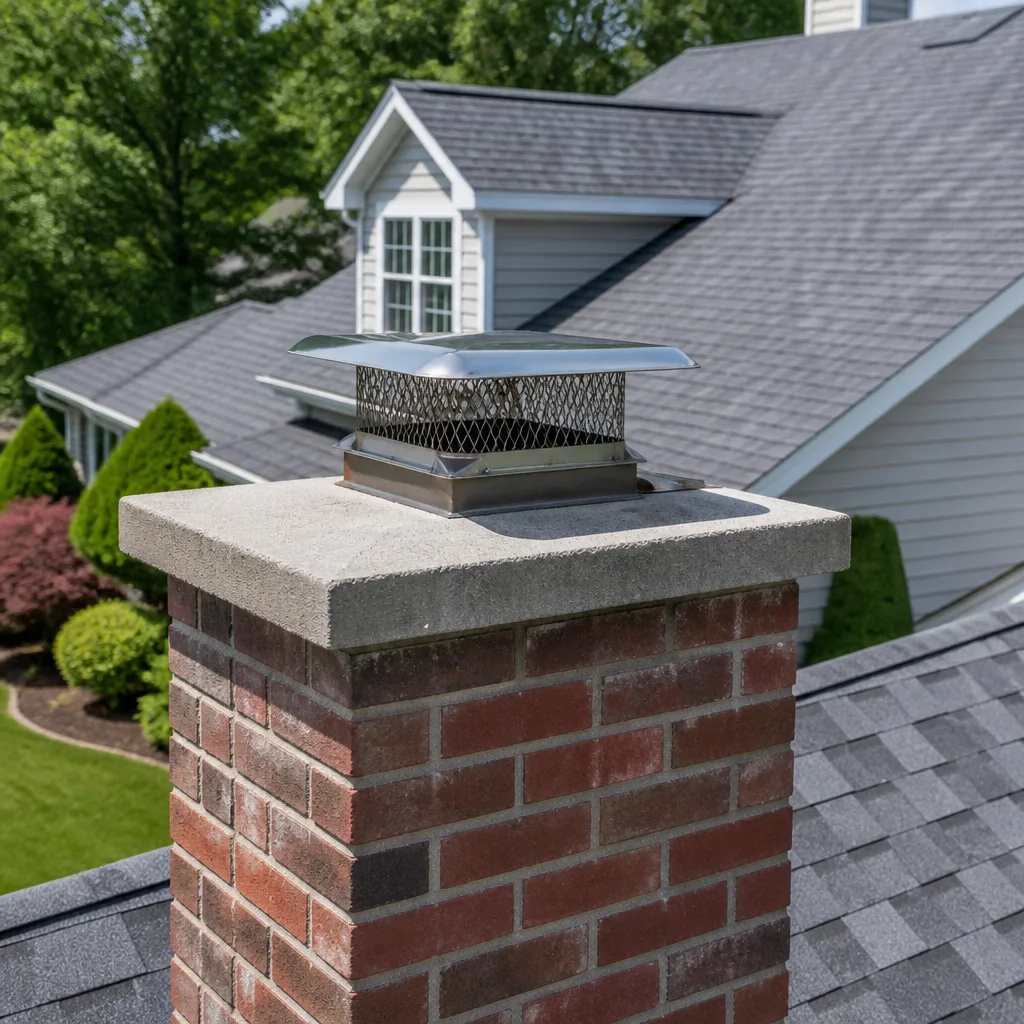 Sweep & inspection
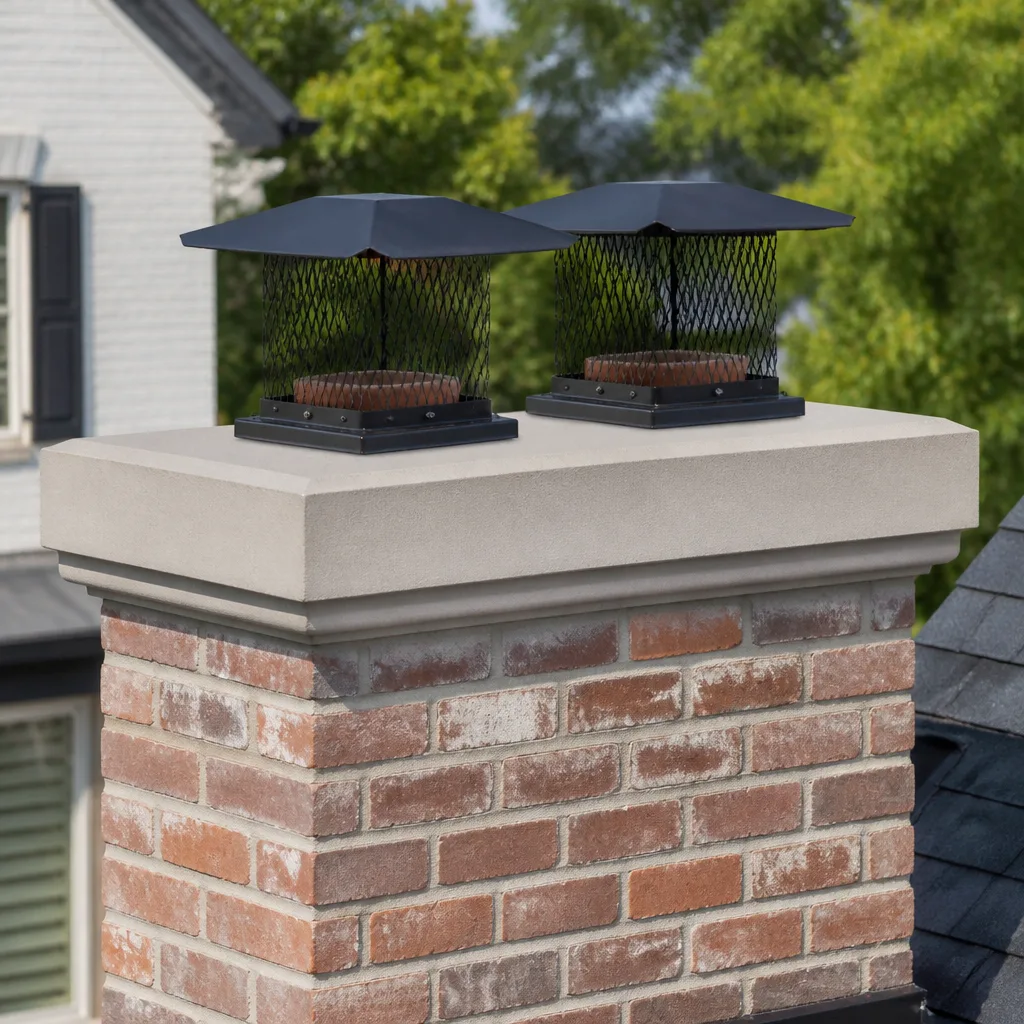 Caps & crowns
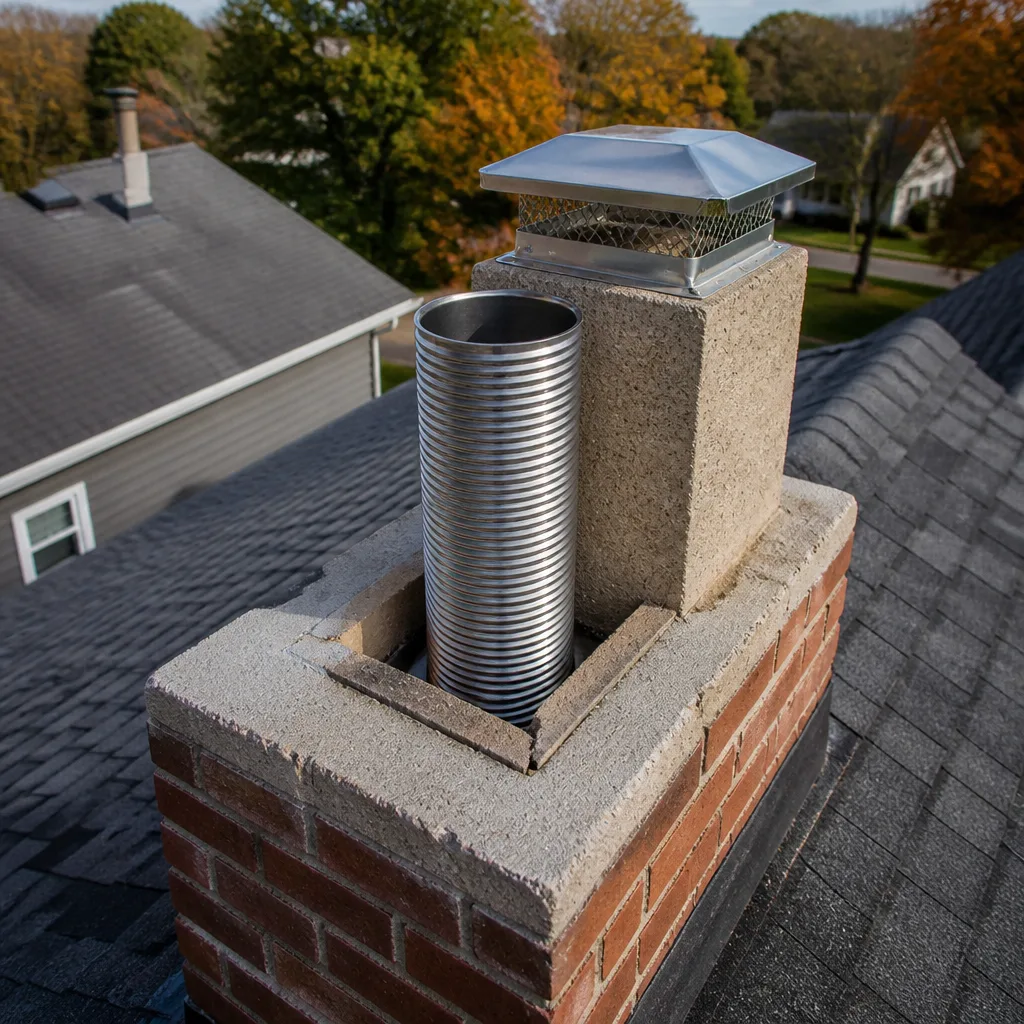 Flue relining
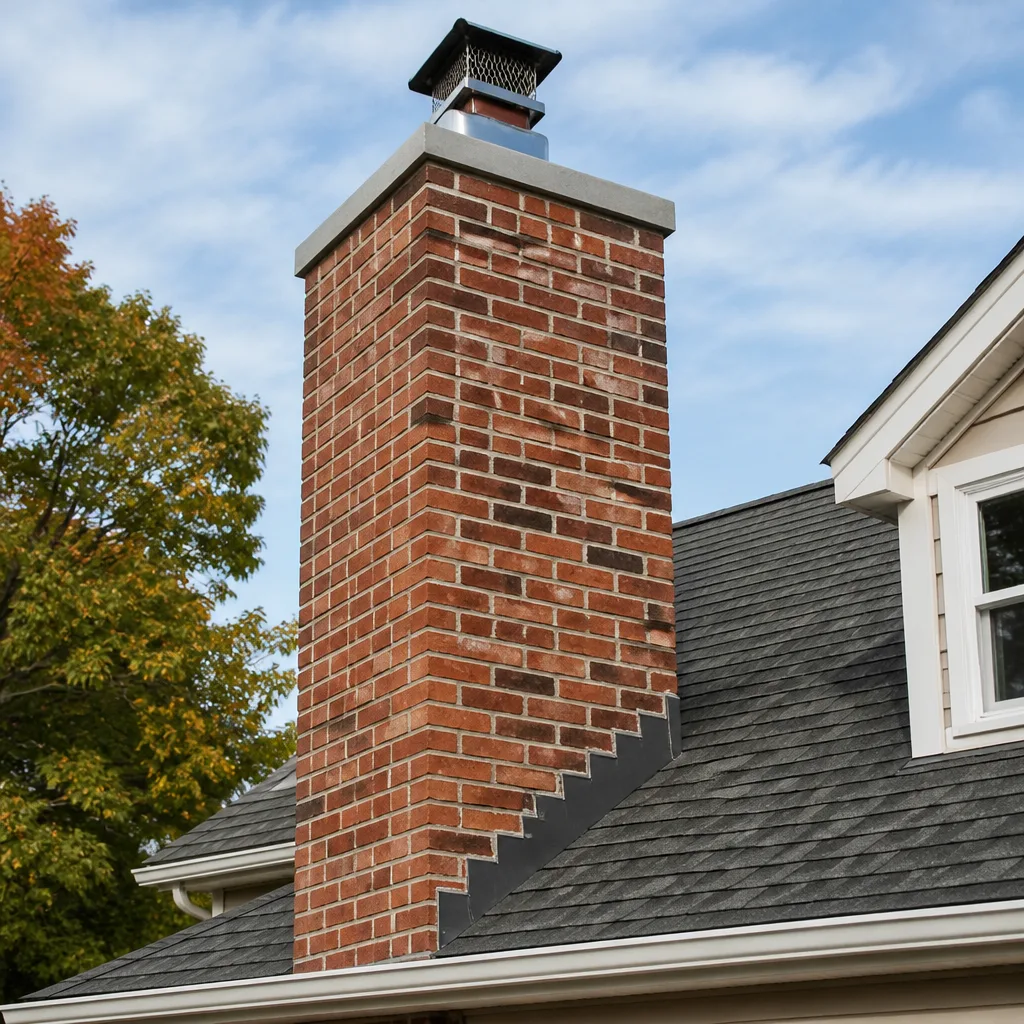 Masonry repair
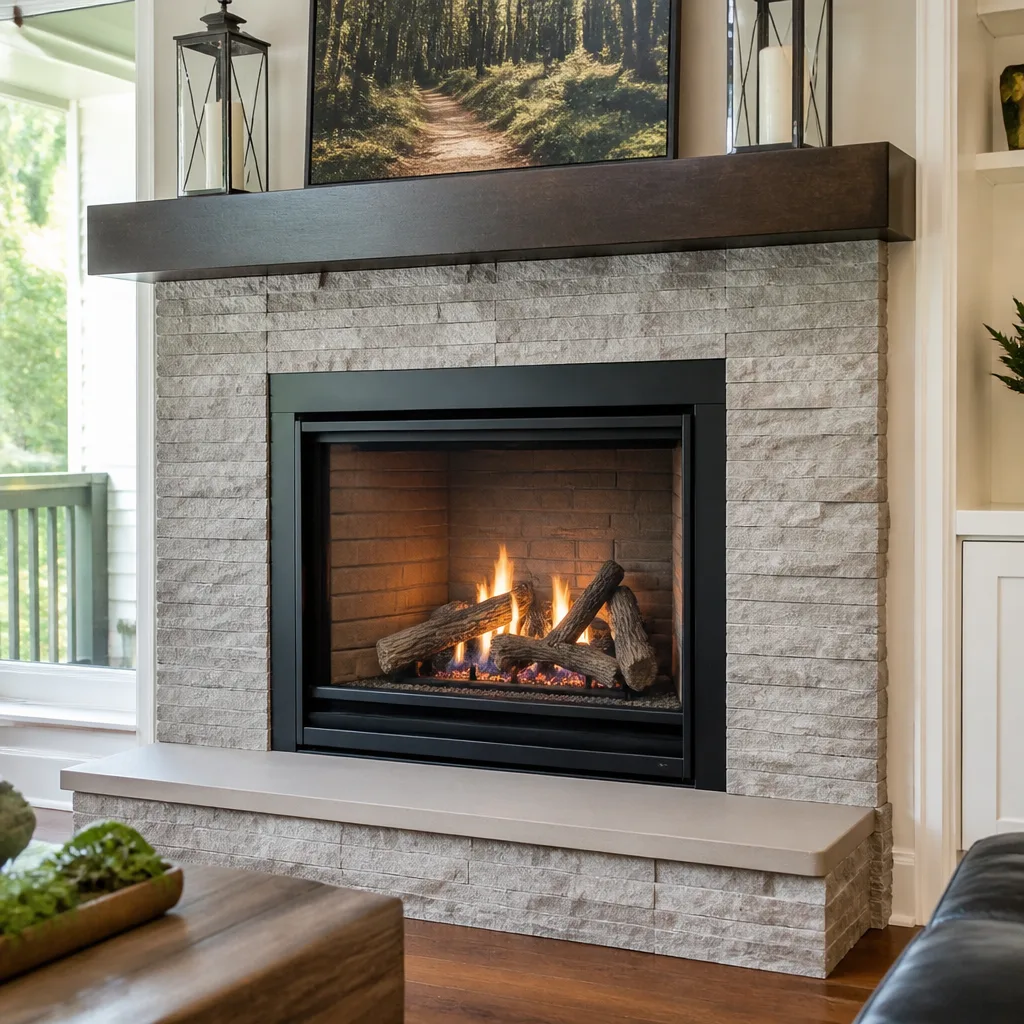 Gas fireplace service
Level 1 sweep and inspection to the NFPA 211 annual standard - flue, crown, cap, and flashing checked and photographed
Chimney sweep logs do not sweep chimneys. They loosen some creosote - which then falls where a brush and vacuum still have to collect it.
Seasonal Chimney Cleaning Care for South Boston: Year-Round Homeowner’s Guide
Most chimney advice you’ll read tells you to book a sweep in fall, right before the first fire. That advice isn’t wrong, but it’s incomplete. The months when your fireplace sits cold and unused are the months when the real damage happens. In South Boston, a flue that goes dark in spring collects moisture through humid summers and freeze-thaw winters, and moisture is what quietly breaks down mortar, crowns, and liners long before you ever strike a match. This guide walks you through all four seasons of chimney care, from the spring inspection that catches off-season damage to the summer booking that gets you ahead of the fall rush. By the end, you’ll know exactly what to check, when to act, and when to call a specialist.
Quick Answer
Chimney care in South Boston runs on a four-season rhythm: inspect in spring after the heating season ends, schedule your cleaning and any repair work in summer before the fall backlog, run a pre-season check in fall before the first fire, and watch for mid-season warning signs in winter. The annual sweep is only part of it, because moisture, animals, and freeze-thaw cycles damage chimneys between seasons, not just during use. Year-round attention to the cap, crown, and liner is what keeps a masonry chimney safe for the long haul.
Styles & brands we work with
- Sweep & inspection
- Caps & crowns
- Flue relining
- Masonry repair
- Gas fireplace service
Table of Contents
- Why Seasonal Chimney Care Matters in South Boston
- Spring: Post-Heating Season Inspection and Moisture Control
- Summer: The Smart Time to Book Your Fall Cleaning
- Fall: The Pre-Season Checklist Before the First Fire
- Winter: Mid-Season Warning Signs to Watch
- How South Boston’s Harbor Location Affects Masonry
- Common Mistakes to Avoid
- When to Call a Professional
Why Seasonal Chimney Care Matters in South Boston
A chimney is exposed to the weather on all four sides, every day of the year, whether or not you’re burning wood. That’s the part most homeowners miss. The bricks and mortar don’t take a break when the fireplace is idle. If anything, an unused flue is more vulnerable, because there’s no warm, dry airflow moving through it to push moisture back out.
In South Boston, the seasonal swing is real. Winters bring repeated freezes and thaws. Summers run humid. Those two patterns work on a chimney in opposite ways and both cause harm. Freeze-thaw cycles push water into hairline cracks in the mortar and crown, then expand it when temperatures drop, widening the cracks a little more each time. Humid summers leave a cold, damp flue sitting with nowhere for moisture to go. Over a few seasons, that moisture breaks down mortar joints inside the liner and softens the crown at the top.
Then there’s what accumulates during use. Every fire deposits creosote on the flue walls, and creosote is what fuels a chimney fire. It builds up whether you burn hot fires or smoldering ones, and it doesn’t care what month it is. The annual cleaning removes it, but the timing of that cleaning matters less than people think. What matters more is the inspection that goes with it, and whether you catch small problems before they turn into structural ones.
Think of chimney care the way you think of your roof or your gutters: it’s a season-by-season relationship, not a single annual appointment. Here’s what each season asks of you.
Spring: Post-Heating Season Inspection and Moisture Control
Spring is when South Boston chimneys take their worst beating, and it isn’t from fire. It’s from moisture sitting in a flue that’s gone cold and unused for months. The heating season ends, the damper closes, and a damp, dark chamber sits there through whatever the weather throws at it. What you do in spring sets up how the chimney handles the rest of the year.
The first job is a proper look at the system now that it’s had a full winter of use behind it. A spring inspection catches the things a fall sweep won’t: the condition of the crown after freeze-thaw, rust or looseness on the cap, and whether animals have moved in over the winter. Our chimney sweep and inspection visit is designed for exactly this window. We show you what we find on camera, so you’re not guessing about the state of your liner or crown.
Here’s a spring task list you can handle yourself, followed by what should go to a specialist:
- Check the cap from the ground. Look for a missing or damaged screen, a cap that’s visibly tilted, or birds gathering around it. A missing cap is an open door for animals, rain, and debris.
- Look at the crown. If you can see it safely from the ground or a window, check for cracks or a surface that looks eroded or crumbling. A cracked crown lets water straight into the masonry below.
- Smell the firebox on a damp day. A strong musty or smoky smell coming from an unused fireplace often points to moisture or a downdraft. That’s worth a closer look.
- Check the damper. Open and close it by hand to confirm it moves freely and seals. A damper stuck open lets conditioned air and moisture travel up the flue all summer.
- Book a professional inspection if anything above looks off, or if it’s simply been a season or more since anyone looked at the flue.
Animal screening deserves its own mention. South Boston chimneys are attractive real estate for birds and squirrels in spring, and a nest in the flue is a fire hazard and a blockage. A proper cap with intact screening stops this before it starts. If your cap is generic hardware-store hardware, a custom-fit cap from Gelco or Famco gives you a tighter, more weather-resistant fit. That’s spring work worth doing once and doing right.
And here’s the honest part: if the inspector finds a small crack in the crown or a single soft mortar joint, that’s often repairable without a major job. Spring is when that kind of small fix is cheap and quick. Wait another season and it’s a bigger conversation.
Summer: The Smart Time to Book Your Fall Cleaning
Summer is the quiet season for chimneys, which is exactly why it’s the right time to schedule. The fall backlog in South Boston is real. Everyone remembers the chimney in October, the first cold snap hits, and appointments fill up. Book in July or August and you get your cleaning and any needed repair done on your schedule, not squeezed into a two-week panic before the first fire.
Summer also catches things a fall inspection can miss. By late summer, a chimney has been through humidity, rain, and the full growing season. A summer inspection finds issues that only show up when the flue has been cold and damp for a stretch: water staining on the firebox walls, efflorescence (the white powdery crust that signals moisture moving through masonry), and a crown or cap that’s been degraded by months of weather. A fall inspection tends to focus on creosote and readiness. A summer inspection looks at the structure and asks what the off-season did to it.
If your liner is showing its age, summer is also when a resurfacing makes sense. HeatShield is an EPA-recognized repair method for deteriorating mortar joints inside a flue liner, and it’s a less invasive option than a full relining job. It isn’t right for every liner, but for a flue with worn joints that’s still structurally sound, it can extend the liner’s life without tearing the whole system out. That’s the kind of call an inspection makes, and it’s the kind we’d rather make in July than in the week before Thanksgiving.
What to do in summer:
- Book your fall cleaning and inspection now. Get on the calendar before the rush.
- Have the crown and cap assessed after a full season of weather exposure.
- Ask about liner condition and whether resurfacing is an option, if your flue is older or unlined.
- Ignore the fireplace, but not the chimney. The system still needs eyes on it even when it’s not in use.
One more summer note: a cold flue can grow a little green. Moss and algae on the crown or cap is a sign of prolonged moisture. It’s not an emergency, but it’s a data point for the inspection.
Fall: The Pre-Season Checklist Before the First Fire
Fall is when you make sure the system is ready, not when you first think about it. If you did your inspection and cleaning in summer, fall is a confirmation pass. If you didn’t, fall is the catch-up window, and the checklist below is what you want covered before you light that first fire.
Here’s the pre-season checklist, in order:
- Sweep confirmed done for the season. Creosote is cleared and the flue is clean. If you haven’t had it swept since last season, do that now.
- Cap secure and screened. The cap sits tight, the screen is intact, and nothing can get in from above.
- Crown intact. No new cracks or crumbling since spring. If the crown is failing, water is already getting in.
- Damper working. It opens and closes fully and seals when shut.
- Liner sound. No visible cracks, gaps, or soft spots. An unlined or damaged flue is a fire risk and needs professional attention before use.
- Firebox and hearth clear. No leftover ash buildup, no debris, nothing combustible stored near the opening.
- Smoke test. Light a small test fire and watch how the smoke drafts. A fire that smokes into the room rather than up the flue signals a problem worth investigating.
That last one is the item most people skip, and it’s the one that tells you the most. A smoky firebox can point to a blocked flue, a drafting problem, or a damaged liner, and none of those should be ignored. If your fireplace has been smoking, our fireplace repair service sorts out whether the issue is the firebox, the damper, or the flue above it.
Fall is also a good time to look at the chimney from the outside one more time before winter locks things down. A cracked crown or a loose cap that was fine in July can become a problem after a few fall storms. Fixing it before the first freeze is easier than fixing it after a winter of water getting in.
Winter: Mid-Season Warning Signs to Watch
Winter is when the chimney is working hardest, and it’s when you need to know the difference between normal and time-to-stop. Most mid-season issues announce themselves. The trick is recognizing the signal and acting on it rather than shrugging it off until spring.
Watch for these warning signs and stop using the fireplace if any of them show up:
- A strong, sharp, or acrid smell when the fire is burning, beyond the usual wood smoke. That can point to a creosote problem or a draft issue.
- Smoke rolling back into the room. A fire that won’t draft is telling you something is blocked or the pressure balance is off. Stop and call.
- Creosote flaking or visible buildup on the flue walls or damper. Heavy buildup is a chimney fire waiting to happen.
- A roaring or popping sound from the flue during a fire. That’s not normal combustion noise. Shut the damper, get everyone out if needed, and call the fire department if you suspect a chimney fire.
- Water stains or dampness around the firebox or on the chimney breast. Moisture getting in mid-winter is a sign the crown or flashing has failed.
- A sudden draft or cold air coming down the flue when the fireplace is off. It can mean a cap or damper problem.
If any of those appear, stop burning and get the chimney looked at. It’s not worth pushing through the rest of the season on a system that’s telling you it’s compromised. A mid-winter inspection is a legitimate reason to call, and it’s better than discovering the problem the hard way.
Winter creosote deserves a specific note. Cold weather tends to encourage people to burn cooler, smoldering fires to stretch the wood, and smoldering fires deposit more creosote than hot ones. If you’ve been burning low and slow all season, your flue is building up faster than you might expect. That’s a spring cleaning priority, and it’s a reason to book the sweep early rather than assuming last season’s cleaning has you covered.
One more: don’t store firewood against the chimney or stacked on the hearth. It’s a fire hazard and it traps moisture against the masonry. Keep the zone around the fireplace clear all winter.
How South Boston’s Harbor Location Affects Masonry
South Boston sits close to the water, and that proximity shapes how masonry ages here in ways that inland towns don’t see. This isn’t about salt spray in the air; it’s about humidity. A harbor-adjacent neighborhood holds more moisture in the air through the year than a town fifteen miles inland, and that moisture finds its way into every porous surface on a chimney.
What that means in practice is that mortar and crowns around here take on and hold water more readily. A crown that would last a decade inland can show erosion sooner when it’s constantly cycling between damp and dry. Mortar joints inside a flue, already working hard from creosote and heat, break down faster when they’re never fully dry. Add South Boston’s freeze-thaw winters, and you get a masonry system that’s under steady pressure from moisture in every season.
This is why the seasonal rhythm matters so much here. Spring moisture control, summer structural inspection, fall readiness, winter monitoring, all of it is aimed at the same enemy: water getting into masonry and staying there. A sealed, well-capped, well-crowned chimney handles harbor humidity far better than one with a cracked crown and a generic cap that doesn’t fit tight.
It’s also why we lean on the right material for the repair rather than a one-size-fits-all fix. A custom-fit cap from Gelco or Famco seals better against driven rain and humid air than a loose stock cover. A HeatShield resurfacing addresses worn mortar joints from the inside so the liner holds up to moisture cycling. DuraFlex liner systems give a deteriorated or unlined flue a proper replacement when resurfacing won’t do. Matching the material to the problem is what makes the repair last through another South Boston year.
If you want to understand what’s happening at the top of the system, our chimney cap & crown work is where most harbor-driven moisture damage gets stopped. A sound crown sheds water, and a well-fitted cap keeps it from getting in from above. Those two pieces do more for a South Boston chimney’s longevity than almost anything else.
Common Mistakes to Avoid
We’ve seen the same seasonal missteps come up again and again. Here are the ones that cost homeowners the most, in South Boston and anywhere else with real winters.
- Treating the annual sweep as the whole job. A sweep clears creosote, but it doesn’t fix a cracked crown or a failing cap. The inspection and the repair are what protect the system between cleanings.
- Waiting until fall to book. The fall backlog is real, and booking late means you either go into the season without a cleaning or pay for a rushed job. Book in summer and you’re ahead of it.
- Skipping the spring look. The off-season is when moisture does its quiet damage. A spring inspection catches it while the fix is still small.
- Using a generic cap. A loose hardware-store cover lets driven rain and humid air around the edges. A custom-fit cap from Gelco or Famco seals the way the chimney needs.
- Ignoring a smoky fire. A fire that smokes into the room is telling you the flue is blocked, damaged, or drafting badly. Don’t keep burning through it.
- Burning cool, smoldering fires all winter. It stretches the wood and lays down extra creosote. That buildup is a fire risk and a spring cleaning problem.
- Assuming a small crack can wait. In South Boston’s freeze-thaw winters, a hairline crack in the crown widens a little every cycle. Small in spring can be structural by the following spring.
When to Call a Professional
Some chimney work is seasonal housekeeping. Some of it needs a trained eye and the right material. Call a specialist when you see a cracked or crumbling crown, a missing or damaged cap, water stains or dampness around the firebox, a fire that smokes into the room, visible creosote buildup on the flue walls, or a liner that looks worn, cracked, or missing. Call if it’s simply been a season or more since anyone inspected the flue, or if you’ve never had it looked at since you moved in. Those are all good reasons to get eyes on the system, and none of them require an emergency.
Chimney Sweep South Boston offers free estimates in South Boston. When we come out, we show you what we find on camera, and we tell you plainly when a repair can wait. Call (855) 550-7472. We answer 24/7. Fast dispatch from 7am to 7pm, Sunday through Friday.
See the difference
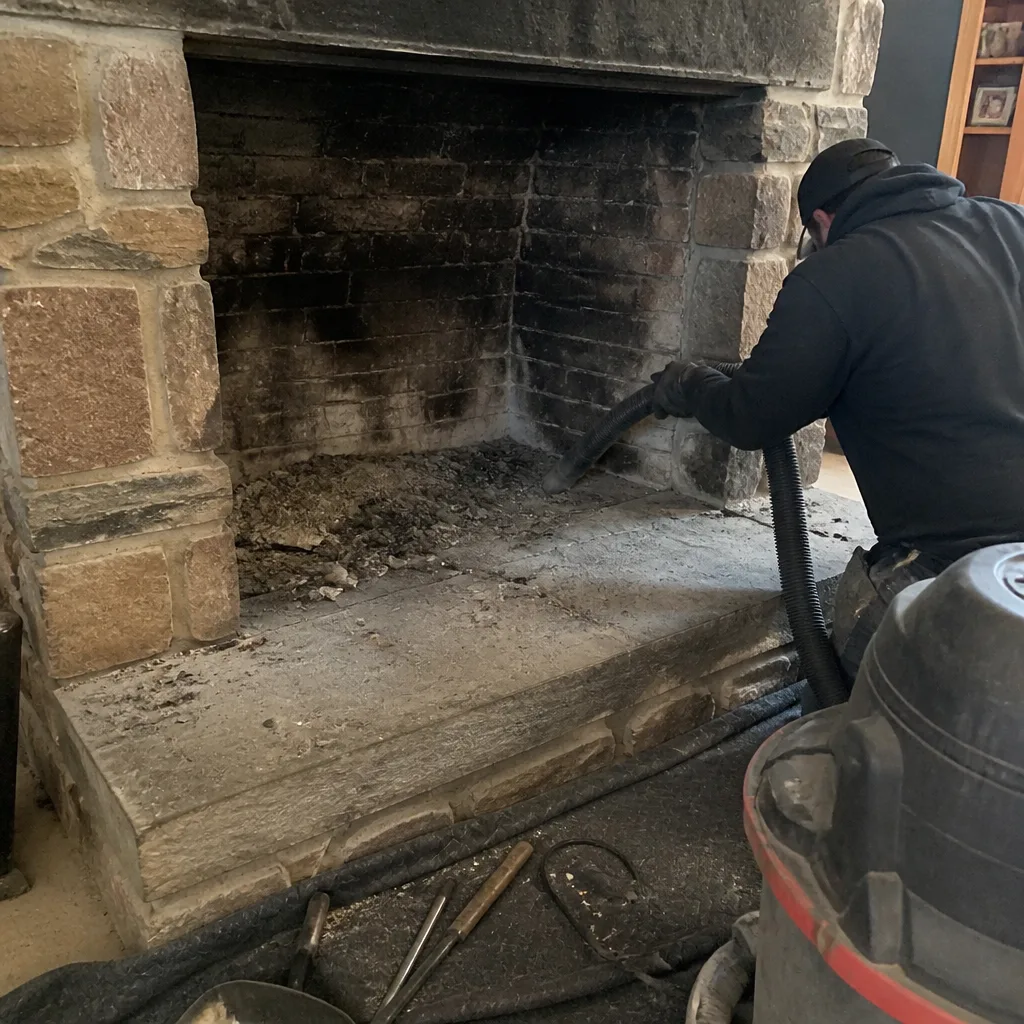 Before
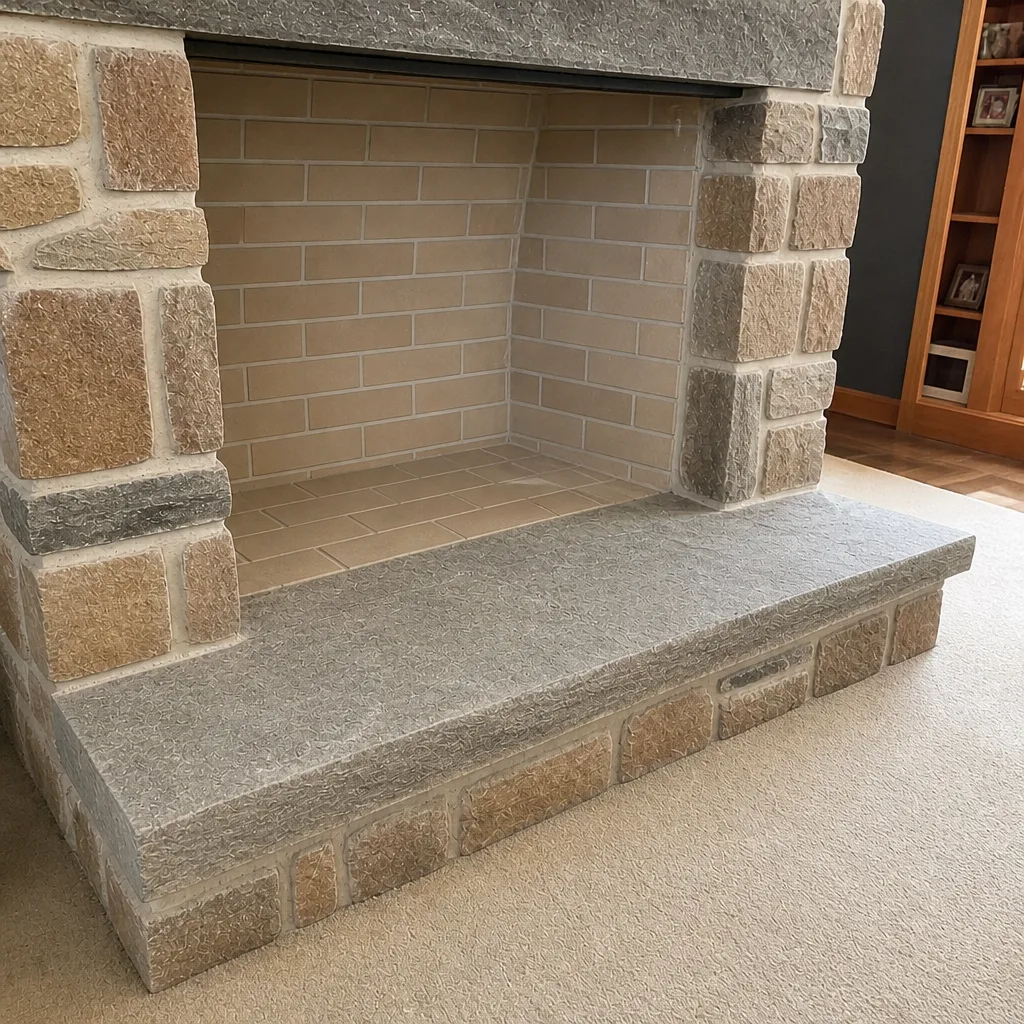 After
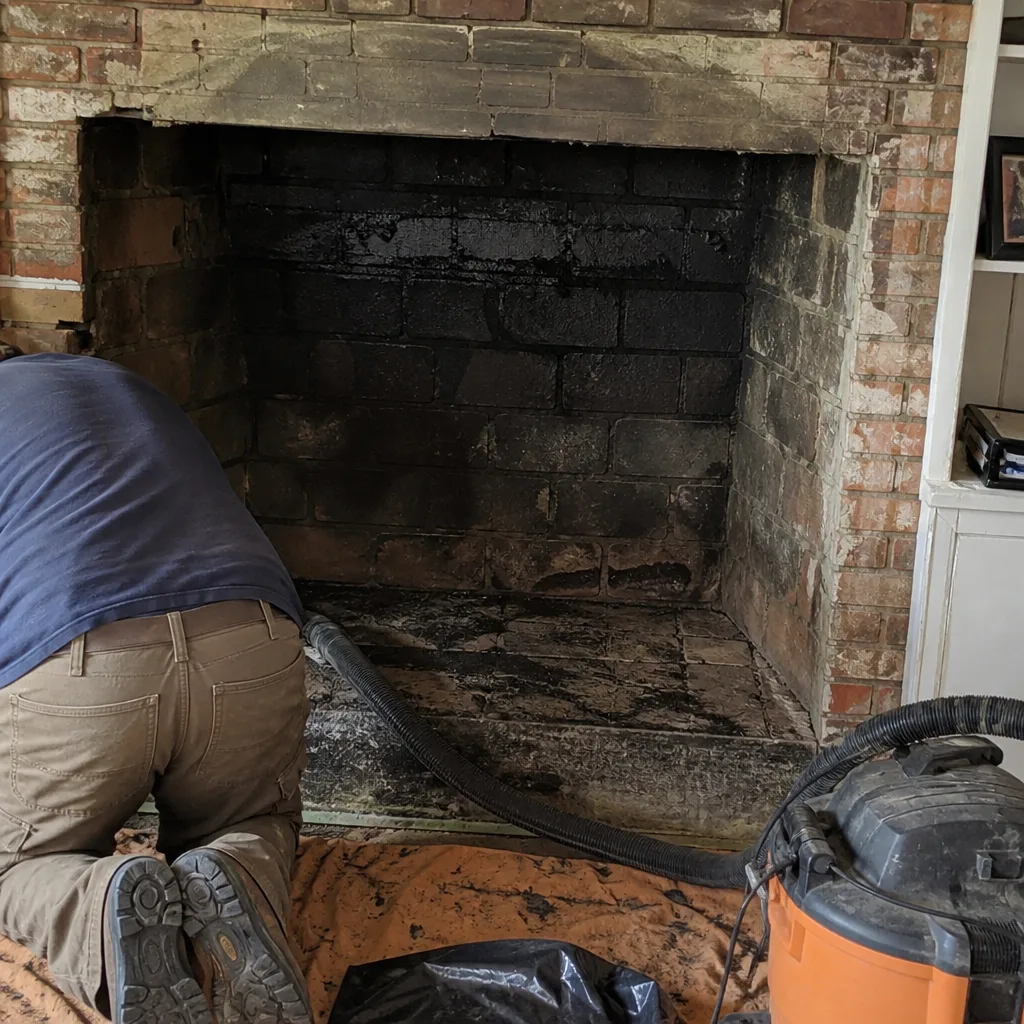 Before
 After
 Before
 After
Frequently Asked Questions
Once a year is the standard for a chimney in regular use, and it’s the right baseline for most South Boston wood-burning fireplaces. If you burn frequently or tend toward cooler, smoldering fires, your creosote builds faster and you may need attention more often. The annual inspection tells you whether your specific burning habits call for a closer interval.
Book the cleaning and inspection in summer if you can, after the heating season has ended and before the fall rush. A spring look catches off-season moisture and animal damage, and a summer booking gets your fall readiness handled without the October scramble. Fall works too, but the calendar fills fast once the first cold snap hits.
An inspection looks at the whole system: the crown and cap at the top, the flue and liner, the damper, the firebox, and the visible masonry. We run a camera through the flue and show you what it sees, so you’re looking at the condition of your liner yourself rather than taking our word for it. If we recommend work, it’s because the camera shows a reason for it.
It depends on what the inspection finds. A flue with deteriorating mortar joints but sound structure can often be resurfaced with HeatShield, a less invasive repair that extends the liner’s life. A badly deteriorated or unlined flue may need a full replacement with a DuraFlex liner system. We won’t recommend a replacement you don’t need, and we’ll tell you when resurfacing is the right call.
Skipping one season is usually recoverable; skipping several is where problems compound. Creosote keeps building while the flue is in use, and moisture keeps working on the crown and mortar all year. In South Boston’s freeze-thaw climate, a small crack that would have been a quick spring fix can widen into structural damage by the next spring. The safe approach is the annual inspection, even in a year you don’t burn much.
It’s safer to have it inspected before regular use, especially if you’ve moved into a home and don’t know the chimney’s history. If you’ve had a cleaning and inspection within the last season and see no warning signs, you’re in good shape. If you’ve noticed smoke rolling back, a strong smell, or visible creosote, stop and get it looked at first. Call (855) 550-7472 for an exact quote; estimates are free.
The Bottom Line
Year-round chimney care in South Boston comes down to one idea: the off-season matters as much as the burning season. Spring is for catching moisture damage and animal intrusions after the heating season ends. Summer is for booking your cleaning and inspection ahead of the fall rush and for assessing crowns, caps, and liner condition while the flue is idle. Fall is for confirming the system is ready before the first fire. Winter is for watching for warning signs and stopping when the chimney tells you to. Keep the cap and crown sound, address small cracks before freeze-thaw widens them, and get a camera inspection you can see for yourself. That rhythm keeps a masonry chimney safe through every South Boston season. Call (855) 550-7472. We answer 24/7. Fast dispatch from 7am to 7pm, Sunday through Friday.
Written by the team at Chimney Sweep South Boston.