
Last updated November 25, 2026
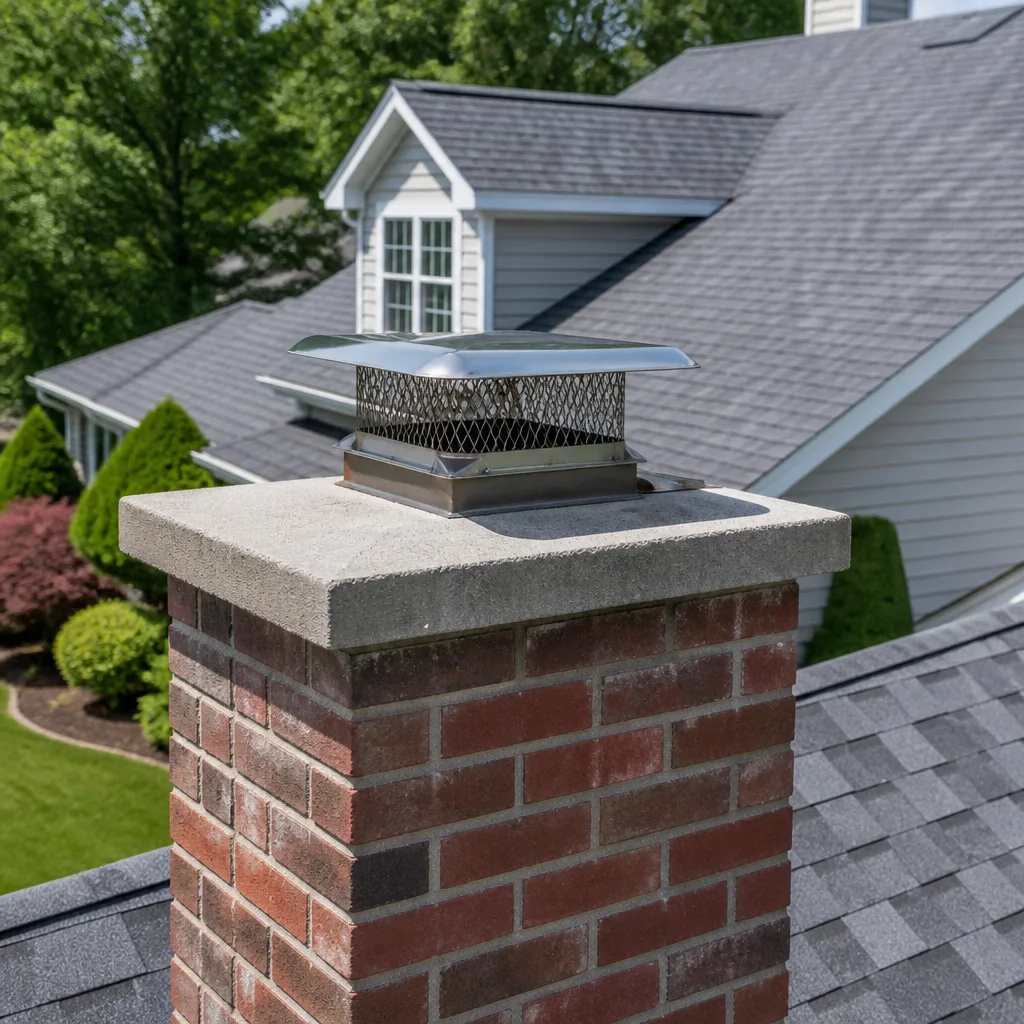 Sweep & inspection
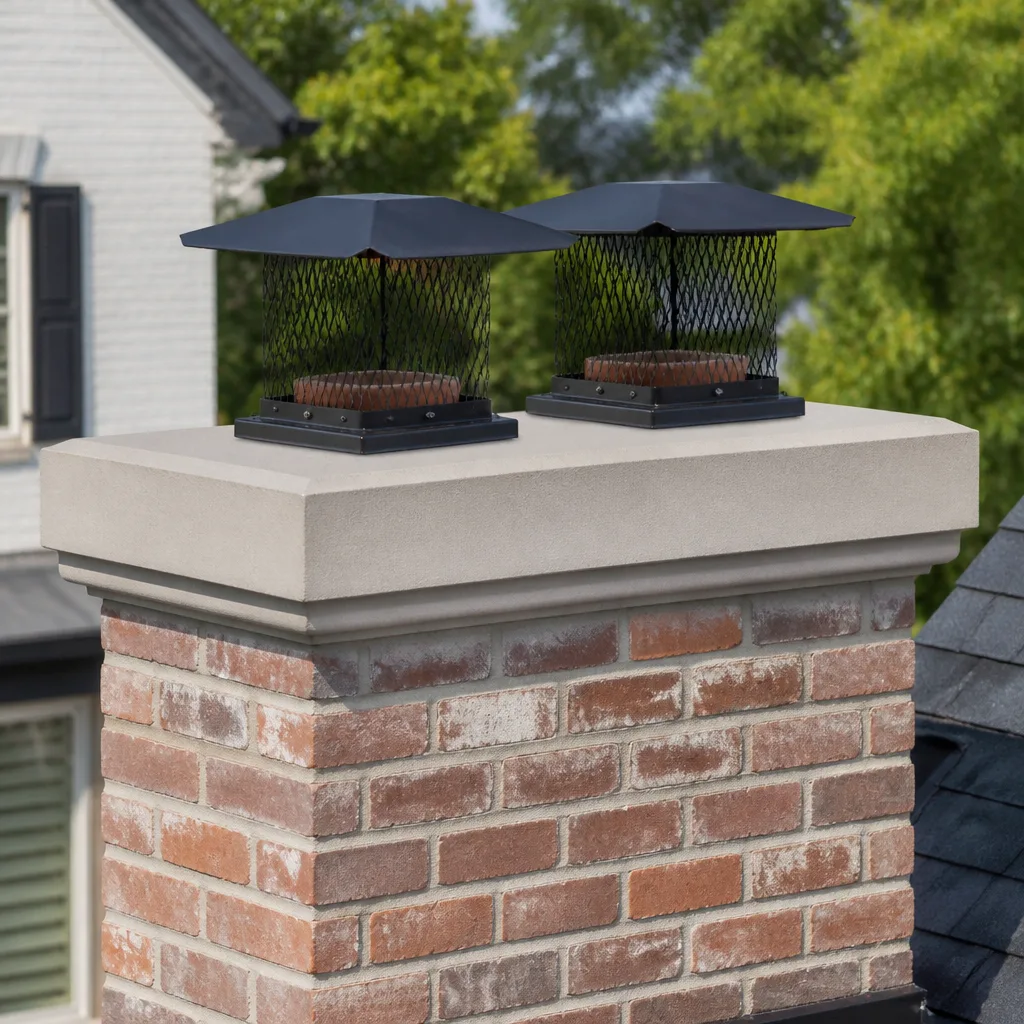 Caps & crowns
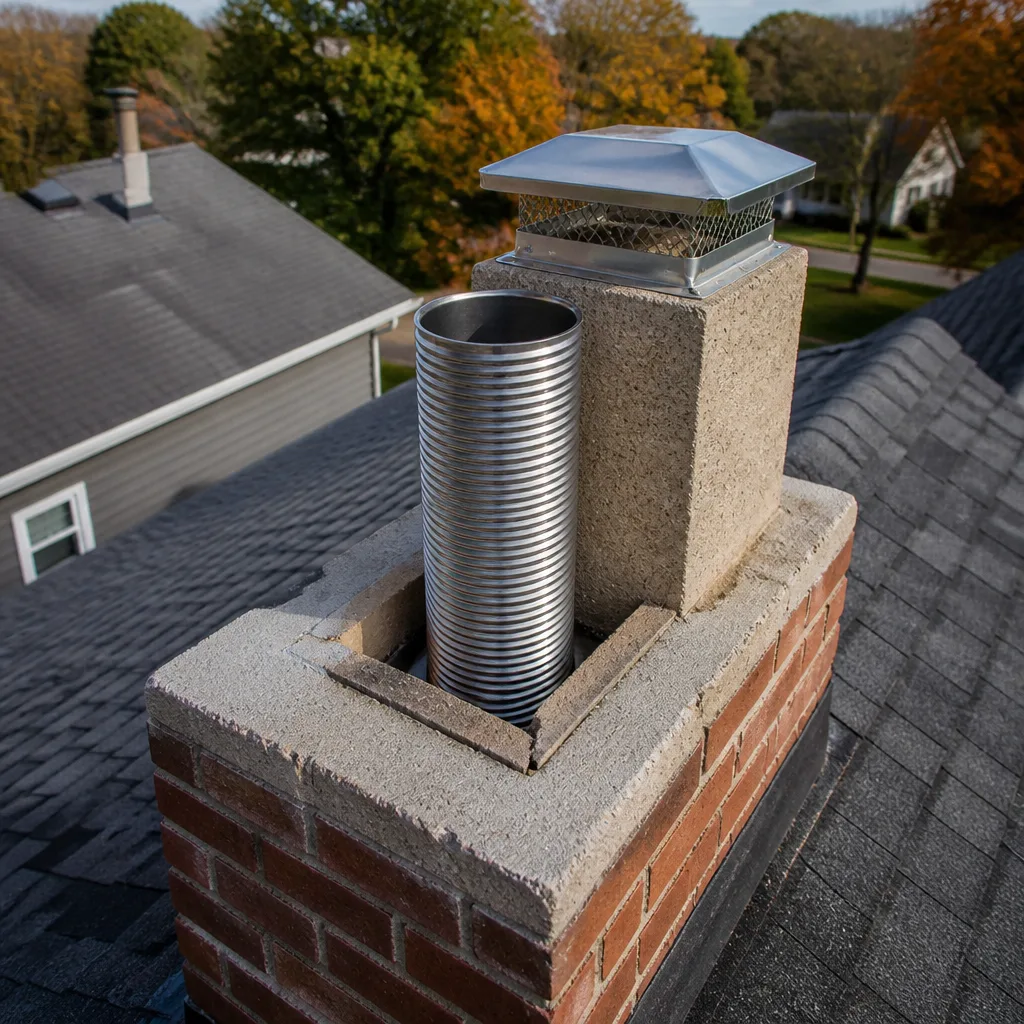 Flue relining
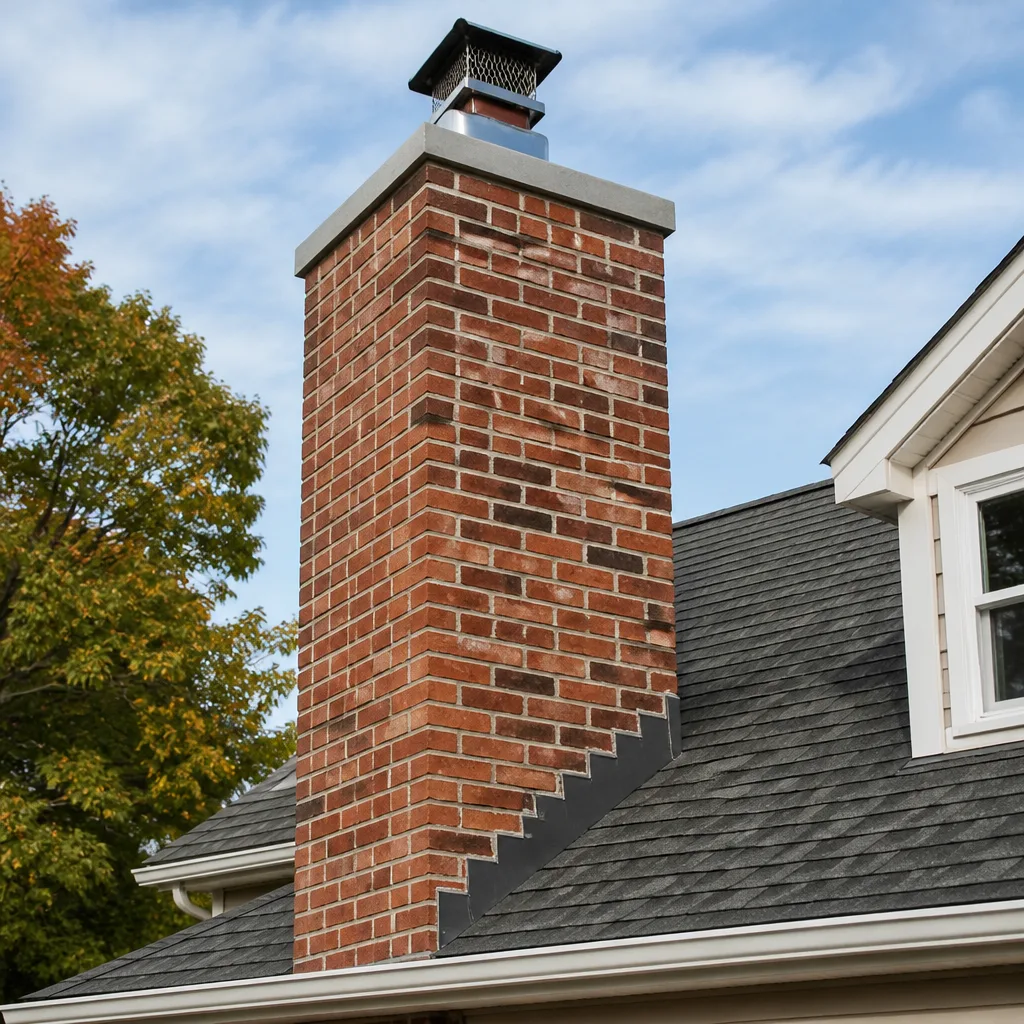 Masonry repair
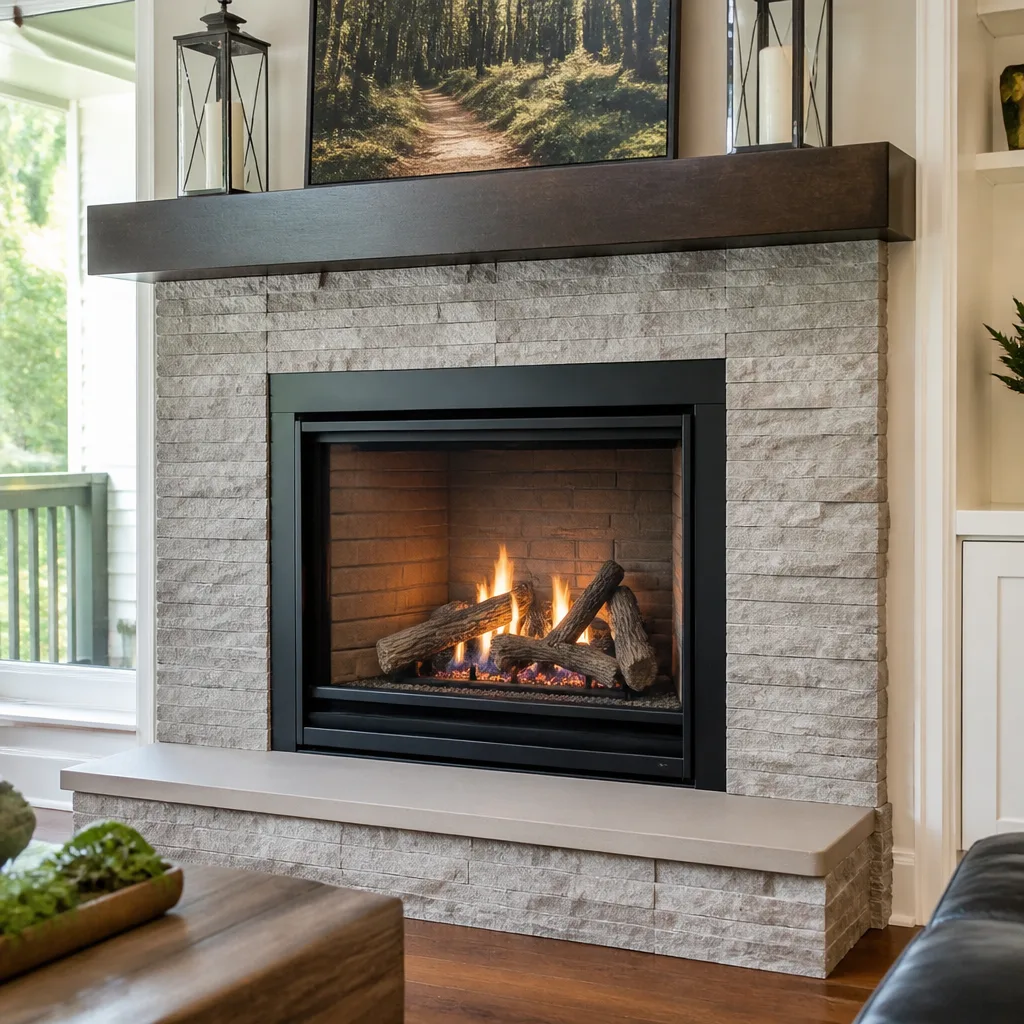 Gas fireplace service
Level 1 sweep and inspection to the NFPA 211 annual standard - flue, crown, cap, and flashing checked and photographed
Chimney sweep logs do not sweep chimneys. They loosen some creosote - which then falls where a brush and vacuum still have to collect it.
Choosing the Right Chimney Cleaning Brand: A Buyer’s Guide for South Boston
Most homeowners never ask what goes into their chimney. They ask what it costs, and they book whoever quotes the lowest number. That habit is the reason we wrote this guide. The materials matter more than the price tag, and the brand names behind a liner, a cap, or a sealant tell you a lot about whether the work will still be holding up years from now. Here in South Boston, where old brick triple-deckers and dense rowhouses crowd close together and chimneys run tight against wood framing, the difference between an average product and a proven one isn’t academic. It’s the difference between a repair you make once and a repair you make again. We cover how to read a spec, what to ask, and how to spot the language that hides a cheap shortcut.
Styles & brands we work with
- Sweep & inspection
- Caps & crowns
- Flue relining
- Masonry repair
- Gas fireplace service
Quick Answer
The right chimney brand is the one that names its material, its alloy grade, and its manufacturer, not just a vague “professional grade” claim. For a flexible liner, ask whether it’s 304 or 316 stainless steel and which fuel it’s rated for. For caps, seals, and dampers, insist the contractor can name the manufacturer without pausing. A brand you can’t verify is a brand you can’t trust.
Table of Contents
- Why the Brand Behind the Product Matters
- Where Brand Choice Matters Most
- The Alloy Question: What “Stainless” Really Means
- What to Ask Your Contractor About the Brands They Install
- How to Read Product Spec Language
- Red Flags to Watch For
- Why One Specialist Across the Whole System Matters
- Common Mistakes to Avoid
- When to Call a Professional
- Frequently Asked Questions
- The Bottom Line
Why the Brand Behind the Product Matters
A chimney is a working system, and every part of it does a specific job. The liner contains and vents the smoke. The cap keeps weather and animals out. The crown sheds water off the masonry. The damper controls draft. When one of these parts fails early, it’s rarely because the concept was wrong. It’s usually because the material was undersized, under-rated, or simply cheap. The brand name is your only real clue about which of those happened before the work was even done.
We see this in South Boston constantly. A homeowner has a liner installed by a general handyman who picked up whatever was on the shelf. Two winters go by, the liner starts to show stress, and now the question is whether to patch it or start over. The original installer is gone, there’s no documentation of the material, and the homeowner has no way to know what was put in. That’s the trap. A brand with a real warranty and a documented material spec gives you a paper trail. You know what’s in your chimney, who made it, and what the maker stands behind.
There’s a second reason brands matter, and it’s about consistency. A specialty chimney company that works with a curated roster of industry manufacturers, like the professional-grade brands in our toolkit, has made a decision: they’ll use the right material for the job rather than whichever product is cheapest that week. That’s a purchasing decision, and it shows up downstream in how long your repair lasts. In a city as dense as South Boston, where one chimney’s problems can affect the neighbors, getting the material right the first time isn’t a luxury. It’s the standard.
The short version: a brand is not marketing. It’s the closest thing you have to a guarantee about what’s going into the flue that vents your fireplace. Ask about it. Every time. When you take the time to understand how to chimney sweep a system safely and correctly, you start to see why the parts and products matter as much as the sweep itself.
Where Brand Choice Matters Most
Not every product carries the same risk. Some parts of a chimney can be swapped out cheaply with little consequence. Others are load-bearing, safety-critical, or exposed to the worst the weather and fire can throw at them. These are the categories where we tell homeowners to slow down and ask questions.
Flexible liner systems
The liner is the single most important component in a wood-burning chimney. It’s what contains the fire’s smoke and vapor and carries it safely up and out. A flexible stainless liner needs to be rated for the fuel you actually burn, sized correctly for your appliance, and made from an alloy that holds up over time. On a full liner replacement, we turn to DuraFlex for the material spec and warranty backing. This is not a part to bargain-hunt.
Chimney caps
The cap at the top of your chimney keeps rain, snow, birds, and squirrels out of the flue. A generic hardware-store cover often doesn’t fit a South Boston chimney properly, because these are old homes and few flues are a standard size. When a standard cap won’t seat, we turn to Gelco or Famco to make a custom-fit venting solution. It’s the difference between a cap that sits rigid and one that rattles loose and lets water in.
Damper replacements
The damper controls draft and keeps warm inside air from escaping up the flue when the fire isn’t burning. A worn or stuck damper is one of the most common reasons a fireplace smokes or under-performs. Olympia Chimney supplies the top-seal dampers and venting hardware that most chimney companies reach for in a proper replacement.
Smoke chamber sealants
The smoke chamber is the funnel above the firebox where the smoke gathers before it goes up the flue. Its walls are often rough brick, and if they’re cracked or deteriorating, they can let heat and vapor into the chimney structure. We use HeatShield, which is recognized by the EPA, to resurface a deteriorating flue liner and reseal the smoke chamber without a full tear-out. It’s a repair that most general contractors can’t offer, and it’s one of the reasons the brand choice matters here.
For a closer look at how we treat a fireplace and the parts around it, our guide to fireplace repair walks through what a proper diagnosis involves.
The Alloy Question: What “Stainless” Really Means
This is the point most homeowners never think to raise, and it’s the one that matters most. A flexible liner sold as “stainless steel” could be 304 alloy or 316 alloy. Both are stainless. Only one is right for certain fuels and conditions, and the difference shows up over time. This is where we see the most confusion on jobs in South Boston.
Here’s the simple breakdown:
- 304 stainless is a general-purpose alloy. It’s used for wood-burning flues, and it does its job when the fuel is dry wood and the chimney is swept regularly.
- 316 stainless is a higher-grade alloy with better resistance to acids and corrosion. It’s the standard for oil, gas, and wood-appliance systems where condensation and corrosive vapor are a bigger factor.
Neither alloy is “bad.” But the alloy needs to match the fuel and the appliance. A liner rated 304 installed on a high-efficiency appliance that produces more acidic condensation, or on a fuel type it wasn’t intended for, is set up for a shorter life. A liner rated 316 on a simple wood-burning fireplace is overkill but still fine. What’s not fine is not knowing which one you got. Ask your contractor: “What alloy is this liner, and why is it the right one for my fuel?” A pro should be able to answer in one breath. If the answer is a defensive “it’s stainless, don’t worry about it,” that’s a problem.
Gauge matters too. A thinner liner with the same alloy name is not the same product. Ask what gauge is being installed, and ask for it to be written into the work order. For a full-system view of how your flue, cap, and crown fit together, see our work on chimney cap & crown, where the top of the system is often where the troubles start.
What to Ask Your Contractor About the Brands They Install
A professional should be able to answer brand questions without reaching for a catalog or changing the subject. These are not trick questions. They’re the ones that tell you whether you’re dealing with a specialist or a company that gets the cheapest thing off a shelf and moves on. Here’s a numbered checklist to work through before you book.
- What brand and model is being installed? Not “a high-quality liner.” A specific manufacturer and a specific product. Write it down.
- What alloy and what gauge is the liner? For a full liner replacement, we use DuraFlex, and the alloy and gauge are part of the quote. Ask the same of anybody.
- Is it rated for my fuel type? Wood, gas, oil, and pellet each call for different material specs. Make sure the answer matches what you actually burn.
- What’s the warranty, and who backs it? Manufacturer warranty terms vary a lot. Get the terms in writing and confirm whether the manufacturer or the installer stands behind it.
- Can you resurface instead of replace? If your flue only has deteriorating mortar joints and no structural breach, HeatShield resurfacing can sometimes be a less invasive option. A contractor who only offers replacement isn’t giving you the full picture.
- What does the cap and crown spec look like? If a standard cap won’t fit, can they source a custom-fit option from Gelco or Famco? Generic covers usually don’t last on an older South Boston home.
- What will the estimate show me? Getting a flat-price estimate and a clear line-item breakdown before you book is the only way to compare bids fairly. If a contractor won’t put the brand spec in writing, ask why.
None of these questions are unusual. Any chimney specialist working with professional-grade manufacturers will answer them without hesitation. If the questions make the contractor uncomfortable, that’s your answer right there.
How to Read Product Spec Language
A spec sheet is only useful if you can read past the marketing language. A lot of the material descriptions you’ll see are built to sound impressive while saying nothing. When you look at a quote or a product data sheet for your South Boston chimney, watch for these patterns.
- “Stainless” without an alloy grade. This is the most common dodge. Stainless steel is a category, not a specification. If the alloy (304 or 316) isn’t stated, ask.
- “Professional grade” without a manufacturer name. A real manufacturer is proud to be named on a spec sheet. A generic “professional grade” label is usually there to avoid being compared.
- “Heavy duty” without a gauge or thickness. Heavy duty is not a number. Gauge is a number. Ask for it.
- Warranty language that’s vague about who honors it. “Lifetime warranty” means nothing unless you know who honors it and under what conditions. Read the fine print on voiding clauses, like failure to sweep annually.
- Reviews and catalog copy reused as spec. A product described in a way that reads like the manufacturer’s marketing page is not a spec. Ask for the manufacturer’s data sheet.
The pattern here is simple: every part of a claim should trace back to a named manufacturer or a measurable value. If it doesn’t, treat it as a claim to verify, not a fact. When we prepare an estimate, the brand, the alloy, and the gauge are written into it. That’s the standard we’d want for our own home in South Boston, and it’s the standard we hold our work to when we inspect and repair a chimney.
Red Flags to Watch For
We’ve seen dozens of jobs in South Boston where a homeowner was sold a product they couldn’t identify. The red flags were there, but they weren’t obvious at the time. These are the ones to watch for the next time you’re comparing estimates.
- A quote that names the price but not the product. If you can’t tell from the written estimate what’s being installed, the brand matters more than the number. Ask for a full material spec before you sign anything.
- Silence on alloy. A “stainless liner” quote that doesn’t say 304 or 316 is incomplete. No exceptions.
- Skipping the inspection to get to the sale. A company that shows up to quote a big job without offering a proper inspection is selling, not diagnosing. You should see what they see before you decide anything. Our team offers a standalone inspection so you can make an informed call.
- Recommendation without evidence. Any recommendation to replace a liner or repair masonry should come with camera footage or photos you can look at. If the technician can’t show you the problem, don’t authorize the fix.
- No warranty documentation. If you’re paying for a liner, a cap, or a damper, you should walk away with the manufacturer’s warranty information in hand. No warranty means no paper trail, and no paper trail means no comeback.
- “Your neighbor had this done.” What worked on one chimney is not automatically right for yours, especially in older South Boston homes where the flue size, the mortar, and the appliance vary from building to building.
The good news is that these red flags are easy to test for. Ask one direct question: “Can you name the manufacturer and the material spec?” A real specialist answers in a sentence. A handyman changes the subject.
Why One Specialist Across the Whole System Matters
Your chimney has a top end and a bottom end, and a lot of parts in between. The cap and crown at the top, the flue liner in the middle, and the firebox and damper down below all interact. When a problem at one end creates a problem at the other, a single specialist who works with the full system has a big advantage over a series of separate contractors who each handle one piece. A general handyman can’t do a liner replacement. A masonry crew that only does brickwork won’t touch the flue. And neither of them will coordinate the whole repair, so the homeowner ends up managing a schedule and a paper trail across three companies.
Working with a dedicated chimney specialist means the person diagnosing the firebox, the smoke chamber, and the liner is the same one who’s going to recommend the cap and crown spec. That matters for brand consistency too. A company that keeps DuraFlex, HeatShield, Gelco, Olympia Chimney, and Famco on the same working roster can pick the right material for each part of the repair rather than subcontracting different pieces to different people. In a dense city like South Boston, that’s a real advantage because every chimney is a little different, and no single product fits every job.
The point isn’t to be a “one-stop shop.” It’s to make sure the person diagnosing the whole system is the same one responsible for the whole repair. That’s how you avoid the problem where one contractor installs a liner, another doesn’t quite line up the cap, and a third can’t figure out whose work voided the warranty. One specialist, every part of the chimney, is the cleaner way to do it.
If you’re new to how the whole system fits together, our Chimney Sweep South Boston page gives the broad view of the services across the full chimney, and it’s a good place to start before you start comparing brands.
Common Mistakes to Avoid
- Choosing on price alone. The lowest quote is often the cheapest product. In a South Boston home, a few hundred dollars saved on a liner can turn into a full redo in a few years, and you’ll still need the proper liner.
- Not asking about the alloy and gauge. “Stainless” without a grade is not a spec. Ask the question, and don’t sign until you get a straight answer.
- Letting a handyman install a liner. Firebox, damper, and flue work call for someone trained on those products. If the crew does a little of everything, they aren’t a specialist.
- Skipping the standalone inspection. An inspection should be something you can book on its own, to get a real diagnosis before a sale. If a company only inspects to sell a job, ask why.
- Skipping annual sweeping to save money. A chimney that isn’t swept annually builds up creosote, and creosote is what fuels a chimney fire. The annual sweep is what the manufacturer’s warranty assumes, so skipping it can void your liner coverage too.
- Watching the price, not the material. A quote that says “$X installed” without naming the brand is not a quote. It’s a rough guess you’ll be stuck living with.
- Not reading the warranty. A “lifetime” warranty that the installer honors only if you prove annual inspection is basically a pricing risk for you. Get the terms in writing, and keep them.
When to Call a Professional
Some of this work is genuinely hands-off. If you smell smoke inside the house when the fire is burning, or if you see water staining on the ceiling around the chimney, or if the firebox has visible cracks, those are signs the system needs a real diagnosis. If your fireplace has never been inspected, or it’s been more than a year since the last sweep, it’s time. And if you’re buying or selling a home in South Boston, a standalone inspection is worth the call before you commit. Don’t take on liner work, cap installation, or flue resurfacing yourself. A chimney carries fire and vapor, and the parts that fail can do real damage. We show you what we find and put the material spec in writing before anything gets installed.
If you need a chimney diagnosis, Chimney Sweep South Boston offers free estimates in South Boston. Call (855) 550-7472. We answer 24/7. Fast dispatch from 7am to 7pm, Sunday through Friday.
Frequently Asked Questions
Look for a manufacturer you can name and verify, and ask for the alloy grade (304 or 316), the gauge, and the fuel-type rating. DuraFlex is one of the professional-grade liner systems we work with, and the spec should be written into your written estimate. If the contractor can’t tell you the brand and the alloy, ask again before you agree to anything.
It depends on your appliance and your fuel. 304 is appropriate for a standard wood-burning fireplace with dry wood. 316 is a higher-grade alloy with better resistance to acids and condensation, and it’s often the right choice for oil, gas, and higher-efficiency appliance venting. The right alloy is the one rated for the fuel you actually burn. Ask your contractor to explain which one fits your setup before the work begins.
Nothing specific unless it’s paired with a manufacturer name. Standalone, it’s a marketing phrase. Ask for the manufacturer and the spec: the brand, the alloy, the gauge, and the warranty terms. When those four are in writing, you know what you’re buying. When they’re not, the phrase is doing the work of a spec it can’t support.
It depends on what the inspection finds. If the flue has deteriorating mortar joints but no structural breach, a resurfacing method like HeatShield can often be a less invasive option than a full liner replacement. If the liner is breached, cracked, or the masonry is failing structurally, replacement is usually the safer answer. You should see the camera footage showing the problem before you authorize either fix. Call (855) 550-7472 for an exact quote, and estimates are free.
It’s possible on some chimneys, but the fit and the material often don’t hold up. A standard hardware-store cap rarely seals correctly on older South Boston homes where the flue is an unusual size, and a loose cap lets in water and animals. A custom-fit cap from a name-brand manufacturer like Gelco or Famco does the job properly. We’d rather see it done right than done twice.
Because those parts take the daily beating of weather and use. A cap that doesn’t seal lets water into the chimney structure, and that shows up as staining or a masonry problem months later. A damper that doesn’t close properly lets warm air escape up the flue and lets cold air come down. Neither of those is a dramatic failure, but both cost you over time, and better-made parts last longer. Call (855) 550-7472 for an exact quote, and estimates are free.
The Bottom Line
The right chimney brand is the one that names its material, its alloy, and its manufacturer, and stands behind the product in writing. A stainless liner that’s 304 is a different product from one that’s 316, and the difference decides how long it holds up. The same goes for caps, dampers, and sealants: the brand is your only real clue about what’s going into your chimney. Ask the questions, get the spec in writing, and see the evidence before you authorize any work. Here in South Boston, that’s the standard we work to. Call (855) 550-7472 for a free estimate, and we’ll tell you what we find and what we recommend, and we’ll show you both.
Written by the team at Chimney Sweep South Boston.
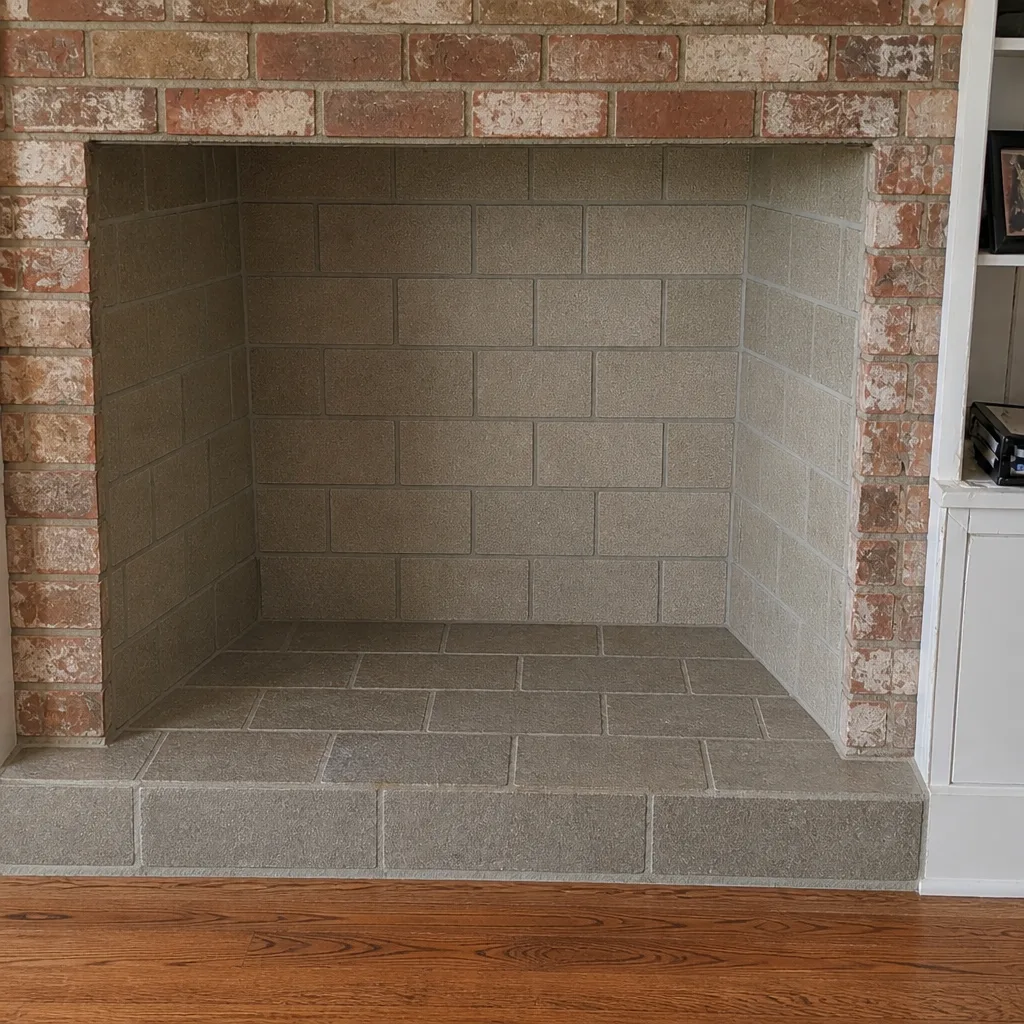
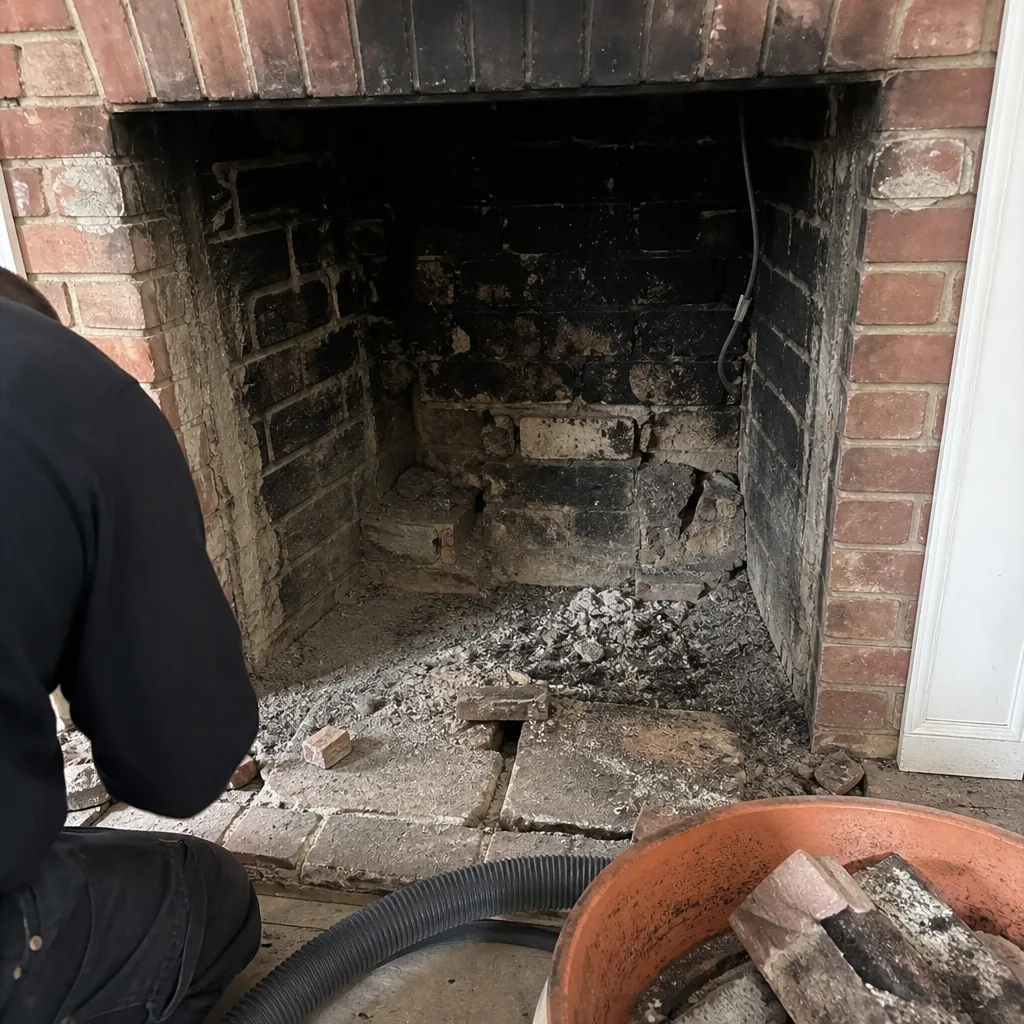
See the difference
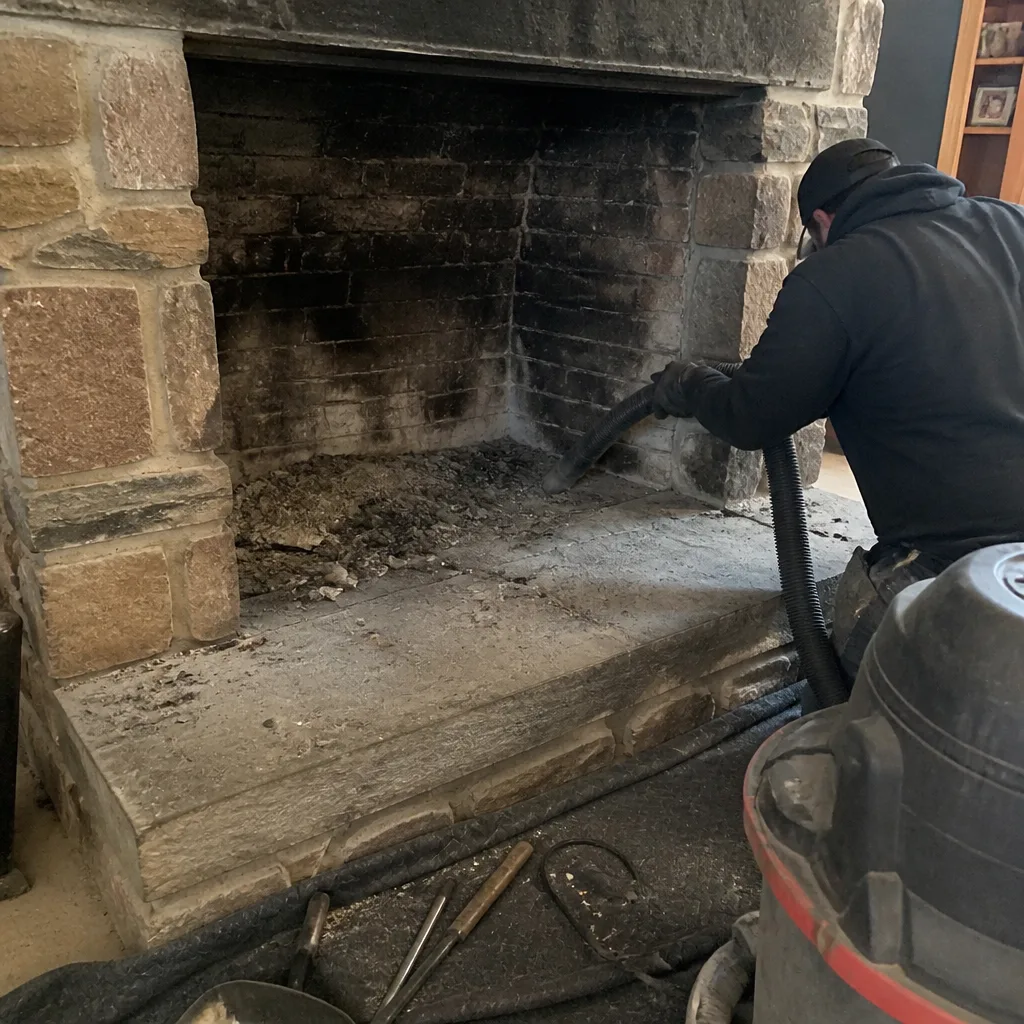 Before
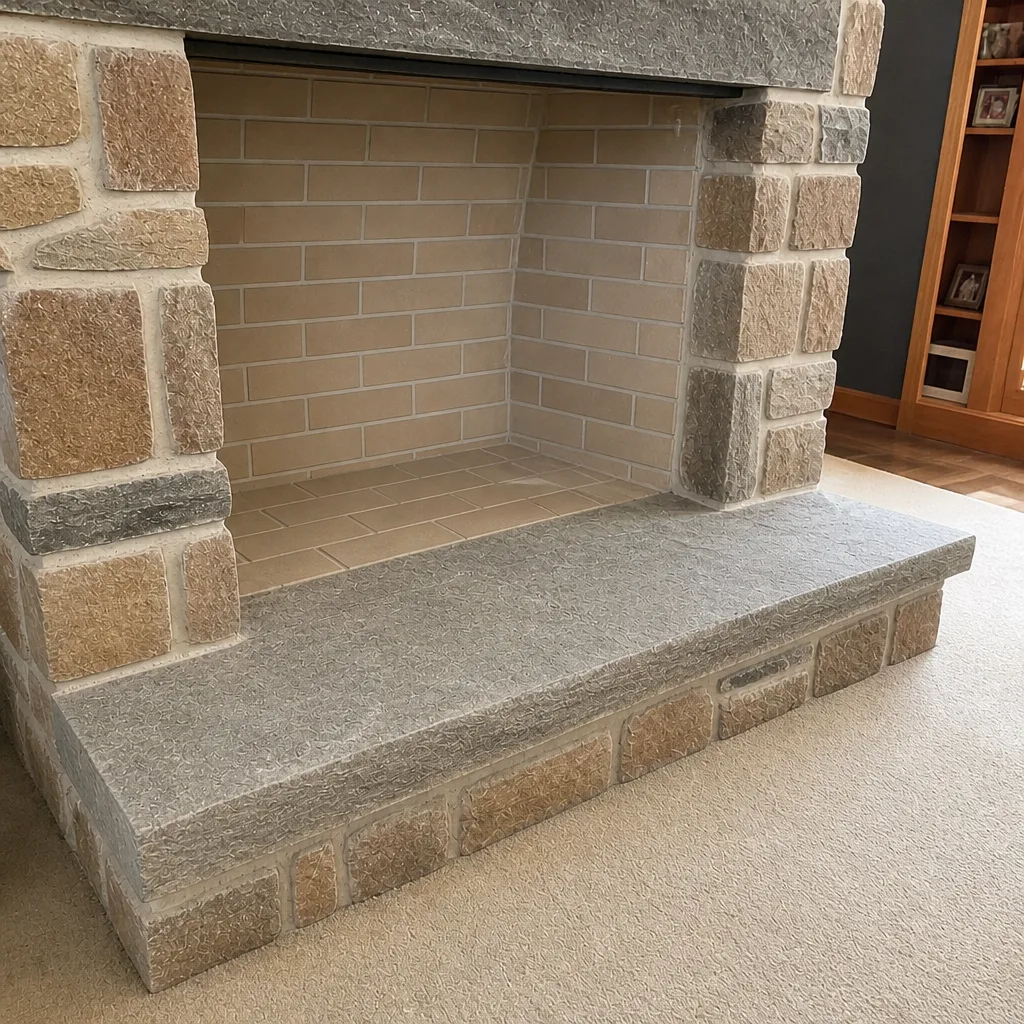 After
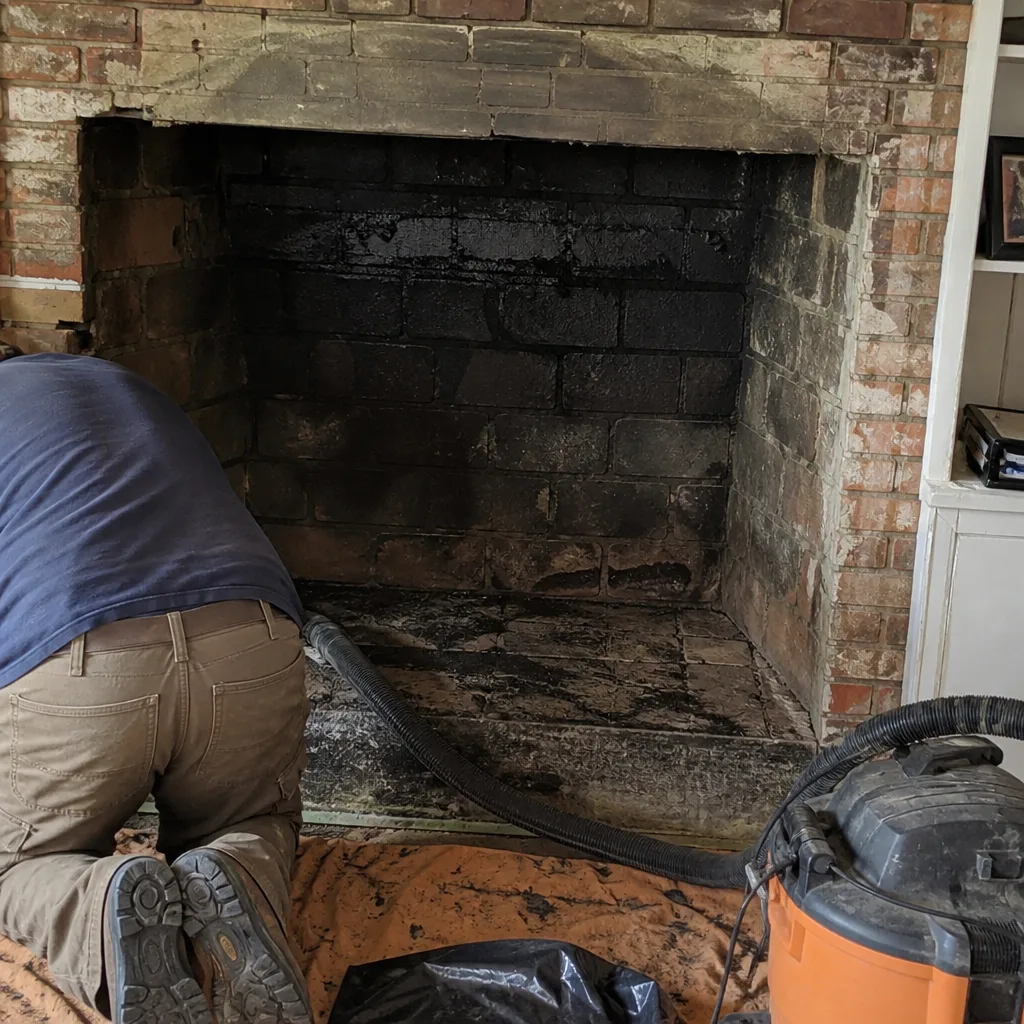 Before
 After
 Before
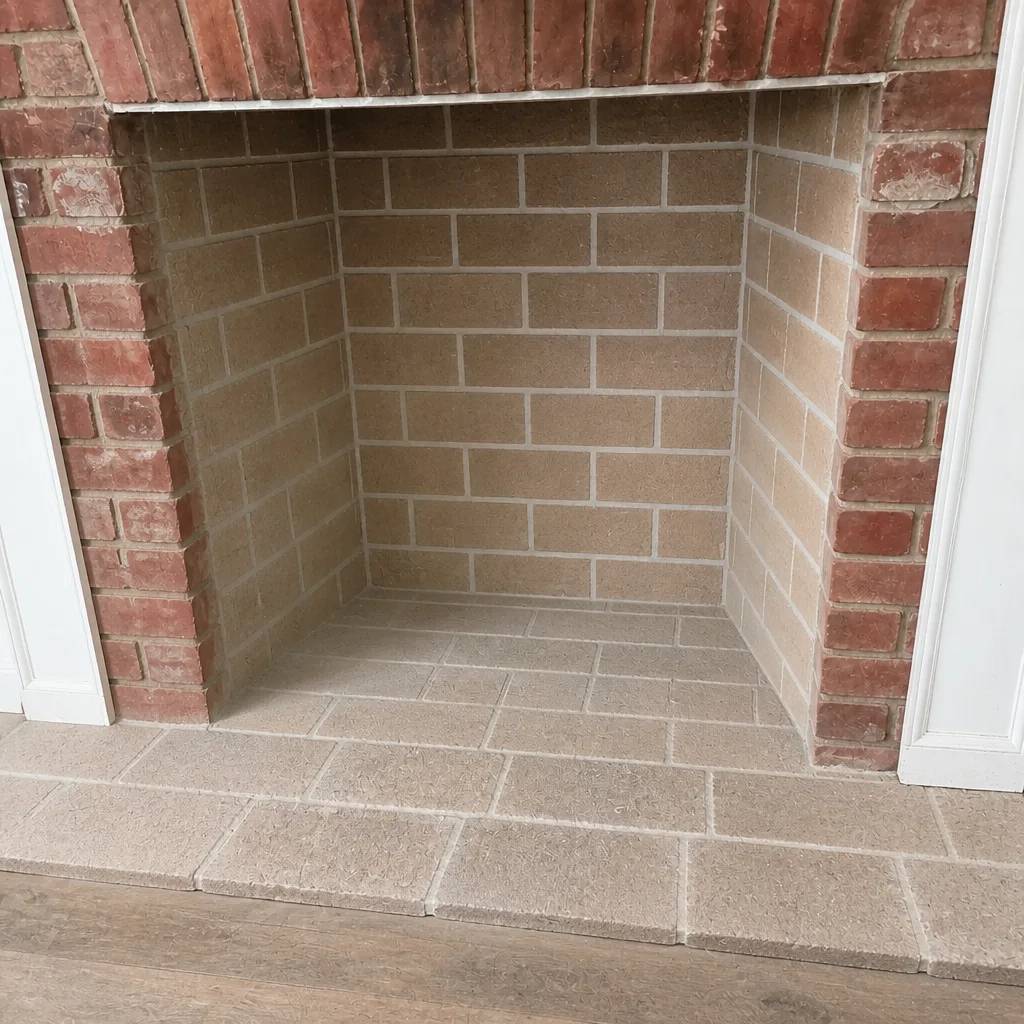 After