
Last updated November 25, 2026
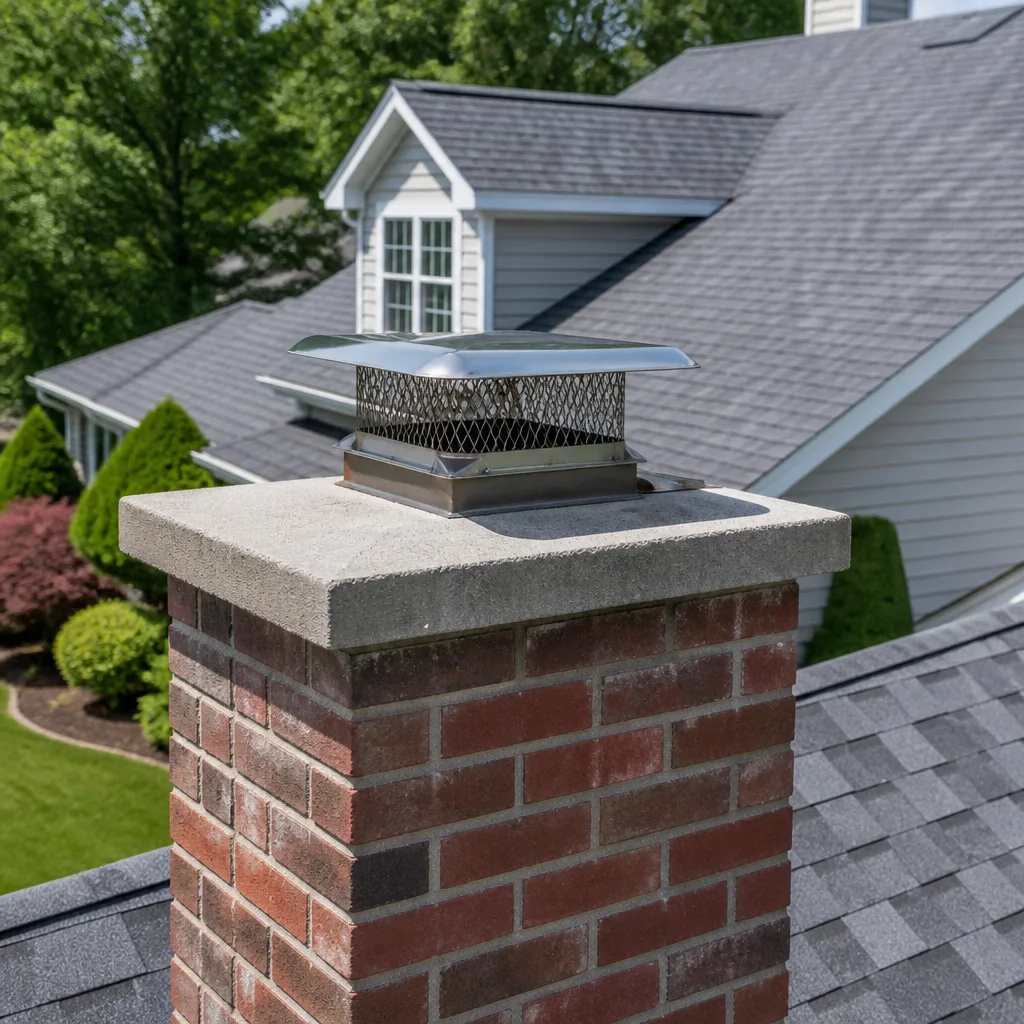 Sweep & inspection
 Caps & crowns
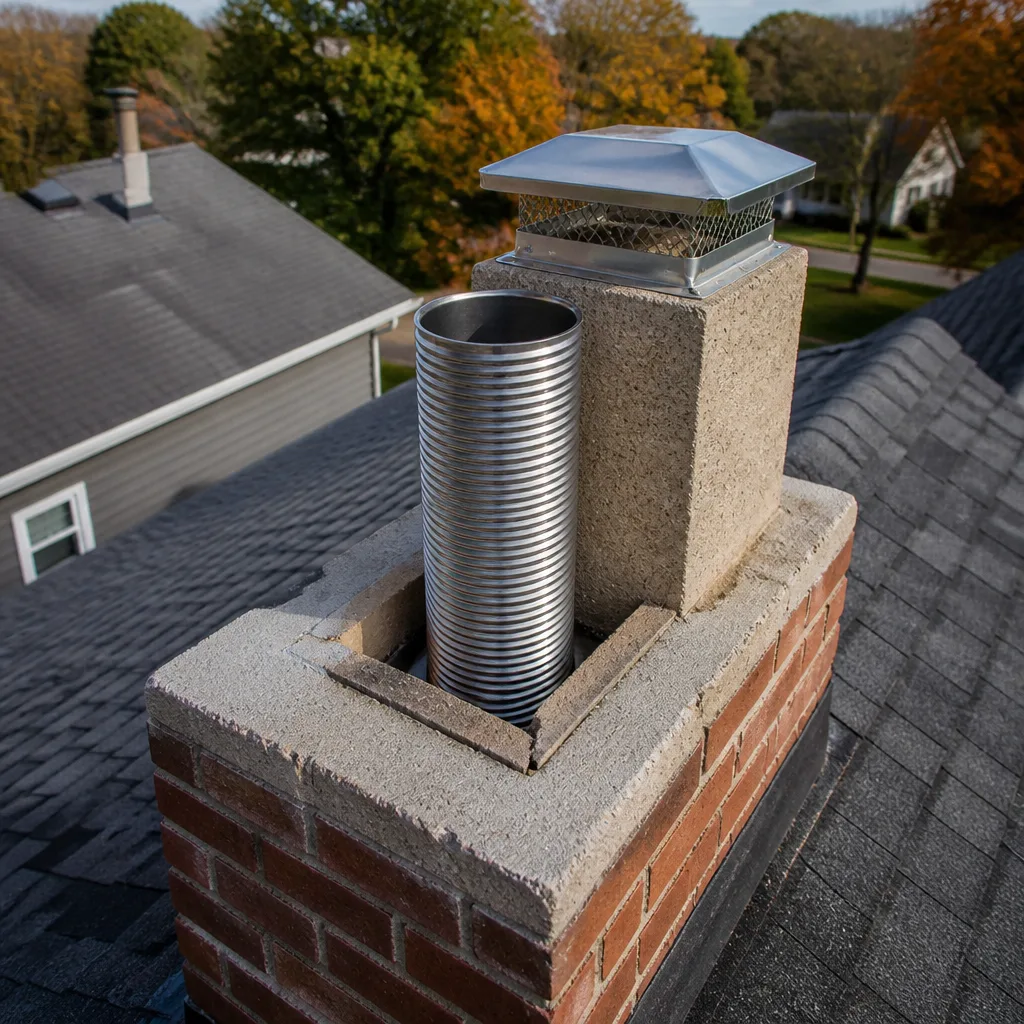 Flue relining
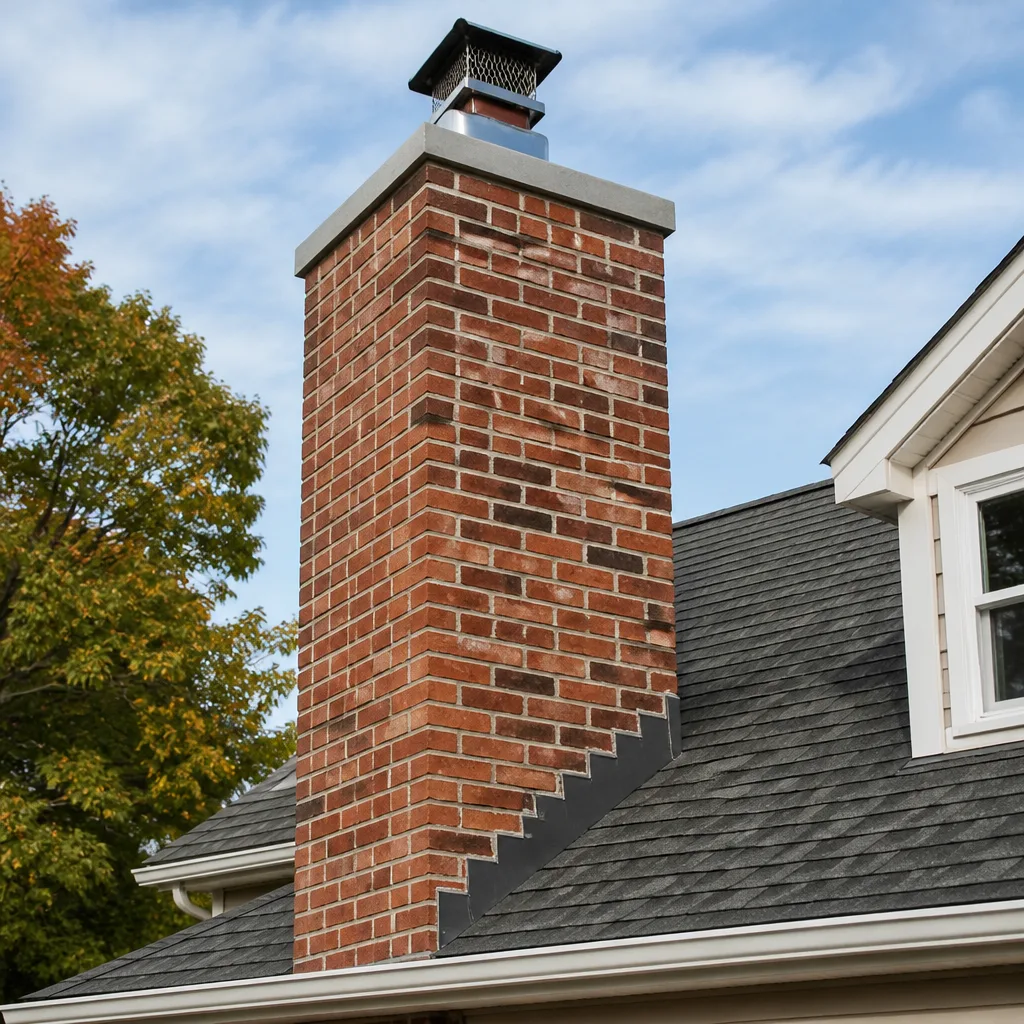 Masonry repair
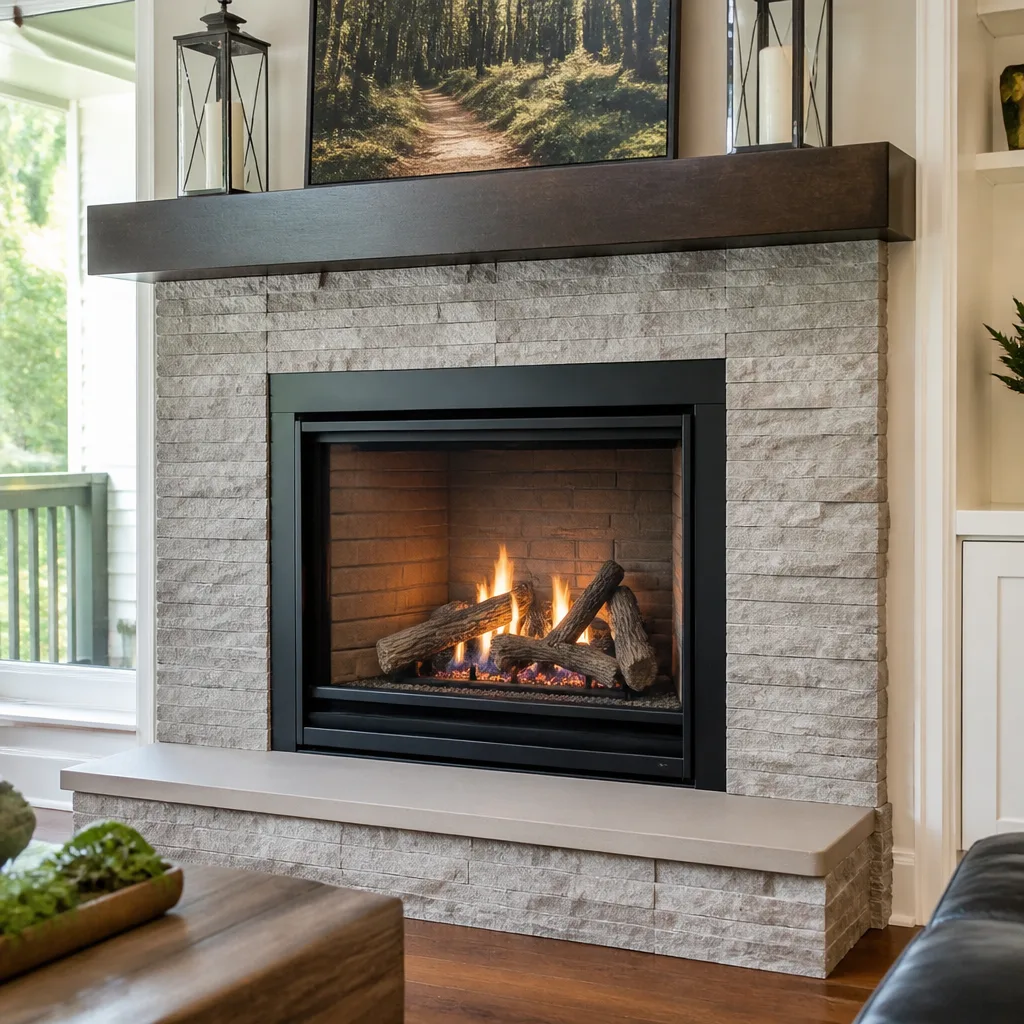 Gas fireplace service
Level 1 sweep and inspection to the NFPA 211 annual standard - flue, crown, cap, and flashing checked and photographed
Chimney sweep logs do not sweep chimneys. They loosen some creosote - which then falls where a brush and vacuum still have to collect it.
Chimney Sweep Maintenance Checklist for South Boston Homeowners
Checking your chimney “once a year” is advice written for a generic homeowner burning two cords of wood in a house with a modern flue. If you’re running a gas insert in a converted South Boston rowhouse, or an oil furnace flue off a basement, that same schedule can be too often for some tasks and not nearly enough for others. The calendar matters less than what the appliance burns, how much it burns, and what the brick and mortar around it are doing through a New England freeze-thaw cycle. This guide gives you a checklist built around triggers, not dates. You’ll learn what you can safely check yourself from the ground, what needs a trained eye, what to write down and keep, and which findings mean “book a sweep” versus “stop using the fireplace until someone looks at it.”
Quick Answer
Chimney maintenance in South Boston is driven by fuel type and usage, not by the calendar. Wood-burning fireplaces and inserts need sweeping based on creosote buildup (roughly every cord of wood burned, checked annually), gas inserts need an annual inspection of venting and debris, oil furnace flues need annual cleaning and inspection for soot and corrosion, and pellet stoves need the vent and firebox cleaned on a shorter cycle. On top of that, exterior masonry in South Boston needs a visual check every spring for freeze-thaw spalling and open mortar joints, so small cracks get addressed before the next winter drives water in.
Styles & brands we work with
- Sweep & inspection
- Caps & crowns
- Flue relining
- Masonry repair
- Gas fireplace service
Table of Contents
- Why a Trigger-Based Checklist Beats a Calendar
- Checklist for Wood-Burning Fireplaces and Inserts
- Checklist for Gas Inserts and Gas Log Sets
- Checklist for Oil Furnace Flues
- Checklist for Pellet Stoves
- What You Can Safely Check vs. What Needs a Pro
- South Boston Wear Triggers: Freeze-Thaw and the Water Table
- What to Record and Keep on File
- Common Mistakes to Avoid
- When to Call a Professional
- Frequently Asked Questions
Why a Trigger-Based Checklist Beats a Calendar
Most chimney advice you’ll read online was written for a standard profile: single-family house, one masonry fireplace, two cords of hardwood a year. That profile doesn’t match most of South Boston. A triple-decker with a gas insert in the parlor, an oil boiler in the basement, and a capped-off original fireplace flue is a completely different maintenance picture than a standalone colonial with a working wood fireplace. The calendar approach doesn’t account for that difference, and it can push you to spend money on a sweep you don’t need while ignoring a flue that does.
A trigger-based checklist works like this: you learn the two or three signals that matter for your specific appliance, you check them at natural stopping points in the year (before heating season, after heating season, after any major storm), and you act on what you actually find. That’s it. In our experience, the homeowners who get the most value out of a chimney sweep are the ones who called because they saw or smelled something specific, not the ones who booked a date on the calendar.
Here’s how we think about triggers in South Boston:
- Fuel type sets the sweep interval. Wood is creosote-driven. Gas is debris- and vent-driven. Oil is soot- and corrosion-driven. Pellet is ash- and vent-driven.
- Usage volume sets how often you look. One fire a week through winter is a different flue from a fire every night from October to April.
- Building age and exposure set the masonry inspection interval. Older masonry rowhouses near the water and along the open corridors of the neighborhood see more freeze-thaw cycling than newer construction.
- Events set the emergency check. A chimney fire, a bird in the flue, a storm that knocked the cap loose, or a sudden smoke-back into the room all reset the schedule.
One more thing worth saying up front: a clean chimney isn’t just about performance. It’s about not burning your house down. Everything in this checklist exists to reduce that risk and to make sure the money you spend on chimney work goes to a real problem you can see evidence of.
Checklist for Wood-Burning Fireplaces and Inserts
Wood is the fuel that generates the most attention in chimney maintenance, because it’s the one that produces creosote. Creosote is a tar-like residue that condenses on the inside of the flue as smoke cools. It comes in three forms, and the third – glazed, shiny, hard creosote – is the one that fuels chimney fires. You cannot judge creosote by looking up from the firebox with a flashlight. It needs a proper look.
Your wood-burning checklist, run every year before the first fire and again at the end of the season:
- Look at the firebox interior. Check for cracked firebrick, missing mortar joints, a warped grate, or a rusted damper. Hairline cracks in firebrick are common and not always urgent. Wide cracks or missing chunks are.
- Open the damper and operate it fully. It should open and close smoothly and stay where you put it. A damper that sticks open or sticks closed needs attention before you light a fire.
- Check the smoke chamber from below with a flashlight. You’re looking for heavy soot buildup, obvious cracks, or anything hanging that shouldn’t be. Don’t try to clean it yourself from this angle.
- Look up the flue with a bright light. You’re looking for shiny glazed buildup (creosote) or heavy soot. From this angle you can’t see the whole flue, but you can usually see enough to know whether a sweep is due.
- Inspect the damper frame and smoke shelf. Debris accumulates here over the summer: leaves, soot flakes, sometimes a bird’s nest.
- From outside and at ground level, look at the chimney top. Is the cap in place and intact? Is the crown (the sloped concrete top) cracked? Is there visible spalling on the brick? (More on what these mean in the South Boston wear section below.)
- Check the hearth and clearances. Confirm the hearth extends far enough in front of the firebox opening, no combustibles are sitting on it, and the screen or doors close properly.
- Note how much wood you burned. Roughly count cords or face cords. This number drives your next sweep interval.
Sweeping interval for a wood-burning fireplace is driven by creosote buildup. A common working rule is to have the flue swept once for roughly every cord of wood burned, with at least one annual inspection regardless. That’s not a hard law, because it depends on the wood (seasoned hardwood produces less creosote than green or soft wood), the fire habits (hot fires with good draft produce less than smoldering overnight burns), and the flue itself. A competent sweep will tell you what they found and show you pictures.
If your wood-burning insert is in a rowhouse and the original masonry chimney has been relined at some point, ask what type of liner is in there. An unlined or clay-tile-lined flue in an older South Boston building is a different maintenance story from a modern stainless liner.
Checklist for Gas Inserts and Gas Log Sets
Gas inserts and gas log sets get a reputation for being maintenance-free. They aren’t. They produce far less creosote than wood, but they still produce combustion byproducts, and they still have a vent that can clog with debris, bird nests, or the ash of a thousand fires. The failure mode is different, but the stakes are the same.
Your gas insert checklist, run once a year:
- Read the manual and note the vent type. Gas units vent either through the chimney (a flue) or directly through a wall. Direct-vent units still need periodic checking on the exterior termination.
- Look at the flames during operation. Flames should be blue at the base and steady. Yellow, lazy, or lifting flames can indicate a venting or air-mix problem worth a professional look.
- Smell for exhaust in the room. Any gas smell, combustion smell, or stuffiness when the unit is running is a signal to stop using it and call for service.
- Inspect the glass and embers. Soot on the glass is normal in small amounts; heavy black soot can indicate incomplete combustion.
- Check the vent termination from outside. Confirm it’s clear of leaves, bird nests, and any kind of obstruction. This is the most-missed item in gas maintenance.
- Test the carbon monoxide detector. This isn’t a chimney task exactly, but it’s part of the safety system for any gas appliance. Do it at the same time each year.
- Have the unit serviced by a professional once a year. An annual gas insert service includes burner cleaning, pilot and thermocouple check, vent inspection, and a combustion check.
One note specific to South Boston rowhouses and triple-deckers: a converted fireplace often retains its original masonry chimney as the vent path for a gas insert. That chimney wasn’t designed for a modern insert, and the flue may be oversized for the appliance, which affects how well combustion gases draft. An inspection tells you whether the existing flue is appropriate or whether a correctly sized liner is needed.
Checklist for Oil Furnace Flues
If your building has an oil furnace or boiler in the basement – common in older South Boston homes – the flue serving it is part of your chimney system and part of this checklist. Oil furnace flues need annual service for reasons that aren’t about creosote at all. They’re about soot, sulfur byproducts, and corrosion.
Your oil furnace flue checklist, run once a year before heating season:
- Have the furnace or boiler serviced first. The oil burner technician should confirm the appliance side is running clean.
- Have the flue cleaned and inspected by a chimney professional. Soot accumulates in the flue and needs to be swept out. The sweep will also check the flue interior for corrosion and the pipe connections for tightness.
- Check the barometric damper and draft. Improper draft on an oil appliance can lead to soot problems, back-drafting, and carbon monoxide risk.
- Look at the flue pipe joints in the basement. Oil flue pipes need to be securely connected and pitched correctly to the chimney. Loose joints or sagging pipe are a call-a-pro item.
- Watch for external rust staining. Rust streaks on the exterior chimney near the flue serving an oil appliance can indicate moisture problems or flue corrosion worth investigating.
Oil flues are one of the more commonly neglected systems in South Boston, often because the homeowner thinks of the oil company as responsible for “the whole system” and the chimney as a separate thing. It isn’t. The oil appliance, the flue connector pipe, and the chimney are one system, and the handoff between them is where problems hide.
Checklist for Pellet Stoves
Pellet stoves are common in converted spaces and additions where a wood fireplace wasn’t practical. They run on a mechanical feed system, produce less creosote than wood, and produce a lot of fine ash. The maintenance rhythm is different from either wood or gas.
Your pellet stove checklist, run on a shorter cycle than the rest:
- Empty the ash pan and clean the burn pot regularly during the season. Frequency depends on usage; a busy stove may need this weekly.
- Clean the glass and the firebox interior. Ash buildup on the glass and walls degrades performance.
- Clean the vent pipe. Pellet stove venting – whether it goes through the wall or into an existing chimney – accumulates fly ash. Blocked venting is a common cause of poor performance and smoke in the room.
- Check the gaskets on the door and ash pan. Leaky gaskets let air in and cause uneven burning.
- Have the flue or chimney liner inspected annually by a professional. Even pellet stoves need a pro-level look at the vent path once a year.
- Check the exhaust termination outside. Confirm the cap and vent are intact and clear.
If your pellet stove vents into a masonry chimney, the flue liner matters. An unlined flue can collect fly ash in the mortar joints and degrade over time. A properly sized stainless liner protects the masonry and makes future cleaning straightforward. When we do a first inspection on a pellet install that vents into an older chimney in South Boston, we’re often looking at whether the liner exists and whether it’s correctly sized for the appliance.
What You Can Safely Check vs. What Needs a Pro
There’s a clear line between what a homeowner can do themselves without risk and what should always be done by a trained professional. We’d rather you know where that line is than guess at it.
Safe for a homeowner to check
- Ground-level visual inspection of the exterior chimney: bricks, mortar joints, cap, crown, visible staining
- Interior firebox visual check with a flashlight: cracked brick, missing mortar, warped grate
- Damper operation (open, close, stay in position)
- Smoke detector and carbon monoxide detector testing
- Flue look-up from the firebox with a bright light (for a visual read, not for cleaning)
- Exterior vent termination check from ground level where safely reachable without a ladder
- Wood storage situation: is firewood stacked against the chimney or under an overhang where it can attract pests and moisture?
Requires a professional
- Any work inside the flue (sweeping, brushing, or camera inspection)
- Any work on the roof: cap replacement, crown repair, flashing work, brickwork above roofline
- Any diagnosis of the smoke chamber, smoke shelf, or liner interior
- Combustion analysis, draft measurement, and damper adjustments on gas or oil appliances
- Any structural repair to the chimney, from repointing to rebuilding
- Any liner work: relining, liner replacement, or resurfacing
A word on safety: the reason flue interiors and roof work are pro-only isn’t gatekeeping. Chimney flues are small, enclosed spaces with sharp edges and unexpected physical features, and roof work at chimney height is genuinely dangerous without proper equipment and training. A homeowner on the roof of a South Boston triple-decker is at real risk. There’s no task on this list worth that trade.
If you’d rather not climb anything, that’s the right instinct. A Chimney Sweep South Boston visit handles both the pro-level checks and the routine cleaning, and the inspection report tells you what we found even if all you wanted was the visual check item done properly.
South Boston Wear Triggers: Freeze-Thaw and the Water Table
Chimney wear in South Boston follows the seasons and the building stock. Two forces do most of the damage, and both are worth understanding because they tell you what to look for and when to look.
Freeze-thaw spalling
Older masonry chimneys around South Boston deal with repeated freeze-thaw cycles every winter and into early spring. Water gets into a small crack or an open mortar joint, freezes overnight, expands, and opens the crack a little wider. The cycle repeats. Over enough winters, the face of a brick can spall – flake or chip off – because the water freezing behind the face pushes it away. The visible sign is small pieces of brick face on the roof or on the ground below the chimney, and a roughened, “crumbling” surface on the brick itself.
What makes this a checklist item rather than a cosmetic issue: spalling brick is a sign that water is getting in, and if you let it continue through another winter, the damage deepens. A spring check – once the freeze-thaw cycle has finished for the year – catches it before the next heating season. Catching it early is usually a repointing or crown repair job. Catching it late can mean rebuilding above the roofline.
Mortar joint breakdown in older buildings
Mortar joints in older South Boston chimney stacks are typically softer than the brick itself, which is how they were meant to be. Over time, weather and moisture erode the joint, and it can recede visibly from the brick face. That’s called recessed or “washed out” mortar. It’s common in South Boston’s older rowhouses, and once you learn to spot it, you’ll see it all over the neighborhood.
The trigger here is visual: if the mortar lines on your chimney look recessed compared to the brick, or you can pick at the mortar with a fingernail and pull out sand-like material, it’s due for repointing. Repointing is a routine maintenance job when done early, and a structural concern when deferred.
What to check each spring
- Look at the chimney from the ground with binoculars. Check the crown (the sloped top) for cracks, the cap for missing pieces, the flashing line where the chimney meets the roof, and the brick faces for spalling or white staining.
- Look for white staining on the exterior brick. That’s efflorescence, a salt deposit left behind as water moves through the masonry and evaporates. It’s a moisture signal, not a stain to be cleaned off and forgotten.
- Check the crown seam. The crown should slope away from the flue. A flat or reversed crown pools water at the flue.
- Check the cap. It should be solid, correctly sized, and screened. A broken or missing cap is an open invitation for birds, squirrels, and weather.
- Check attic or ceiling staining after major storms. Any new water staining near the chimney is a call-a-pro item.
If your spring check turns up a cracked crown or a cap that’s gone missing, that’s exactly the kind of thing a chimney cap & crown visit addresses in one trip. Both parts are at the top of the chimney, and both protect everything below them.
What to Record and Keep on File
Homeowners who keep records of their chimney work have a much easier time with two things that eventually come up: insurance claims and selling the house. A simple file, kept with your home maintenance records, is worth more than it sounds.
Here’s what to record for each service visit:
- Date of service and what was done (swept, inspected, repaired)
- The name of the company and the technician’s name, if given
- Photographs, including before, during, and after. A professional inspection should include a photo report and, where appropriate, a camera inspection of the flue. Keep these together.
- Findings in plain language: type of creosote found and its severity level, condition of the crown and cap, condition of the liner, condition of the firebox
- Recommendations including any task deferred to “watch and monitor” and the reasoning behind it
- Invoices and written estimates
- Any warranty documents for liner or cap work
Why this matters in South Boston specifically: rowhouses and triple-deckers change hands frequently, and buyers ask for chimney documentation. A clean file of annual inspections and any repair work is a practical asset at sale time. It also helps the next homeowner (or the next technician) understand what’s already been done and what to watch. If a chimney fire ever occurs, an inspection and repair history supports the insurance conversation in a way that memory alone cannot.
A camera inspection and photo report from your sweep are the backbone of that record. We show you what we find rather than just describing it, which means the photos are already in hand when you need them later.
Common Mistakes to Avoid
- Judging by the calendar alone. Booking a sweep in July because that’s “when you do it” ignores the fact that your actual creosote load depends on wood burned and fire habits. Book because you have a reason, not because the month arrived. If you burned nothing last season, the sweep may be a short visual visit.
- Skipping the exterior inspection because the fire burns fine. A chimney can draw perfectly while the mortar joints are washing away and the crown is cracked. The interior and exterior are two different maintenance stories and both need a look every year.
- Letting a broken cap sit through another winter. A missing or damaged cap means water, animals, and debris get into the flue. The fix is small; the damage it prevents is not. This is one of the most common items we see deferred in South Boston rowhouses.
- Burning unseasoned wood to save money. Green wood produces more creosote and more smoke, and it pushes your sweep interval closer together. The “savings” usually nets out negative once the extra sweep is factored in.
- Removing a smoke detector or CO detector that kept going off. If a detector sounds near a fireplace or insert, that’s a signal to investigate the appliance or call a professional. Never manage a nuisance alarm by removing the sensor.
- Assuming a gas insert is maintenance-free. Gas appliances still produce combustion byproducts and still use a vent. The vent clogging with debris is a real failure mode, and the annual service exists for a reason.
- Painting over the problem. Painting a spalling brick chimney, or coating the crown with a sealant without addressing the underlying crack, traps moisture and accelerates the damage. Address the cause first.
When to Call a Professional
Some findings are a “book a sweep” signal. Others are a “stop using the appliance and call” signal. Getting the distinction right matters.
Book a sweep. You’ve burned a cord or more of wood since the last cleaning. Your annual inspection date has come around. Your spring visual check found a cracked crown, missing cap, or recessed mortar joints. You noticed a puff of smoke entering the room when you first light a fire. You’re moving into a new-to-you South Boston home and want a baseline inspection on all the chimneys.
Stop using the appliance and call. You’ve had a chimney fire (any amount of roaring, crackling, or a hot smell from the chimney). You smell smoke or gas in the room when nothing is burning. You have a carbon monoxide detector sounding. There’s visible damage to the firebox that doesn’t stop at the surface. There’s an animal in the flue. The damper won’t open.
If you’re not sure which category a finding belongs in, call and describe what you observed. Chimney Sweep South Boston offers free estimates in South Boston – call (855) 550-7472. We answer 24/7. Fast dispatch from 7am to 7pm, Sunday through Friday. A chimney inspection is available as a standalone service, and you can book it just to get a professional opinion on what you’re seeing. That’s an honest diagnostic visit, not a sales call. Fireplace repair and larger chimney work come later, if the inspection shows they’re needed and you agree.
Frequently Asked Questions
Sweeping frequency depends on fuel and volume of use, not on a fixed calendar. A wood-burning fireplace or insert that burns a cord of seasoned hardwood a year typically needs a sweep once a year, with creosote severity checked during that visit. A gas insert needs an annual inspection and vent check. An oil furnace flue needs annual cleaning. A pellet stove needs its vent cleaned more often during the season. Every chimney should get one professional inspection per year regardless of fuel. Call (855) 550-7472 for an exact quote on your chimney – estimates are free.
Not always, and a proper inspection with camera evidence is how you know. A liner may need replacement if it’s cracked or missing, if it’s unlined and serving a modern appliance, or if it’s deteriorated beyond what resurfacing can address. HeatShield resurfacing can restore a deteriorating flue in some cases without full liner replacement – it’s a less invasive and often more cost-effective option we offer in our toolkit. The right call depends on what the camera shows. We don’t recommend liner work without photo evidence you can see for yourself. Call (855) 550-7472 to schedule a camera inspection – estimates are free.
The likely outcome is creosote buildup that raises your chimney fire risk, plus undetected exterior damage to the crown, cap, or mortar joints that gets more expensive to address over time. A chimney fire can crack the flue and allow combustion gases into the house, which is why carbon monoxide risk goes up with deferred maintenance. On the exterior, small cracks in the crown and open mortar joints let water in, and repeated freeze-thaw cycles widen them every winter. Skipping maintenance doesn’t usually produce a single dramatic failure; it produces a slow accumulation of risk and cost. Call (855) 550-7472 to book an inspection – estimates are free.
Yes, and it’s more important than the calendar suggests, because low use produces its own specific problems. A chimney that sits idle for years is a prime spot for animal nests, leaves, and slow moisture damage from the exterior. A gas appliance that only runs occasionally still needs its vent check. And if there’s an oil appliance sharing the chimney system, the flue that serves it needs annual attention regardless of how often the fireplace gets lit. Chimney inspections are a standalone service at Chimney Sweep South Boston – call (855) 550-7472 to book one. Estimates are free.
You can safely do a ground-level visual inspection of the exterior, a flashlight check inside the firebox, a damper operation test, and a vent termination check where safely reachable without a ladder. Flue interiors, roof work, chimney cap and crown repairs, liner diagnosis, and any structural masonry work need a trained professional with proper equipment. Don’t get on the roof of a South Boston triple-decker to check the chimney; it’s genuinely dangerous and there’s nothing up there you can fix safely by yourself. Call (855) 550-7472 for a professional inspection – estimates are free.
You don’t have to be loyal to a brand, but it does help to know which materials a company is equipped to work with. HeatShield resurfacing and DuraFlex liner systems are the two you’ll hear about most for flue work; Gelco and Olympia Chimney caps, Famco venting and caps, and Copperfield stainless liners also come up. We’re stocked and trained on all of these, which matters because it means we can recommend the right material for the repair rather than defaulting to one system for every job. If a company only offers one brand for every situation, ask why. Call (855) 550-7472 to talk through your options – estimates are free.
The Bottom Line
The one-line-up of this guide: chimney maintenance in South Boston is triggered by fuel type, usage, and what the brick and mortar are doing, not by a date on the calendar. Wood-burning fireplaces and inserts need sweeping based on creosote, gas inserts need an annual vent check, oil furnace flues need annual cleaning, and pellet stoves need vent cleaning on a shorter cycle. Between professional visits, a spring ground-level exterior check catches the freeze-thaw problems that build up quietly through every winter. Keep the records, know the difference between “book a sweep” and “stop using it,” and don’t get on the roof.
We work on the whole chimney system, start to finish, from the cap and crown at the top to the firebox and liner at the bottom. Six professional trade brands in our toolkit – DuraFlex, HeatShield, Gelco, Olympia Chimney, Famco, and Copperfield – mean the right material for whatever the inspection finds. Our technicians have up to 11 years of experience. No subcontracting, no multi-trade handyman doing chimney work as a side job, just a chimney specialist from the inspection through the repair.
Call (855) 550-7472 for a free estimate. We answer 24/7. Fast dispatch from 7am to 7pm, Sunday through Friday.
Written by the team at Chimney Sweep South Boston.
See the difference
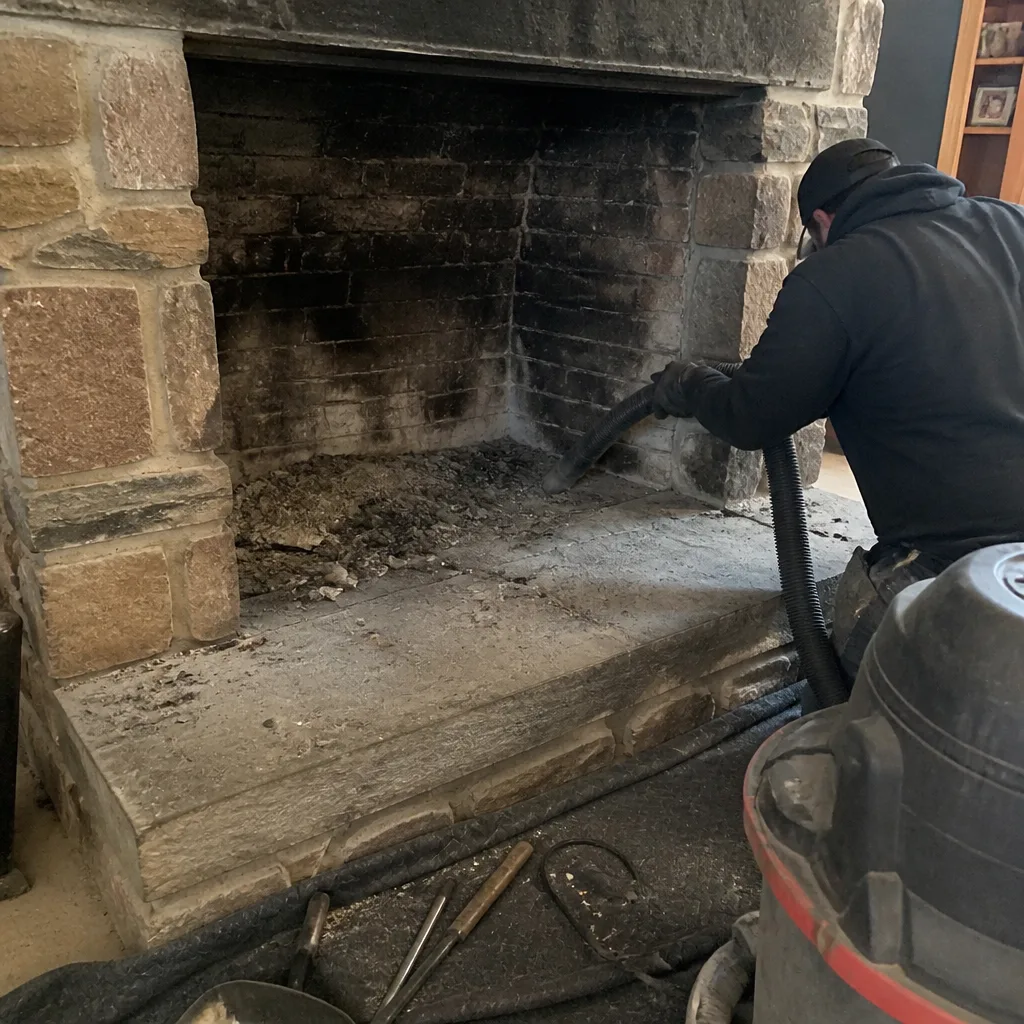 Before
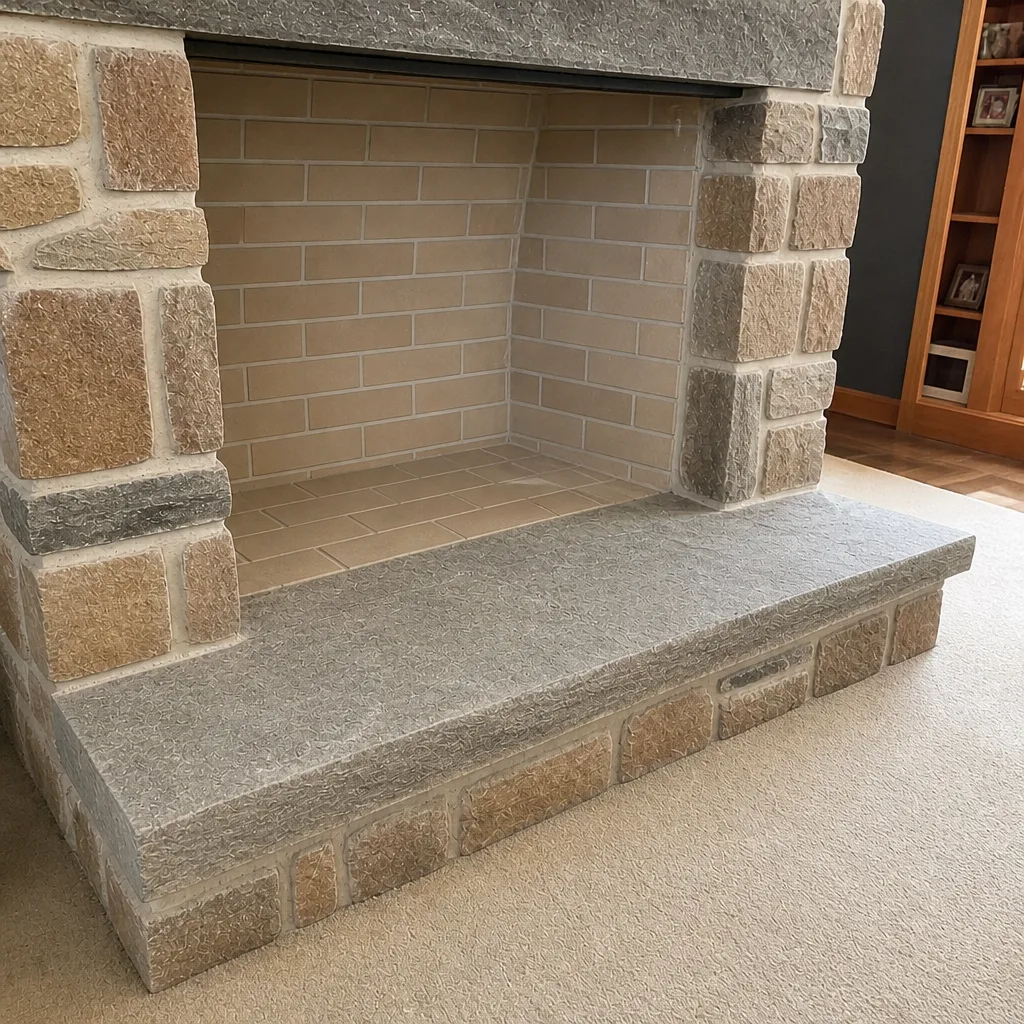 After
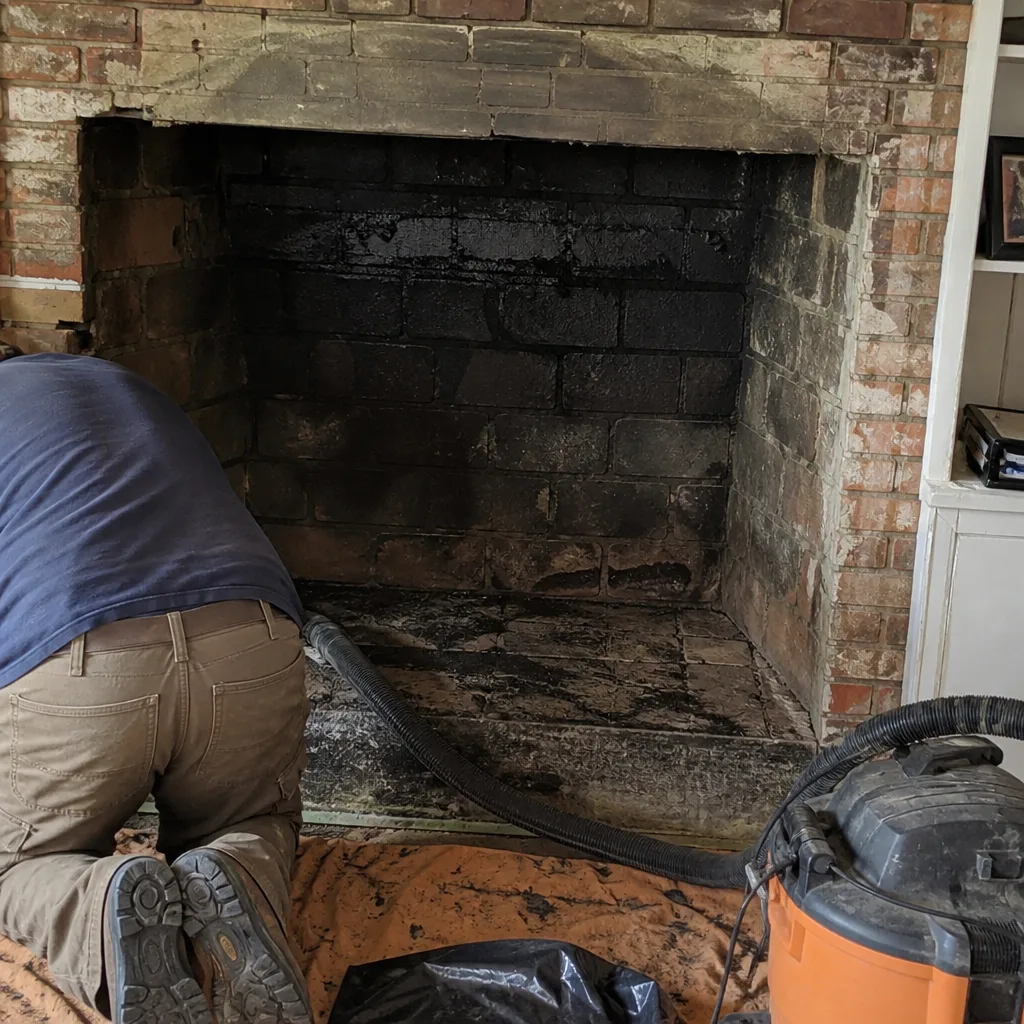 Before
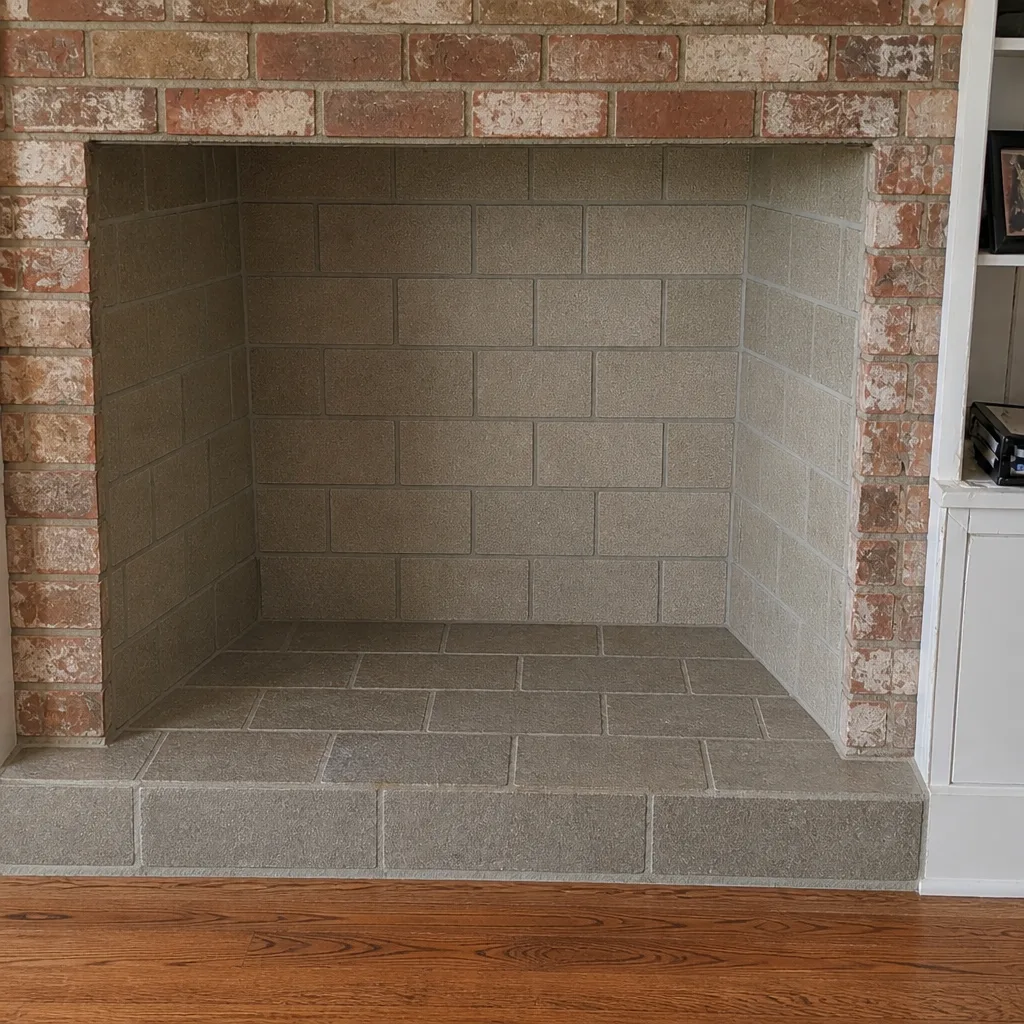 After
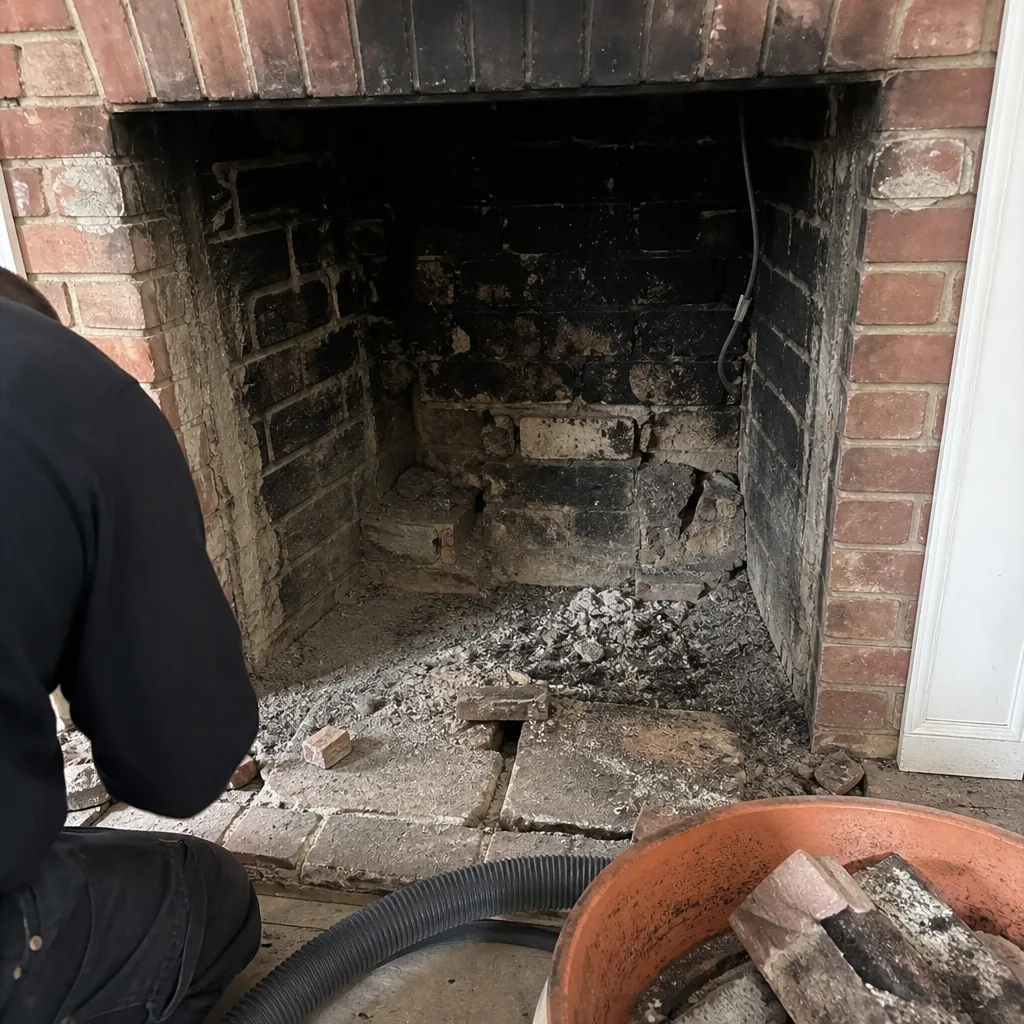 Before
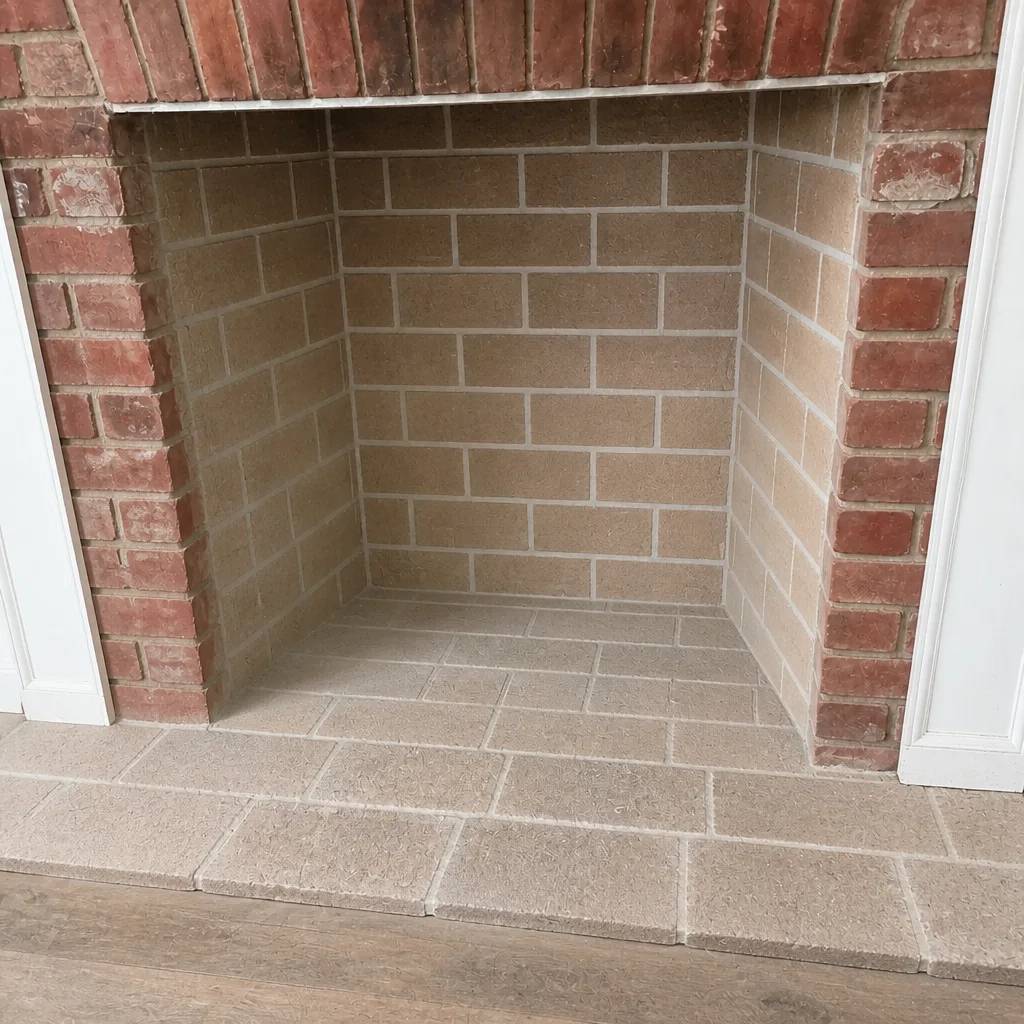 After