
Last updated November 25, 2026
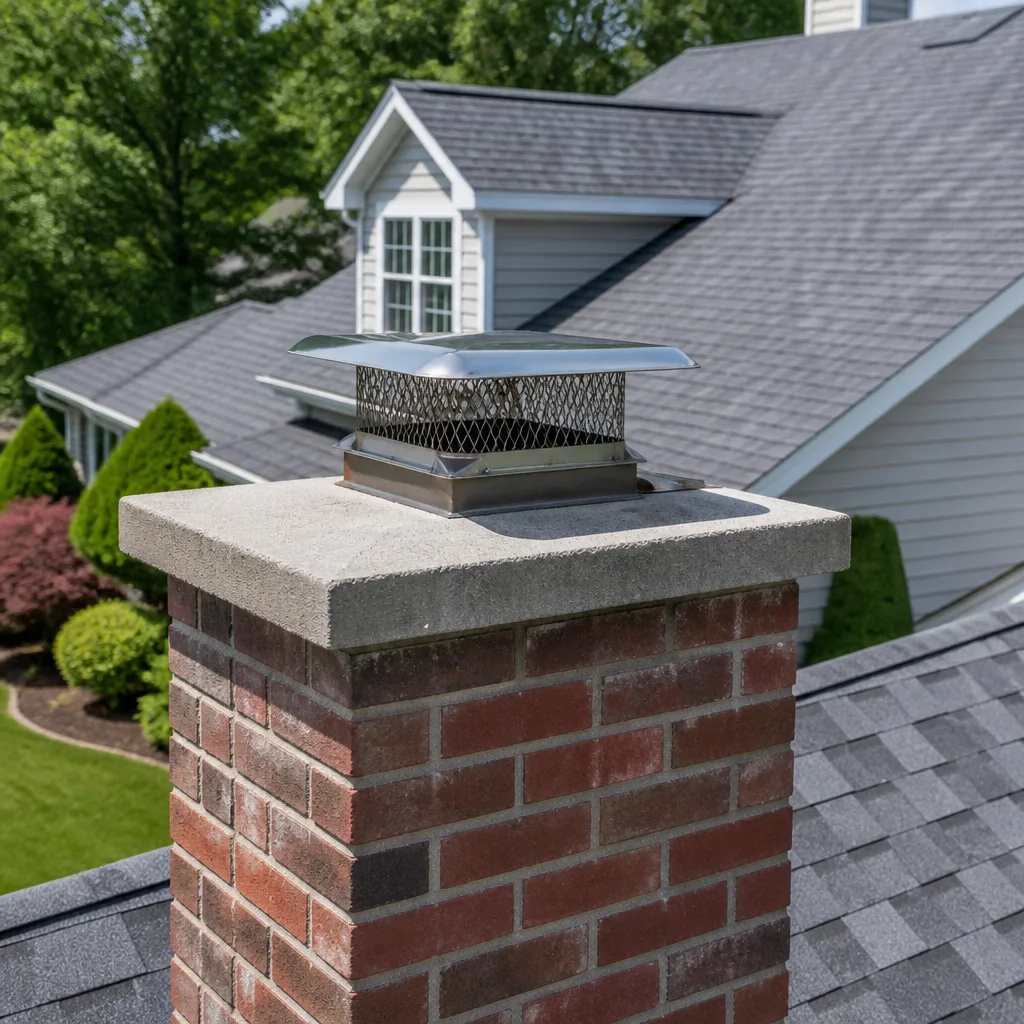 Sweep & inspection
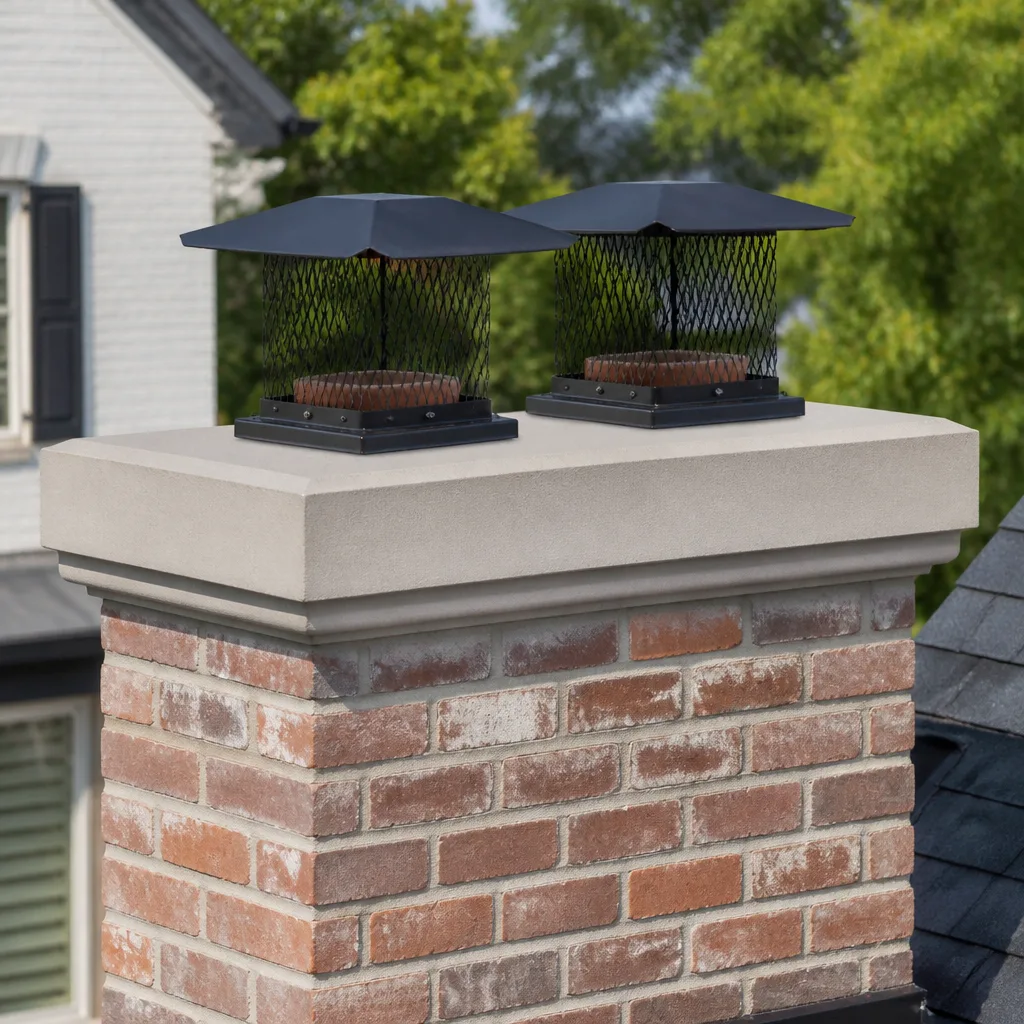 Caps & crowns
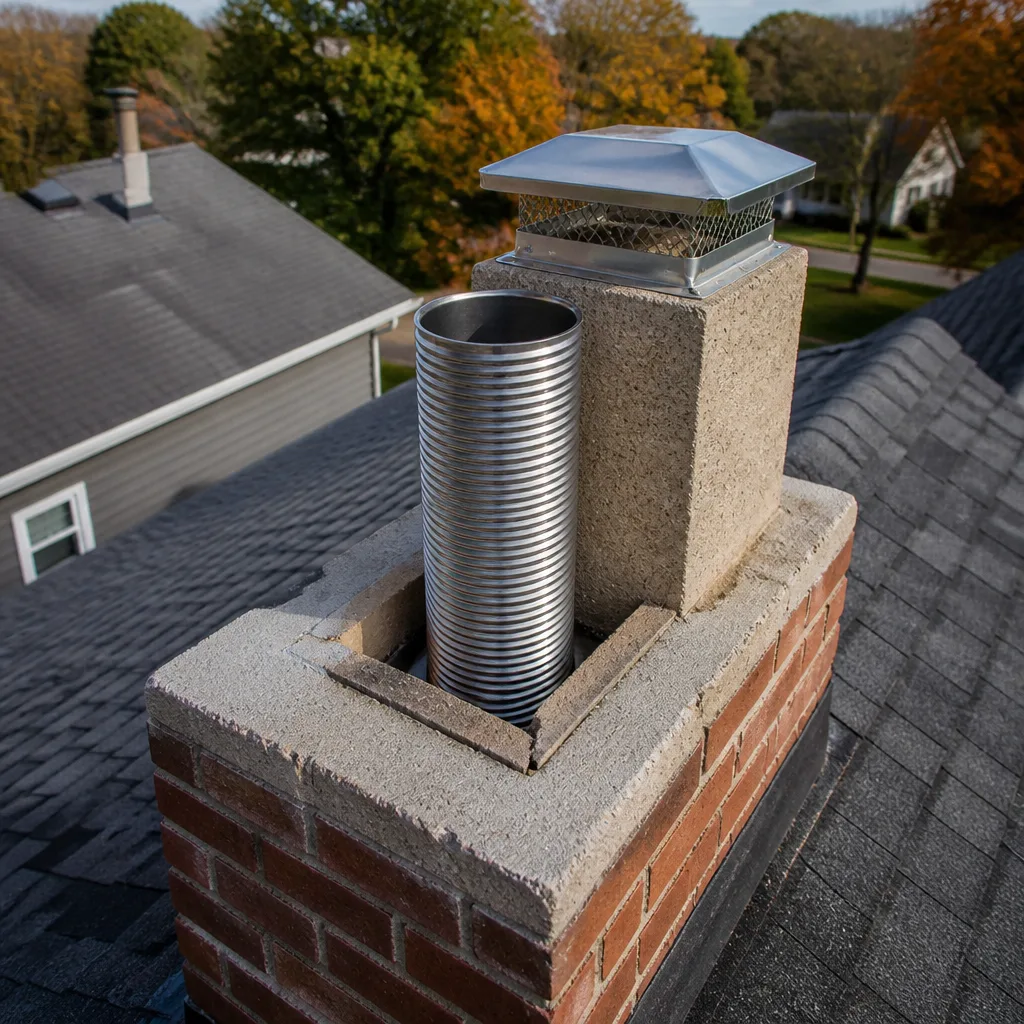 Flue relining
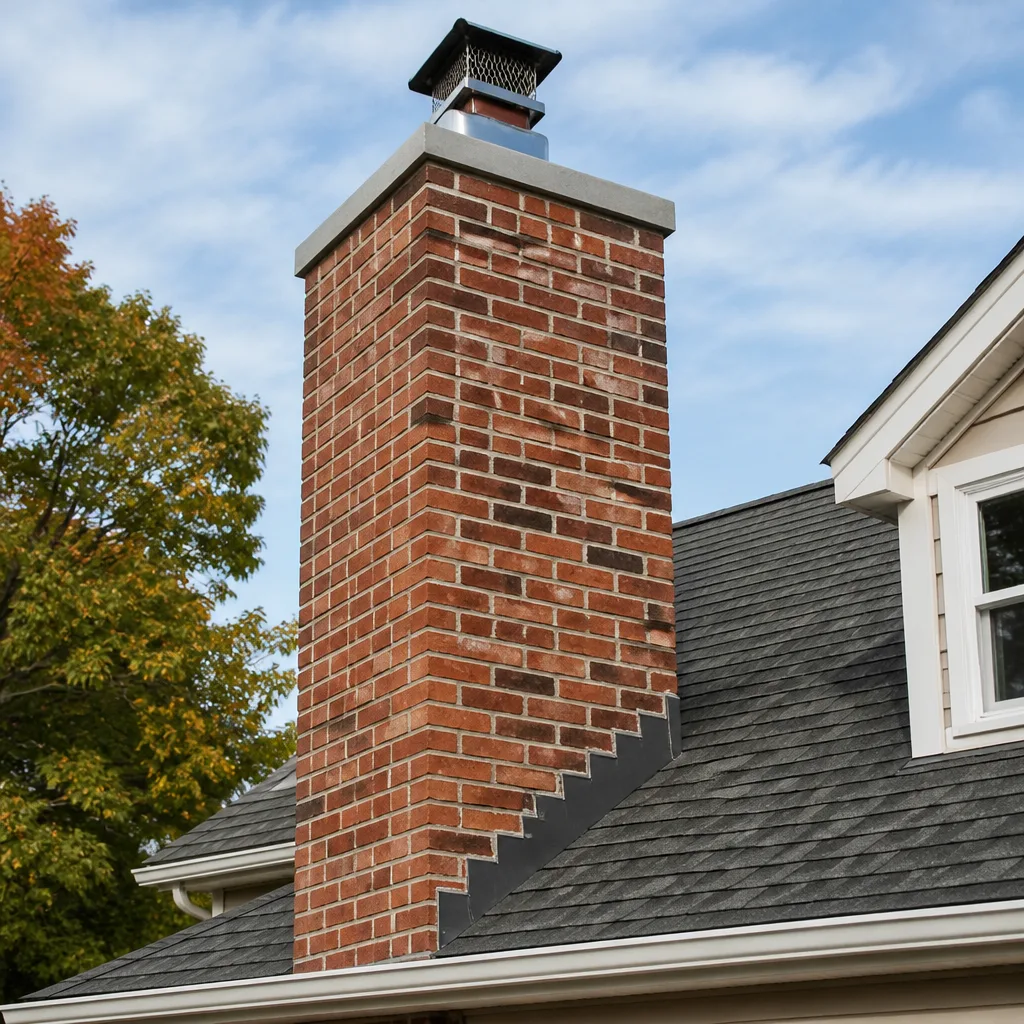 Masonry repair
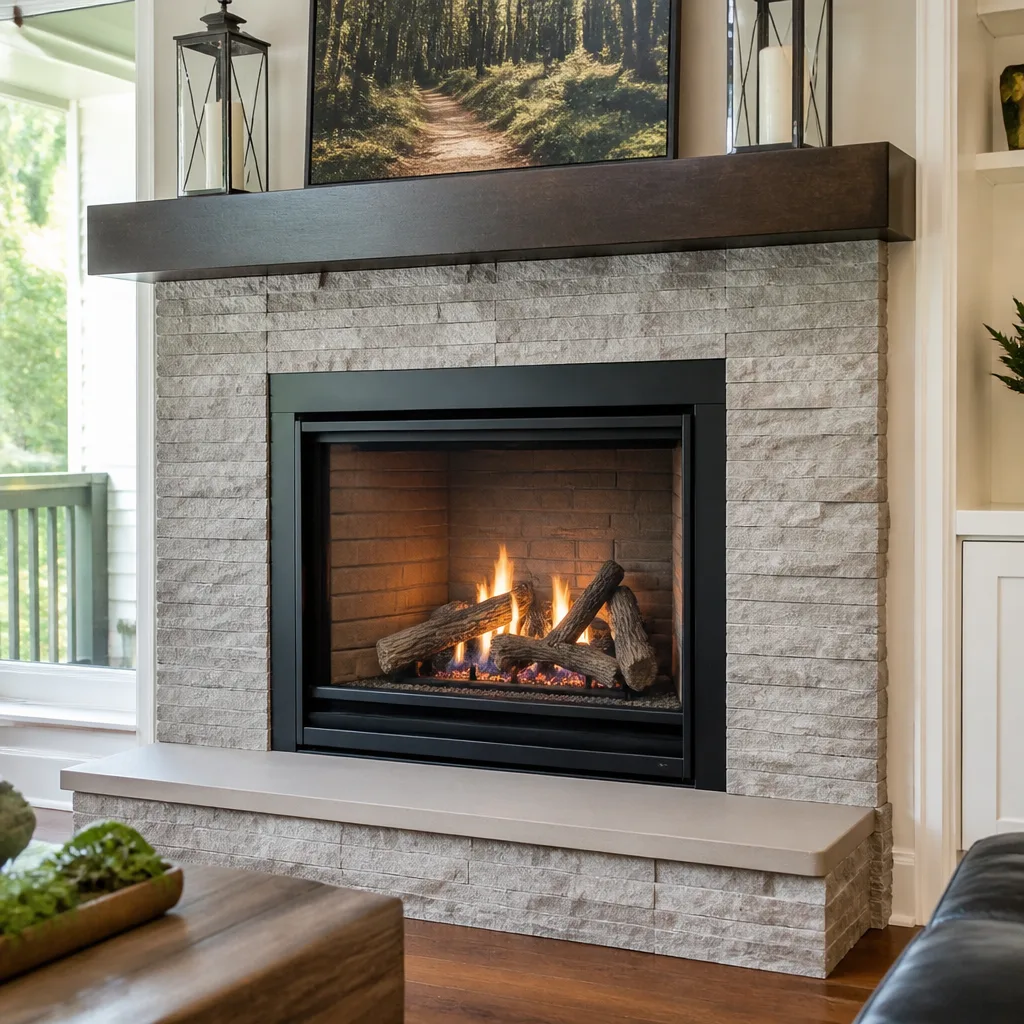 Gas fireplace service
Level 1 sweep and inspection to the NFPA 211 annual standard - flue, crown, cap, and flashing checked and photographed
Chimney sweep logs do not sweep chimneys. They loosen some creosote - which then falls where a brush and vacuum still have to collect it.
Chimney Cleaning Emergency Preparedness Guide for South Boston Homes
A chimney fire doesn’t always sound dramatic. Some burn slowly and quietly inside the flue for hours, drawing just enough air to keep smoldering in a creosote bed, and homeowners never know until a later inspection turns up a cracked liner or scorched framing. Others announce themselves with a roar like a freight train. The difference between a close call and a real loss usually comes down to what happens in the first five minutes. This guide walks South Boston homeowners through recognizing an active chimney fire, understanding carbon monoxide risk from flue problems, what to do while the fire department is on the way, and why a post-emergency inspection matters before you light another fire.
Quick Answer
If you suspect a chimney fire, call 911 first, get everyone out of the house, then close the damper and the glass doors if you can do it safely, and never throw water into a hot flue. After any chimney fire, a Level 2 inspection is required before the chimney is used again, and your insurer will typically ask for that inspection report. Most chimney emergencies in South Boston trace back to creosote buildup, a missing or damaged cap, or a flue that was never lined properly for the appliance connected to it.
Styles & brands we work with
- Sweep & inspection
- Caps & crowns
- Flue relining
- Masonry repair
- Gas fireplace service
Table of Contents
- How Do You Know If Your Chimney Is on Fire?
- What Should You Do in the First Five Minutes?
- Why Carbon Monoxide Deserves Its Own Alarm
- After the Fire: Why a Level 2 Inspection Comes Next
- Creosote Stages and When They Turn Dangerous
- Preventive Steps That Eliminate Most Chimney Emergencies
- What Makes South Boston Chimneys Different
- When a Chimney Problem Can Safely Wait
How Do You Know If Your Chimney Is on Fire?
A chimney fire is not one event with one appearance. It can be a fast, loud burn or a slow, quiet one that never gets loud enough to wake anyone. The quiet version is the one that catches people off guard, and it’s the reason we treat any unusual chimney behavior as worth a call. If you notice any of the signs below, assume it’s a chimney fire until a professional tells you otherwise.
Signs of an active chimney fire include:
- A roaring or rumbling sound, sometimes described as low-flying aircraft, coming from the flue
- Popping, cracking, or a rhythmic tapping inside the chimney
- Dense smoke or flames visible at the top of the chimney
- A strong, hot, tar-like smell inside the house
- Creosote flakes or pieces of liner material on the roof or in the yard
- Warped or discolored damper, smoke chamber, or cap components
- Smoke backing into the room despite an open damper
A slow-burning chimney fire may show none of these while it’s happening. By the time the signs appear, damage to the flue liner or adjacent framing may already be underway. That’s why the inspection after any suspected event matters more than the event itself. If you smell something burning that doesn’t match what’s in the firebox, or hear sounds coming from inside the chimney that don’t match a normal fire, get out and call 911. You can sort out the cause afterward. Our technicians have up to 11 years of experience reading the damage patterns these events leave behind, and the story a flue tells after a slow burn is usually clear.
What Should You Do in the First Five Minutes?
The first five minutes after you suspect a chimney fire decide how much of the house you keep. The goals are simple: get people out, deny the fire fuel and air, and let the fire department handle the rest. Do not try to fight a chimney fire yourself with water, a garden hose, or a fire extinguisher aimed up the flue. Water hitting a flue heated to extreme temperatures can crack the liner or, in the worst case, create a steam explosion.
Here’s the sequence to follow, in order:
- Call 911. State clearly that you believe the chimney is on fire. Do this before anything else, even if the fire seems small.
- Get everyone outside. People first, then pets if it’s safe. Close doors behind you as you leave to slow smoke spread.
- Close the damper if you can reach it safely. A closed damper starves the fire of air. If the firebox is too hot to approach or smoke is heavy in the room, leave it and get out.
- Close the glass doors on a fireplace or insert. Same principle: cut the air supply without putting yourself in harm’s way.
- Shut off the appliance. If a wood stove or insert is running, close its air controls on the way out.
- Check from outside. Once you’re safely outdoors, look at the chimney top. Visible flame or heavy smoke confirms the event and helps the fire department plan their response.
- Don’t re-enter. Wait for the fire department to clear the house, even if the fire appears out. Hidden heat in the framing is the real danger.
One thing not on this list: don’t call a chimney company before you call 911. An active fire is a fire department matter. Once the fire is out and the scene is clear, that’s when a specialist comes in to assess the damage and document it for you. South Boston’s older housing stock, much of it tightly packed rowhouse construction, makes getting out and staying out especially important. Fire can travel through shared walls and voids in ways that aren’t obvious from inside one unit.
Why Carbon Monoxide Deserves Its Own Alarm
Carbon monoxide is the silent half of chimney risk, and it’s the part most homeowners underestimate. A chimney’s job is to carry combustion gases up and out. When it fails at that job, whether from a blockage, a cracked liner, a reversed draft, or a disconnected flue pipe, those gases come back into the living space instead. Carbon monoxide has no color, no smell, and no taste, which is why a working CO alarm near the fireplace and near any furnace flue connection is not optional equipment.
Where chimney-related CO problems start:
- Blocked flues. Nests, fallen masonry, or heavy creosote can narrow or plug a flue. A blocked flue doesn’t just smoke, it can push CO into the room.
- Cracked or deteriorated liners. A gap in the liner lets gases escape into the chimney’s surrounding masonry and from there into the house.
- Unlined or improperly sized flues. An older flue built for a different appliance often doesn’t vent a modern insert or furnace correctly.
- Backdrafting. Negative pressure in a tight house can pull exhaust back down the chimney, especially when other exhaust fans are running.
- Disconnected or corroded flue pipe. Common on furnace and water heater connections where the vent connector has worked loose.
Place a CO alarm on every level of the home and in the rooms where people sleep. If your alarm sounds, treat it the way you’d treat smoke: get everyone outside and call 911. A CO alarm near the fireplace and near the mechanical room gives you warning at the two places chimney-related CO events most often start. During any chimney inspection, we check the flue for the conditions that produce backdrafting and check that appliance connections are intact. South Boston homes converted from one heating system to another over the years are especially prone to mismatched venting, and a mismatched flue is a CO risk that never announces itself until the alarm does.
After the Fire: Why a Level 2 Inspection Comes Next
Once the fire department clears the scene, the chimney is not automatically safe to use. A chimney fire can leave the flue liner cracked, the mortar joints inside the flue damaged, or the chimney’s exterior masonry compromised in ways you can’t see from the firebox. A Level 2 inspection is the standard next step, and it’s the inspection your insurance company will typically want before they process a claim.
A Level 2 inspection goes beyond what you can see from the hearth. It includes:
- A visual examination of the accessible portions of the chimney interior and exterior
- Video scanning of the flue to find cracks, gaps, spalling, and separated liner sections
- Documentation of the firebox, smoke chamber, damper, and flue connections
- An assessment of clearances to combustibles and the condition of the cap and crown
- A written report with photographs you can hand to your insurer
That report is the part homeowners most often forget to ask for. Insurance claims for chimney fires usually need documentation of the pre-existing condition and the post-event damage, and a report with photos does both. We show you what we find, including the video scan itself, so you’re not taking anyone’s word for a repair estimate. If the liner survived, the report says so in plain terms. If it didn’t, you’ll see the damage on screen before anyone talks about replacement.
The same logic applies to spotting a problem before it becomes an emergency. If your liner is showing early deterioration, HeatShield resurfacing can often restore a flue without a full liner replacement. That kind of preventive repair is only possible when someone actually looks, which is why a standalone chimney inspection is worth booking on its own schedule rather than as an afterthought to a cleaning.
Creosote Stages and When They Turn Dangerous
Most chimney fires start with creosote, and creosote doesn’t form all at once. It builds in stages, and the stage it reaches determines how easily it ignites and how hard it burns. Understanding the stages helps you judge when a cleaning can wait a little and when it can’t. Fires that burn cool, smolder, or use unseasoned wood generate more creosote than hot, clean burns, which is why the way you run a fireplace matters as much as how often you sweep it.
The three recognized stages:
- First-degree creosote. A light, flaky, soot-soft deposit that brushes off easily. This is the normal state of a flue between cleanings and is the stage you want to catch it in.
- Second-degree creosote. A crusty, hardened layer that clings to the flue wall and takes more than a brush to remove. At this stage, ignition risk climbs sharply.
- Third-degree creosote. A glazed, tar-like coating baked onto the liner. This is highly flammable and generally needs professional removal, sometimes with chemical treatment before sweeping.
The practical takeaway: don’t wait until you see or smell a problem. The National Fire Protection Association recommends chimneys be inspected annually and swept as needed. For most South Boston households burning regularly through the heating season, that works out to a sweep about once a year, ideally before the burning season starts. Heavy burners, or anyone burning unseasoned wood, may need it more often. A chimney sweep removes the fuel load before it can reach the stage where a stray ember or an overnight burn can set it off. That’s the entire point of a sweep. A clean chimney isn’t just about performance, it’s about not burning your house down.
Preventive Steps That Eliminate Most Chimney Emergencies
Almost every chimney emergency we encounter traces back to one of a handful of causes, and all of them are preventable. The list is short, and none of it is complicated. What it does require is attention at the right time of year, before the first cold night when everyone wants a fire and no one wants to schedule an inspection.
Work through this checklist ahead of burning season:
- Get the annual sweep and chimney inspection done before October. Scheduling early gives you time to complete any repairs before the first fire, instead of discovering a problem when you need the fireplace most.
- Check the cap. A missing, rusted, or damaged cap lets rain, birds, and debris into the flue. It’s the single most common cause of sudden blockages. Gelco and Famco caps are fitted to the flue, not dropped on generically, so they actually keep things out.
- Inspect the crown. The crown is the concrete cap at the top of the chimney that sheds water. A cracked crown lets water into the masonry, which leads to spalling, liner damage, and eventually structural problems. Crown repair is part of a whole-system approach to the chimney.
- Burn seasoned wood only. Unseasoned wood produces far more creosote and more smoke. Dry wood burns hotter and cleaner.
- Don’t overload the firebox. Big, smoldering fires generate more creosote than steady, moderate burns.
- Keep the damper and the appliance matched. A damper left partly open overnight wastes heat and increases creosote; a damper that doesn’t seal can let cold air and moisture into the flue.
- Test CO alarms. A quick monthly test confirms the alarms near the fireplace and mechanical room are actually working.
- Watch for early warnings. Smoke backing into the room, a smoky smell that lingers, or a fire that’s harder to start than it used to be all point to a developing blockage or draft problem.
Chimney caps and crowns are where prevention most often breaks down, because the damage is at the top of the house where no one looks. Repairing them isn’t glamorous work, but it’s the difference between a chimney that stays dry and one that slowly takes on water all winter. Our chimney cap & crown work covers both, along with the flashing and masonry around them.
What Makes South Boston Chimneys Different
South Boston’s housing stock puts specific pressures on chimney systems that homeowners elsewhere don’t face in the same way. Much of the neighborhood’s housing was built in the late nineteenth and early twentieth centuries, when chimneys were constructed for coal or for multiple fireplaces rather than a single wood-burning insert. That history matters when you’re evaluating a flue today.
What we commonly find in South Boston homes:
- Multiple flues in one stack. Older rowhouses often have several flues serving different fireplaces and appliances. If one is active and another is abandoned, the abandoned flue can let moisture and cold air into the chimney structure. Capping unused flues with a fitted cap solves it.
- Unlined or clay-tile-only flues. Many of these flues were built before modern liner requirements and don’t have a stainless liner suitable for a wood-burning insert. A DuraFlex liner system is the standard fix for a flue that’s deteriorated or unlined.
- Shared walls and tight lots. Rowhouse construction means a fire in one unit can spread into shared voids with little warning. That’s why getting out and calling 911 promptly matters more here than in a detached home.
- Converted heating systems. Homes that switched from coal to oil to gas over generations frequently have vent connections that no longer match the current appliance, which raises backdraft and CO risk.
- Small lots and close rooflines. Access for cap and crown work, and for inspection of the chimney top, is often tighter than on a suburban house. It’s one more reason to have a specialist who works on chimneys every day rather than a generalist.
None of this means every South Boston chimney is in trouble. It means the local baseline is different, and the inspection has to be done with that in mind. A flue that looks fine from the hearth can still have a cracked crown, a mismatched liner, or an abandoned flue pulling moisture into the masonry. The fireplace itself often tells the story early: a smoky firebox, a fire that won’t draw, or a smell that lingers after the fire’s out. That’s usually a job for fireplace repair rather than a sweep, and knowing which you need is exactly what the inspection is for.
When a Chimney Problem Can Safely Wait
Not every chimney issue is an emergency, and telling you which is which is part of the job. A cracked crown on a dry chimney, a cap that’s a little loose, or a flue that’s ready for its annual sweep can all be scheduled without panic. What matters is knowing the difference, and knowing it from evidence rather than from someone’s sales pitch.
These situations can generally be scheduled without urgency:
- A routine annual sweep and inspection, done before burning season
- A crown showing minor cracking, as long as water isn’t getting into the masonry
- A cap that’s intact but slightly out of position
- Light first-degree creosote build-up between cleanings
- A fireplace that works but draws a little sluggishly in certain weather
These need prompt attention:
- Any suspected chimney fire, even one that seemed minor
- Smoke backing into the room during normal use
- A CO alarm that has sounded, until the cause is found
- Visible damage to the liner, firebox, or smoke chamber
- Water staining on the chimney breast or masonry spalling
The honest answer to “do I need thousands of dollars of liner work?” is: only if the camera shows it. We don’t recommend a repair without video evidence you can see for yourself, and we’ll tell you plainly when a problem can safely wait until the next scheduled visit. That’s why we offer a standalone chimney inspection as its own service, not just a step in a sales process. You should be able to get a clear picture of your chimney’s condition without committing to repairs on the spot.
Common Mistakes to Avoid
- Waiting to call 911 until you’re sure. A slow-burning chimney fire can look almost normal, but it’s still a fire. If you suspect it, call before you investigate further. The fire department would rather show up to a false alarm than arrive late.
- Throwing water down a hot flue. A thermal shock like that can crack the liner, and in the worst case it can cause a steam explosion. Close the damper and get out instead.
- Skipping the inspection after a chimney fire. The fire department puts out the fire, not the damage. Without a Level 2 inspection, you don’t know if the liner is intact, and your insurer will want the report.
- Treating a CO alarm like a nuisance. A CO alarm near the fireplace isn’t overreacting. If it sounds, get everyone out and call 911. The cause could be a blocked flue, a cracked liner, or a loose appliance connection, and none of those fix themselves.
- Going years between sweeps. Creosote at the second and third stage is a serious ignition risk. The annual inspection is the cheapest way to catch it before it becomes a problem.
- Ignoring a missing or loose cap. The cap is the first line of defense against blockages. Small animals, rain, and debris get in the minute it’s gone. Gelco and Famco caps fit the flue properly rather than sitting loosely on top.
- Letting a general contractor handle a chimney. Chimney work has its own tools, its own codes, and its own failure modes. A contractor who mostly does kitchens and bathrooms can’t video-scan a flue or properly size a liner. That’s a job for a chimney specialist.
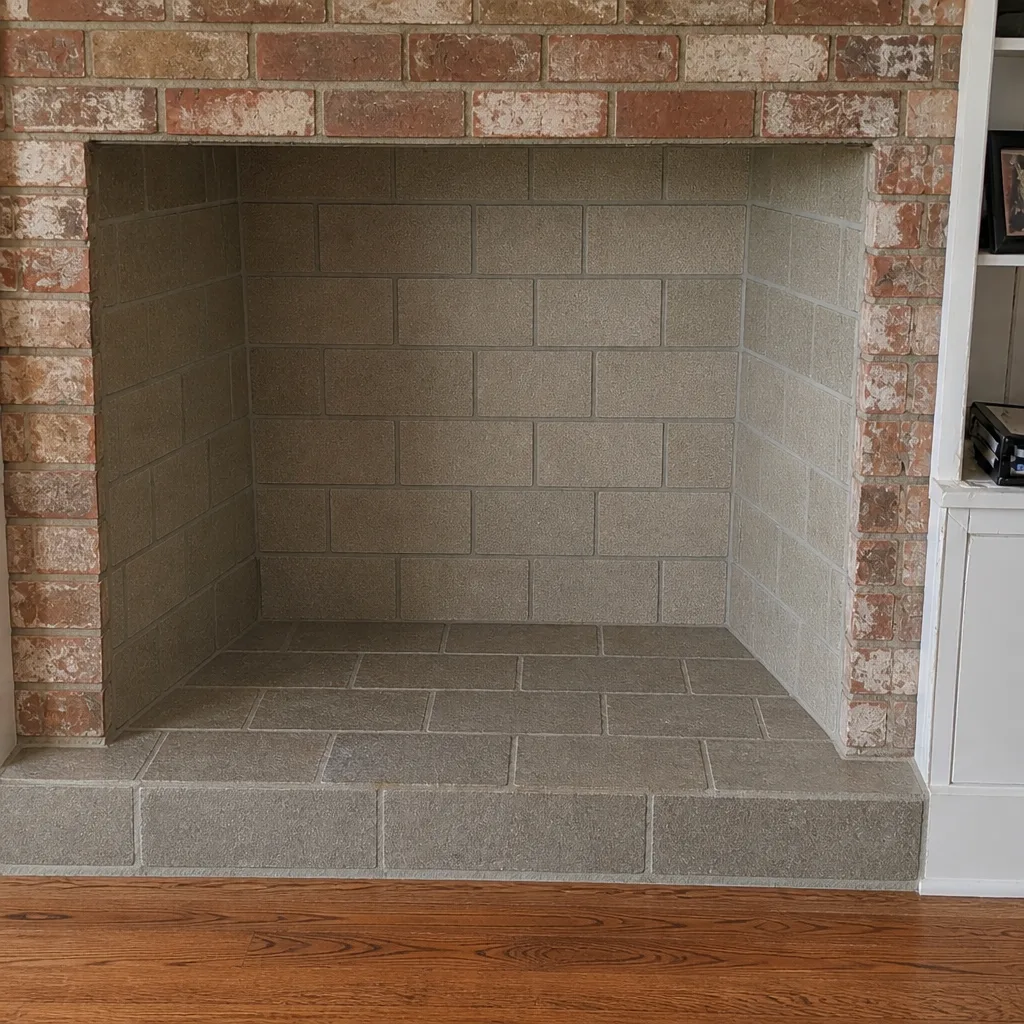
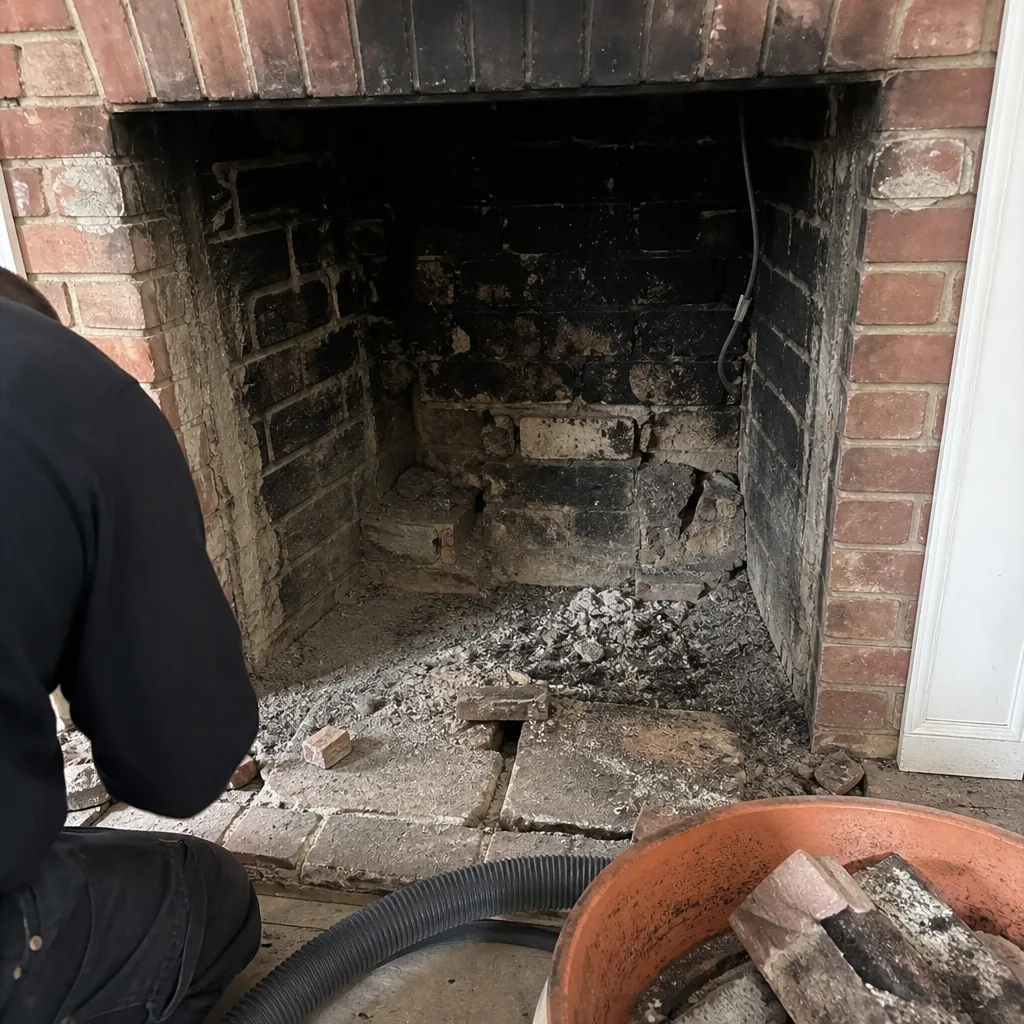
See the difference
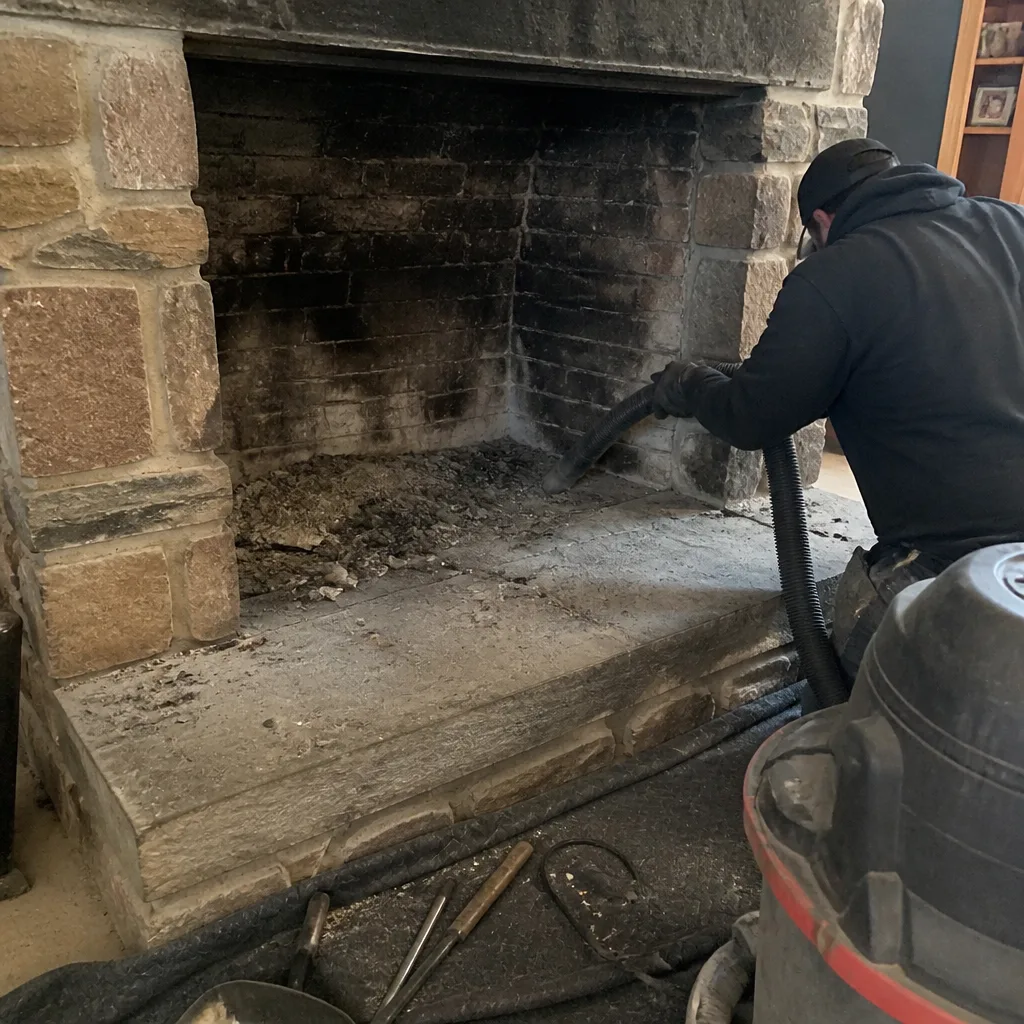 Before
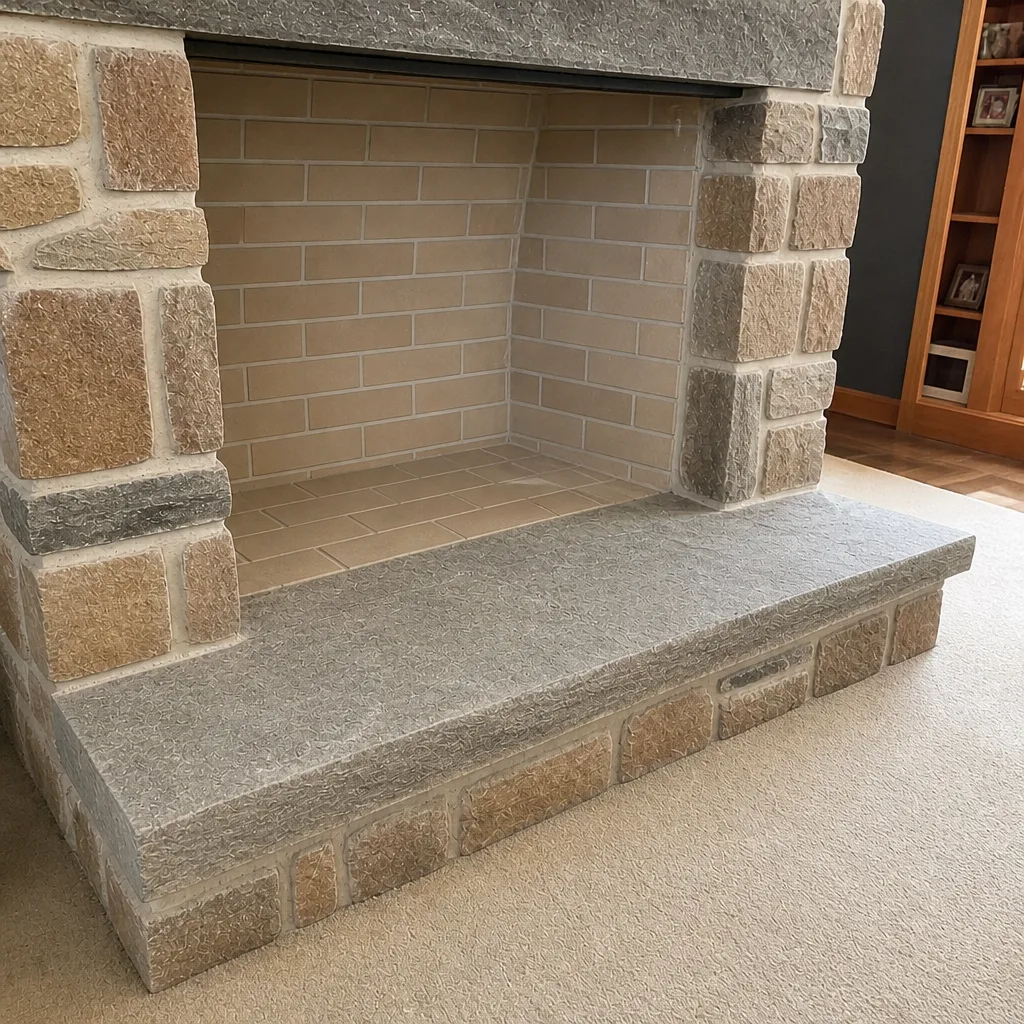 After
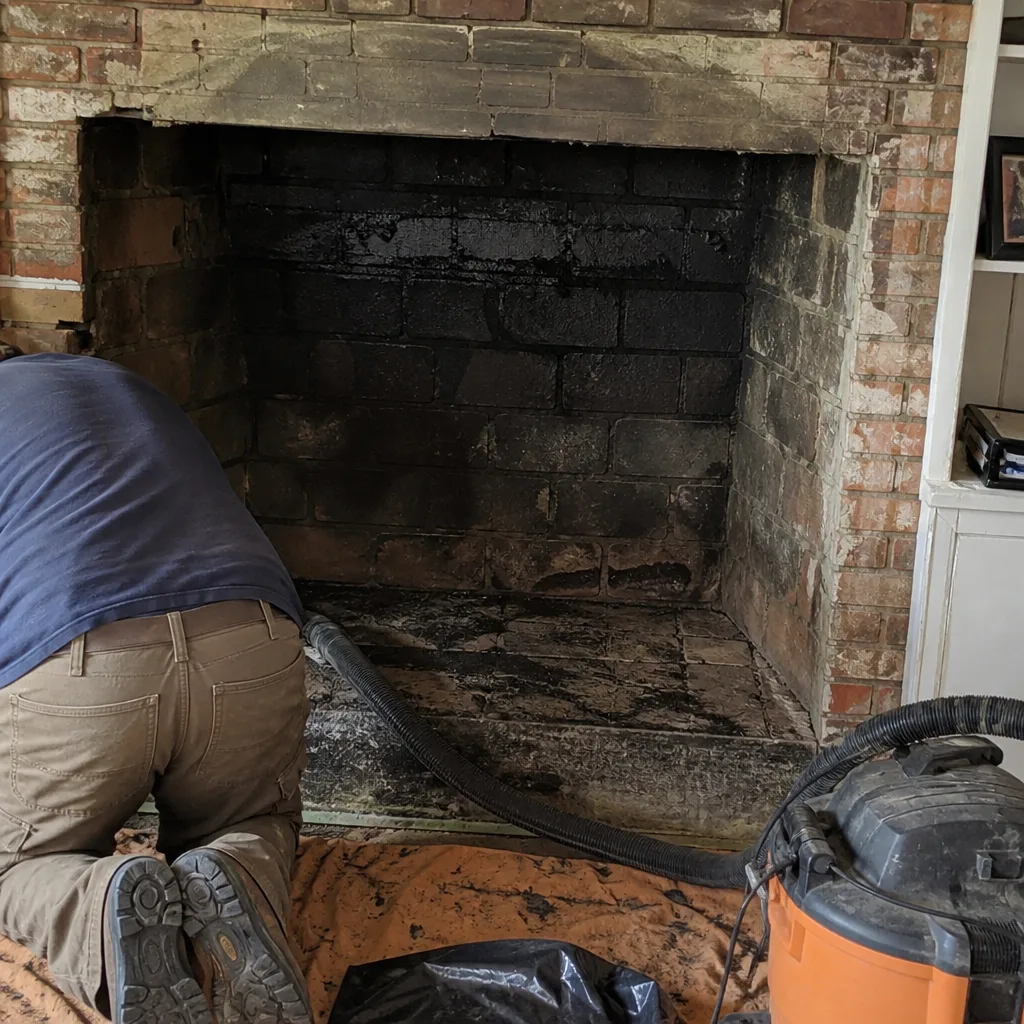 Before
 After
 Before
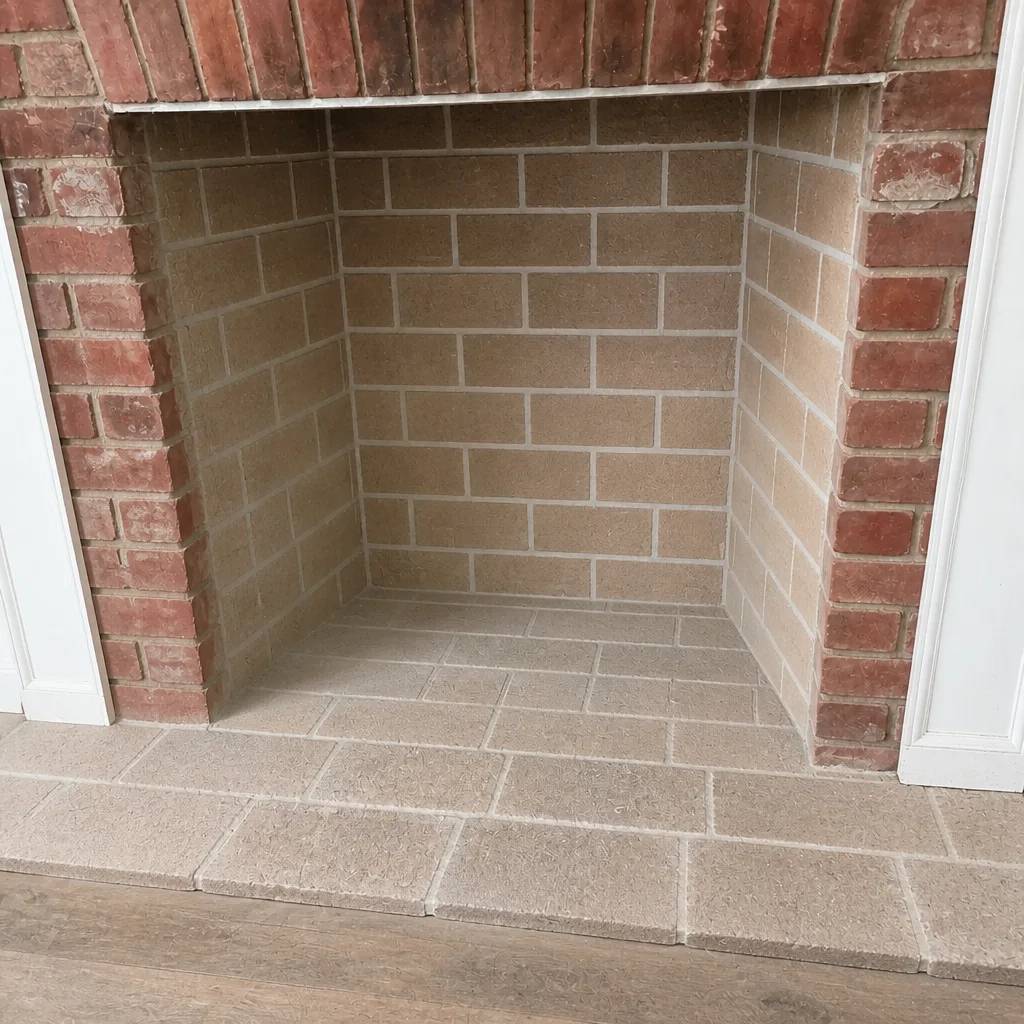 After
When to Call a Professional
Call a professional after any suspected chimney fire, before lighting the first fire of the season, and any time you notice smoke backing up, a persistent smell, or a CO alarm. Call before the first cold snap if you’ve never had the chimney inspected, and call if you’ve bought a South Boston home and don’t know the condition of its flue or the history of its fireplaces. If a cap is missing or the crown is cracked, call before the next rain because water damage compounds quickly. All of these are reasons to book an inspection, not to panic. Chimney Sweep South Boston offers free estimates in South Boston. Call (855) 550-7472. We answer 24/7. Fast dispatch from 7am to 7pm, Sunday through Friday.
Frequently Asked Questions
Call 911 first, then get everyone out of the house. Once you’re safe, close the damper and glass doors if you can reach them without risk, and never throw water into a hot flue. Wait for the fire department to clear the house before re-entering. Call (855) 550-7472 after the scene is clear to book the inspection the fire department will recommend.
Most South Boston homes burning regularly should have the chimney inspected annually and swept as needed, which for most households means about once a year. The NFPA recommends an annual inspection regardless of how much you burn, and heavy users or anyone burning unseasoned wood may need it more often. Booking before the heating season avoids the rush. Call (855) 550-7472 for an exact quote; estimates are free.
We don’t quote a fixed price for an inspection because the cost depends on the scope of the check and what we find. The estimate is free, the price is set per job by the written estimate, and nothing gets added after you’ve agreed to the work. Call (855) 550-7472 for a written estimate.
Not always. Whether you need a new liner depends entirely on what the inspection shows. A liner that survived the fire intact can usually stay in service. A liner with cracks, gaps, or separated sections is a real safety problem, and that’s what a video scan is for. We don’t recommend a repair without video evidence you can see for yourself, and when a full replacement isn’t necessary, HeatShield resurfacing can often restore the flue. Call (855) 550-7472 to book an inspection.
Creosote builds up in stages, and the longer it sits, the more flammable it becomes. First-degree creosote is soft and brushes off easily; third-degree creosote is glazed and tar-like, and it can ignite from a stray ember. A blocked or restricted flue also raises carbon monoxide risk. Skipping a sweep doesn’t fail all at once; it just moves you closer to the stage where a chimney fire is possible. Call (855) 550-7472 to get it cleaned before the season starts.
South Boston’s older rowhouses often have multiple flues in one stack, some of them unlined or clay-tile only, and heating systems that have been converted from one fuel to another over the years. That combination means mismatched venting, abandoned flues, and liners that may not be suited to a modern wood-burning insert. A general contractor usually won’t scan a flue or size a liner correctly. A dedicated chimney specialist will. Call (855) 550-7472 to schedule a chimney inspection and see exactly what your flue needs.
The Bottom Line
Chimney emergencies follow patterns. Fires start in creosote, carbon monoxide comes back through failed or blocked flues, and blockages usually start at a missing or damaged cap. In South Boston, the age and rowhouse construction of the housing stock makes those patterns more likely and more consequential. The first five minutes after a suspected chimney fire are the ones that count, and that means calling 911 before anything else. The steps that prevent most emergencies are simple: an annual sweep before burning season, a cap and crown that actually work, and a CO alarm near the fireplace and the furnace flue. If you’re not sure of your chimney’s condition, an inspection with a video scan settles it with evidence you can see.
Chimney Sweep South Boston is a chimney-only specialist covering the full system, from cap and crown at the top to firebox, smoke chamber, and liner below. Our technicians have up to 11 years of experience, and we work with professional-grade brands including DuraFlex, HeatShield, Gelco, Olympia Chimney, Famco, and Copperfield so the repair matches the problem. We show you what we find, and we tell you honestly when a problem can wait. Call (855) 550-7472 for a free estimate. We answer 24/7. Fast dispatch from 7am to 7pm, Sunday through Friday.
Written by the team at Chimney Sweep South Boston.