
Last updated November 25, 2026
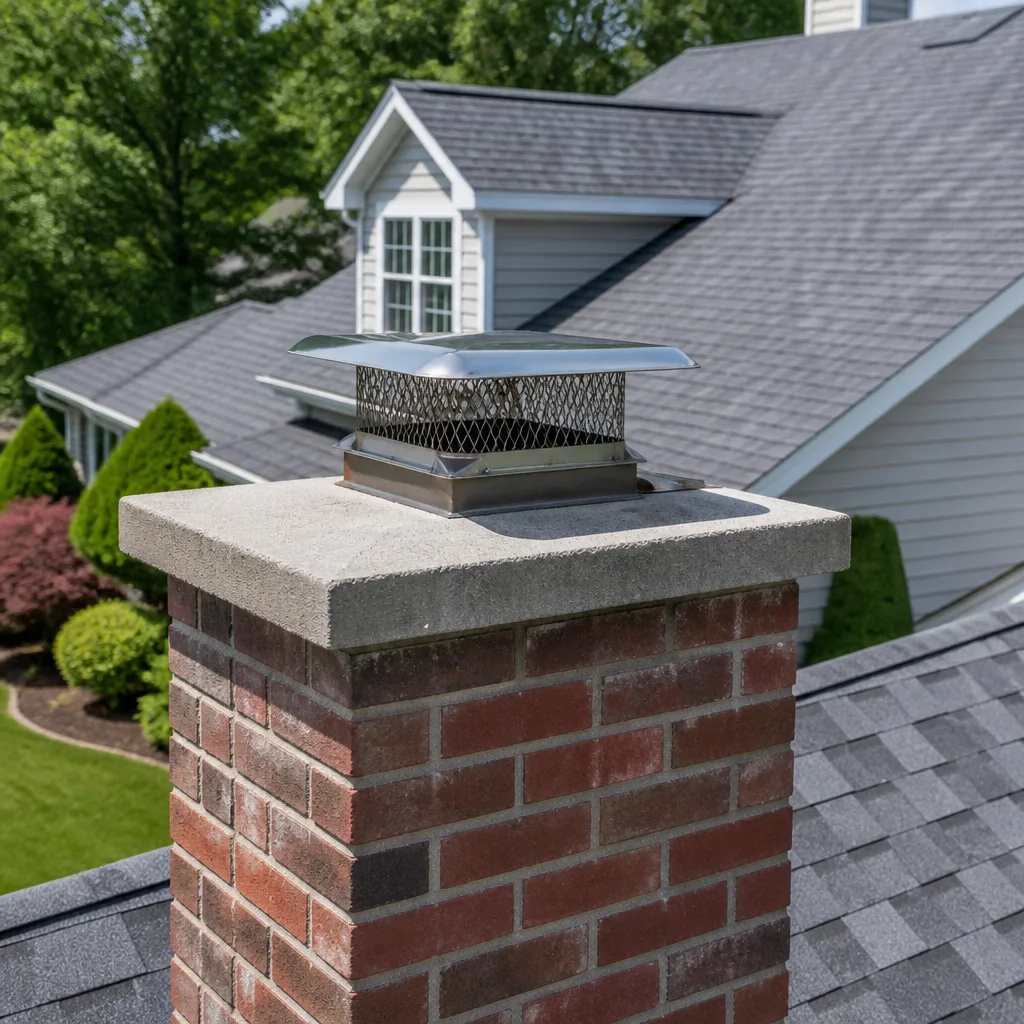 Sweep & inspection
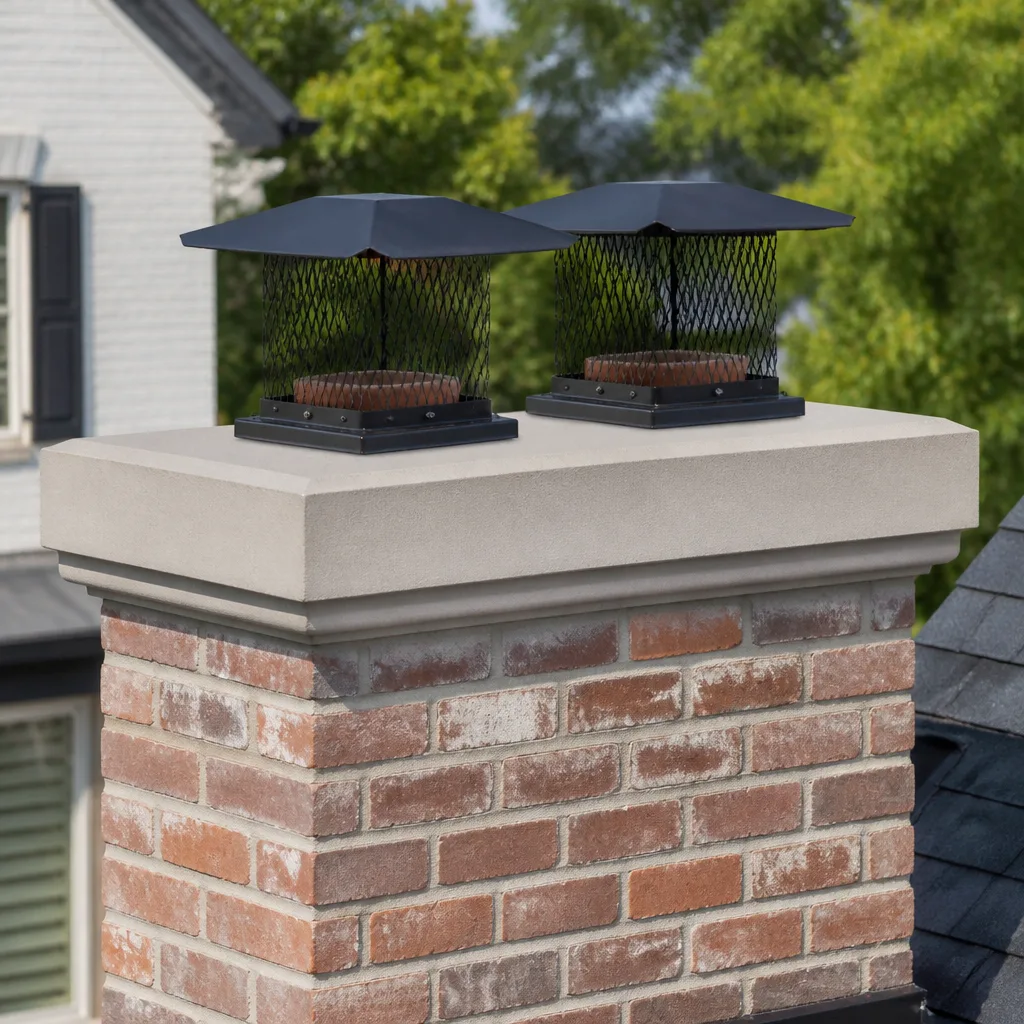 Caps & crowns
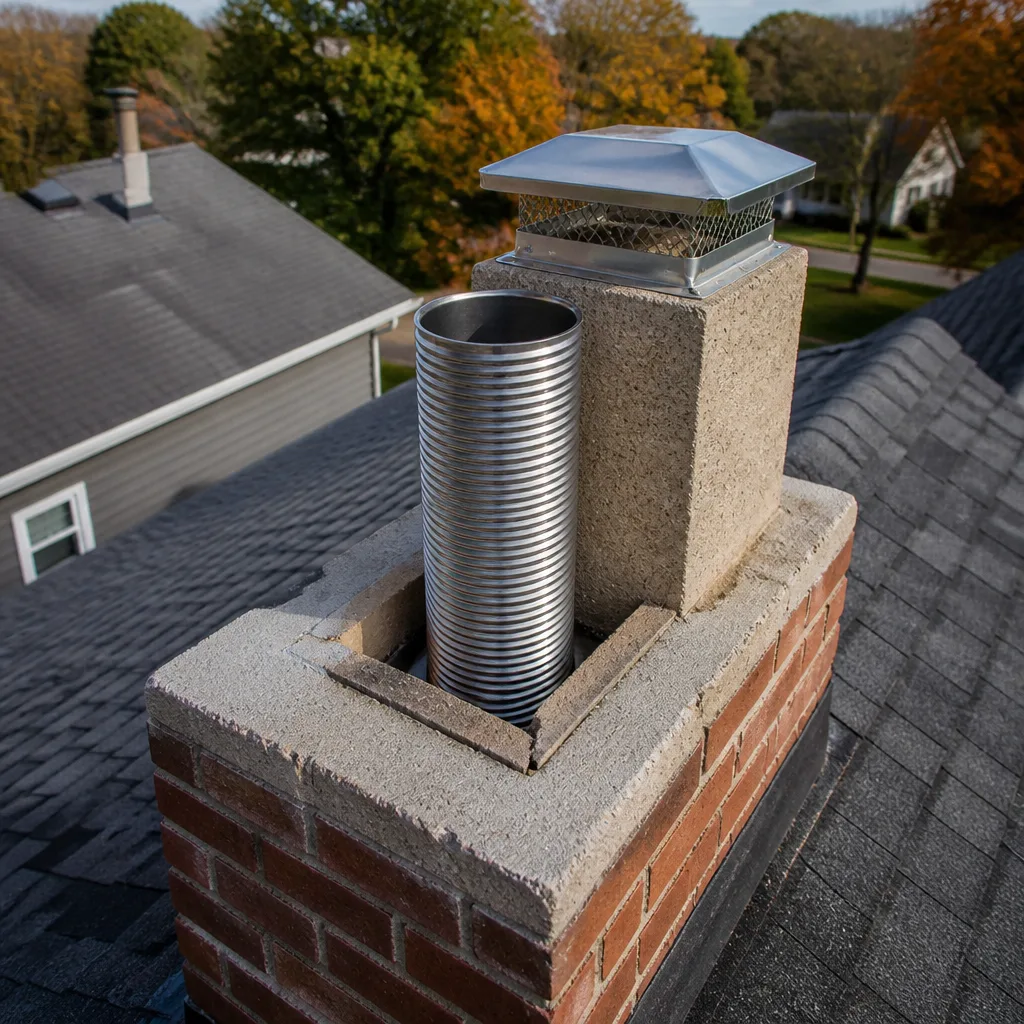 Flue relining
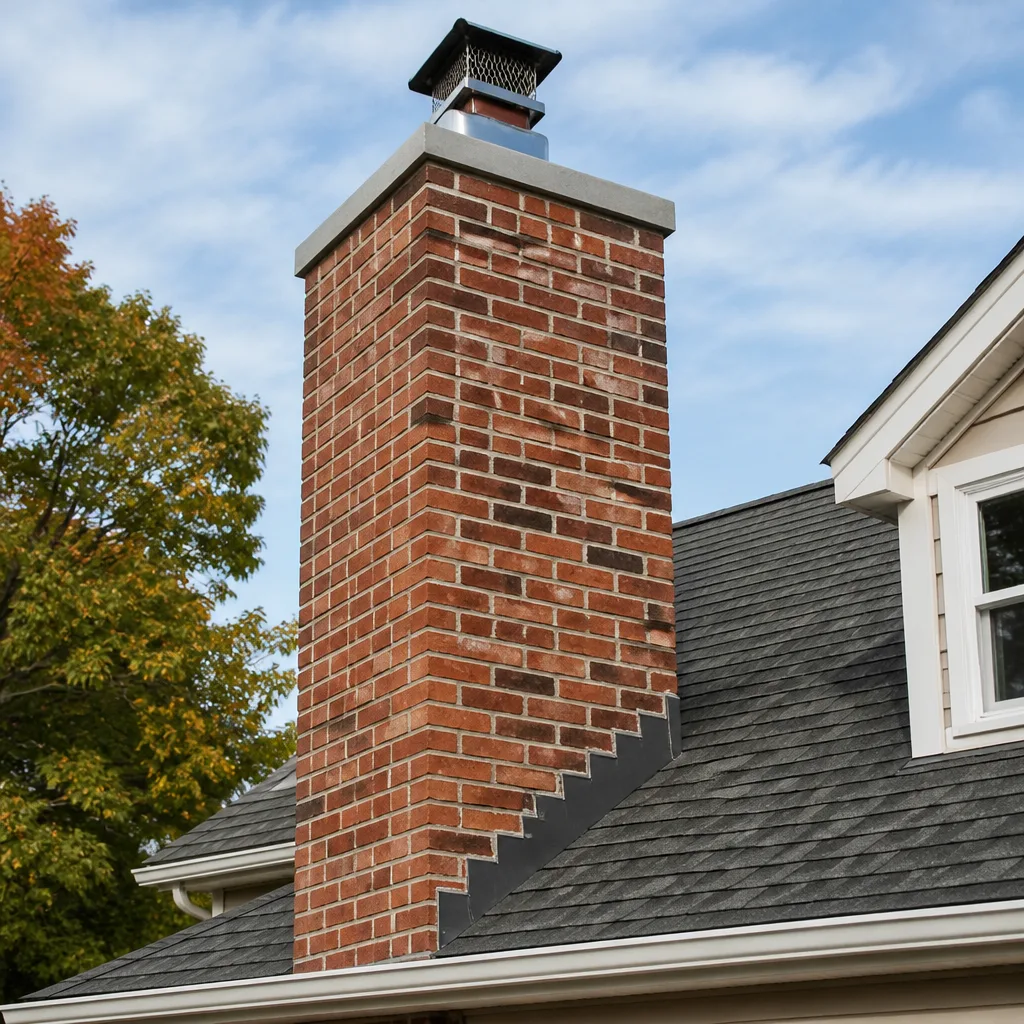 Masonry repair
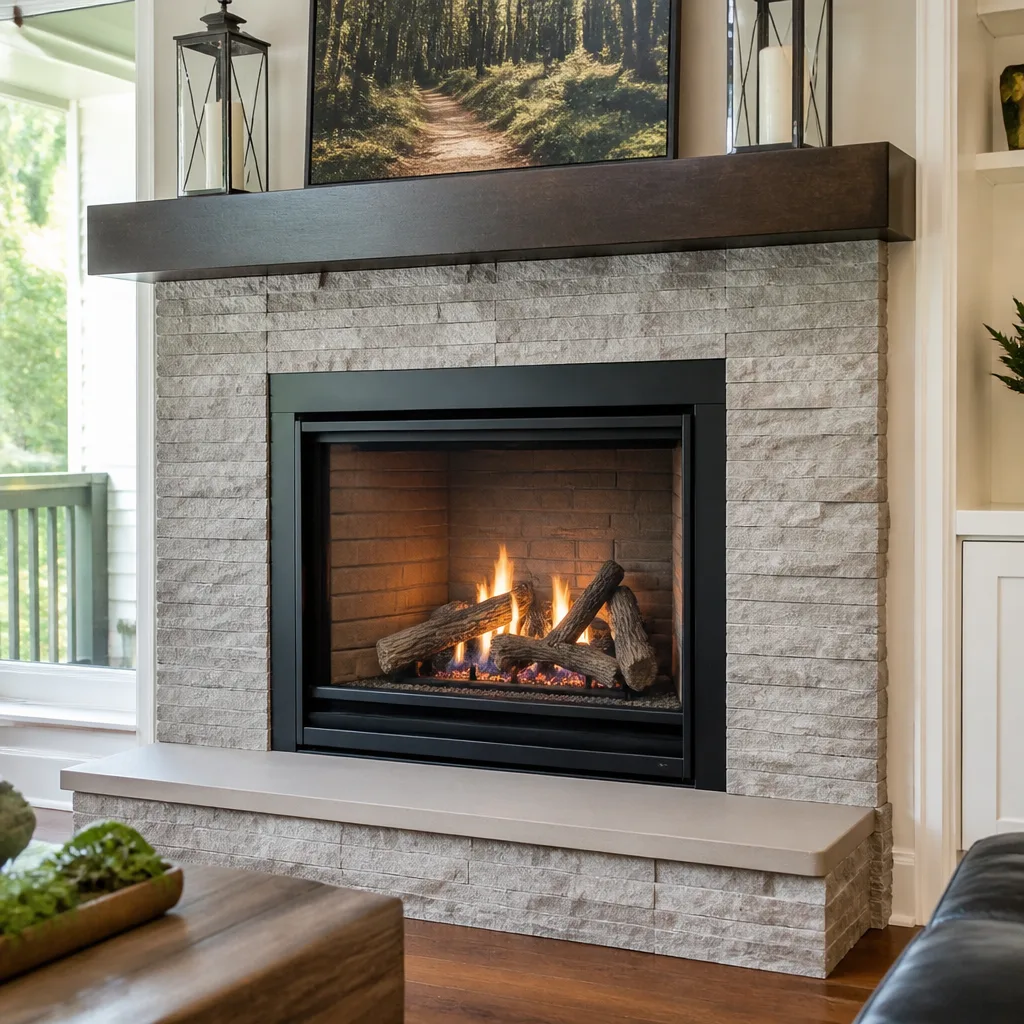 Gas fireplace service
Level 1 sweep and inspection to the NFPA 211 annual standard - flue, crown, cap, and flashing checked and photographed
Chimney sweep logs do not sweep chimneys. They loosen some creosote - which then falls where a brush and vacuum still have to collect it.
Chimney Cleaning Warning Signs: A South Boston Homeowner’s Reference Guide
Most homeowners assume a chimney problem announces itself with smoke rolling into the room or a visible crack in the brick. It usually doesn’t. The first signal is often a smell you can’t quite place, a faint white stain on the outside masonry, or a fire that’s suddenly harder to light than it used to be. Here’s the part worth sitting with: a strong wood-smoke smell in your living room on a windy day isn’t a draft quirk. It’s your chimney telling you something is wrong with its seal, liner, or cap. This guide teaches you to read your own chimney between professional visits, so you know what you’re looking at and when it matters. We’ll cover the signs you can smell, see, and feel, and separate the ones you can watch from the ones that mean stop burning now.
Quick Answer
Chimney warning signs fall into four groups: smells (creosote, moisture, animal intrusion, exhaust backdraft), exterior visuals (white staining, spalling brick, rust streaks), interior visuals (staining near the firebox, a damper that won’t seal, cracked smoke chamber), and performance issues (smoking into the room, slow fire startup, poor draw). Signs of smell and staining mean get an inspection soon. Smoke rolling into the room, cracked interior masonry, or a strong creosote odor combined with a struggling fire mean don’t light another fire until a professional has looked at it.
Styles & brands we work with
- Sweep & inspection
- Caps & crowns
- Flue relining
- Masonry repair
- Gas fireplace service
Table of Contents
- Why Warning Signs Show Up Before the Damage Does
- Smell-Based Warning Signs: What Each Odor Is Telling You
- Reading the Outside of Your Chimney
- Interior Warning Signs You Can Spot Yourself
- Performance Signs: What a Struggling Fire Implicates
- Which Signs Mean Watch and Which Mean Stop
- How a Professional Inspection Actually Works
- A Seasonal Checklist for South Boston Homes
Why Warning Signs Show Up Before the Damage Does
Chimney deterioration is slow and cumulative, which is exactly what makes it easy to miss. Creosote builds up in thin layers over many fires. Moisture works its way into masonry over repeated freeze-thaw cycles. A mortar joint inside the flue cracks a little more each season. None of these things happen overnight, and none of them produce dramatic symptoms until they’ve been developing for a while. That’s the useful part: the early signals are quiet, but they’re there.
In South Boston, the cycle runs on our climate. Cold winters, real temperature swings, and a lot of older masonry housing stock mean brick and mortar get worked hard from fall through spring. A chimney that’s shedding moisture or has a hairline crack in the crown will show it faster here than in a milder place, because water gets into that crack, freezes, expands, and opens it further. By the time a homeowner notices something obvious, the small problem has usually had a few winters to grow.
This is why a warning-signs guide is worth having even if you get an annual chimney inspection. A professional visit catches what you can’t see. Your own eyes and nose catch the changes between visits, and early changes are the cheapest ones to fix. The homeowner who calls when they first notice white staining pays for a crown repair. The homeowner who calls after the brick face has started spalling pays for masonry work. Same chimney, different timing.
One more reason signs matter: a clean chimney isn’t just about performance. It’s about not burning your house down. Creosote is flammable, and a heavy enough deposit in a hot fire can ignite. A professional chimney sweep removes that fuel load. Knowing the signs that point to creosote buildup keeps you from running a fire you shouldn’t be running at all.
Smell-Based Warning Signs: What Each Odor Is Telling You
Smell is the most underrated diagnostic tool a homeowner has. Different odors point to different problems, and once you know the vocabulary, you can read a chimney just by standing near it. Here’s what the common smells mean.
Creosote: the campfire-and-tar smell
Creosote has a sharp, smoky, sometimes tarry odor that hangs around when there’s no fire burning. If your fireplace room smells like a cold campsite even when you haven’t burned anything in days, creosote deposits have built up enough to be noticeable. That’s your cue to get swept. Heavier buildups smell stronger, and this is the deposit that carries fire risk, so a persistent smell is one of the signs worth acting on rather than watching.
Moisture: the musty, damp, old-basement smell
A musty smell, especially after rain, usually means water is finding its way into the chimney system and not escaping. This is common when a chimney cap & crown has cracked or a cap is missing or damaged. Water in masonry is the setup for spalling brick and deteriorating mortar joints, so a recurring musty smell is worth a look at the top of the chimney as well as the inside.
Animal intrusion: the acrid, ammonia, or nest smell
Birds, squirrels, and other animals nest in open or uncapped flues more often than people expect. Signs include a sharp ammonia-like smell, scratching or fluttering sounds, or nesting material dropping into the firebox. A cap sized correctly solves the problem, which is why we keep Famco caps in the material lineup: a proper fit matters more than a generic cover. If you smell animal intrusion, get the flue cleared and inspected before you burn again.
Exhaust backdraft: the smoky, choking smell with no fire
If your living room smells like exhaust or wood smoke the moment you light a fire, or worse, when you haven’t, that’s a draft problem. The chimney is failing to pull smoke up and out, and it’s pushing it back into the room instead. That can come from a blocked or undersized flue, a liner problem, or a cap that’s restricting airflow. A strong backdraft smell is a stop sign, not a watch-this item.
Reading the Outside of Your Chimney
Walk around the house and look at your chimney from ground level. A surprising amount of diagnostic information is available without a ladder, and it’s exactly the kind of thing a South Boston homeowner can check once a season. Here’s what to look for.
- White staining (efflorescence): a powdery white deposit on the brick face means moisture is moving through the masonry and leaving mineral salts behind as it dries. It’s not the damage itself; it’s the visible evidence of water getting in. Where there’s recurring efflorescence, there’s an entry point to find.
- Spalling brick: brick faces that are flaking, peeling, or popping off in layers. Spalling is what freeze-thaw damage looks like once it’s underway, and in South Boston’s winters it’s a sign that water has been getting in for a while.
- Rust streaks: orange-brown stains running down the outside of the chimney usually point to a rusting cap or flashing.
- Crumbling or missing crown: the crown is the concrete or masonry cap at the very top that sheds water away from the chimney body. Cracks or a crumbling edge let water in down the flue, and a bad crown is one of the more common causes of the musty smell above.
- Visible gaps in flashing: where the chimney meets the roof, the flashing should be tight and intact. Gaps let water under the roofing and into the attic and ceiling.
- Tilted or damaged caps: a chimney cap should sit level and cover the flue opening. Bent, loose, or rusted caps let in rain, animals, and debris.
None of these signs means panic. But if you can see white staining and spalling brick from the ground, the chimney has been working through moisture for some time. That’s the moment to book an inspection rather than wait for the next annual visit. And a damaged crown or flashing is the kind of repair our trade does with the right material, not a patch job. HeatShield and Copperfield masonry products exist precisely for restoring structural chimney components to spec rather than covering a crack.
Interior Warning Signs You Can Spot Yourself
Inside the house, you have a close-up view of the parts of the chimney that take the most heat. A flashlight and a few minutes will show you plenty. Look at the firebox, the damper, and the smoke chamber above the damper.
- Staining around the firebox or on the surrounding wall: dark or white staining on the masonry around the fireplace opening, or on the drywall above it, means smoke or water is escaping where it shouldn’t. That’s a seal or liner problem, not a cosmetics problem.
- A damper that won’t seal: open the damper, then close it and look for gaps. If it doesn’t seat flat and close off the flue, it’s letting air and cold into the house when closed and failing to control the draft when open. A worn damper is fixable, and a fireplace that won’t control its own draft will tell you through performance issues below.
- Visible cracks in the smoke chamber: the smoke chamber sits directly above the damper and funnels smoke into the flue. Shine a light up there. Cracks or missing mortar in the corbelled brick of the smoke chamber are a stop-and-call sign because that’s a place where hot gases meet masonry that has to stay tight.
- Loose or missing mortar joints in the firebox: crumbling mortar between firebox bricks means the masonry has been heat-stressed or water-damaged. Repointing without a proper inspection can hide a larger problem, and this is where fireplace repair starts with diagnosis.
- Springs, hinges, and hardware that don’t move freely: a firebox door or damper handle that sticks or grinds points to rust, usually from moisture in the system.
If anything on that list shows up, get it inspected before the next burn. Interior cracks and a smoking firebox are the sort of signs that involve gases hot enough to be dangerous, so this isn’t a section to DIY through. A trained professional uses a camera to see the whole flue run, not just the parts you can reach with a flashlight. More on that below.
Performance Signs: What a Struggling Fire Implicates
How a fire behaves tells you more than almost any other signal, because it compresses a whole set of conditions into one visible result. Watch how your fire starts, drafts, and burns, and you can start to guess at what’s actually wrong.
Smoking into the room
Smoke that rolls out of the fireplace opening or out of the damper into the living room is the most serious performance sign. It can come from a blockage in the flue, an undersized or damaged liner, a cap that’s restricting draft, or a smoke chamber that’s cracked and no longer funneling correctly. Every one of those needs an inspection to sort out, and none should be diagnosed by trial and error.
Slow fire startup
A fire that takes ages to establish, or that keeps smoldering and dying back, often means the chimney isn’t drawing well. Poor draft from the start can come from a cold flue, a restriction in the flue, or an improper size match between the firebox and the flue. On a wood-burning insert, a slow, lazy burn with blackened glass and soot building up quickly suggests a draft restriction that will also lead to faster creosote buildup.
Poor draw with heavy smoke
Some fires are just hard, and a cold chimney in South Boston in January will take a little time to warm and draft. But if a fire that used to draft well now struggles year after year, something changed. A partially blocked flue, a damaged liner, or an animal nest is a common explanation. If draw is consistently poor and you smell creosote at the same time, get it inspected before the next fire, because a compromised flue plus heavy creosote is the combination to avoid.
Soot and creosote appearing faster than it used to
If you notice black soot building on the firebox glass or more smoke smell than last winter, the burn is producing more creosote. That could be wet wood (seasoned firewood matters), a draft problem, or a change in how the flue is drawing. The practical answer is to check the wood and then get an inspection to rule out the structural causes.
Which Signs Mean Watch and Which Mean Stop
Not every warning sign should send you to the phone, and treating them all as emergencies makes people ignore them. Here’s a simple scale for sorting what you’ve spotted.
- Get an inspection soon: white staining on the exterior, musty smells after rain, light creosote odor with normal fire performance, a slightly sticky damper, rust streaks from the cap or flashing. These are the “watch and book” signs.
- Get an inspection before the next fire: a struggling fire with persistent poor draw, visible cracks in the smoke chamber, animal intrusion (nesting material in the firebox), a firebox door or damper that’s rusted or seized.
- Do not light another fire until a professional inspects it: smoke rolling into the room, a fire that backdrafts even when it’s lit properly, strong creosote smell plus a fire that won’t draw, cracked or missing mortar in the firebox or smoke chamber, or any strongly acrid exhaust smell with no fire burning.
In our experience, the “stop and call” signs are actually a small share of the total, and most of them are visible before anything dangerous is happening. The point of the scale isn’t to frighten anyone. It’s to answer the real question a homeowner should ask: is this a note for the calendar, or is this today? Knowing which is which is the whole value of reading your own chimney.
How a Professional Inspection Actually Works
A chimney inspection is a diagnostic service, not a sales pitch. That’s the standard we hold ourselves to with the chimney inspection we offer, and it shapes how the visit goes.
- Visual check from the room and from outside. We look at the firebox, damper, smoke chamber, and whatever is visible up the flue, then check the exterior for staining, spalling, crown cracks, cap condition, and flashing.
- Camera inspection of the flue. A camera runs the length of the flue and shows the condition of the liner all the way up, including parts you can’t see with a flashlight. We watch this with you and walk through what it shows. We show you what we find, including the parts that are fine.
- Sweep if it needs it. If the flue has creosote buildup, it gets swept with proper containment. A clean chimney is the baseline for any inspection, and it’s not about performance alone; it’s about fire safety.
- Photo report and a written plan in plain language. You get the findings and a written estimate covering only what we actually saw on camera. Nothing is recommended without camera evidence you can see for yourself, and we say plainly when something can safely wait. A chimney cap that’s a little dirty is not a cap that needs replacing.
The diagnostic tools matter as much as the willingness to use them honestly. Where a flue has deteriorating mortar joints inside the liner section, there’s a repair option short of a full liner replacement: resurfacing. HeatShield is the product line for that, and it lets us restore a flue that would otherwise be a full DuraFlex liner installation. The right material for the repair should follow the diagnosis, not precede it. A homeowner who’s been told they need a liner replacement should expect to see the camera evidence behind that recommendation.
A Seasonal Checklist for South Boston Homes
A good season change is the natural time to walk your chimney. South Boston’s climate sets up a useful rhythm: do a deep check in early fall before the first fire, do a quick look midwinter, and do a full look in spring for the winter’s damage.
- Early fall: smell for creosote near the firebox, check the firebox for staining and loose mortar, look up at the damper and smoke chamber with a flashlight, and walk outside for staining, spalling, cap, and crown condition. Book the annual inspection if it’s due.
- Midwinter: watch the fire for smoke into the room. Check the wood is dry. If draw has changed, note it.
- After a storm or big temperature swing: look for new rust streaks, cracks, or missing caps. A big wind event can lift or damage a chimney cap, and a dropped cap is easy to miss from inside the house.
- Spring: check for winter’s brick spalling and re-look at the crown. Winter is the season that works chimney masonry hardest, and spring is when the evidence shows.
The checklist is not a substitute for the annual inspection. It’s the layer that fills the months in between, so the inspection visit is confirming what you already suspect rather than discovering something that’s been building for years.
Common Mistakes to Avoid
- Treating a smell as a quirk. That smoky living room in a windy cold snap is your chimney reporting a seal, liner, or cap problem. Don’t wait to see if it goes away.
- Assuming white staining is cosmetic. Efflorescence is the visible evidence that water is passing through masonry. The stain is harmless; the moisture path behind it isn’t.
- Replacing a cap without checking the flue. A new cap solves animals and rain, not a cracked flue or a heavy creosote load. Diagnosis first, material second.
- Burning wet wood and blaming the chimney. Seasoned firewood matters, but a chimney that’s suddenly smoking more is also reporting a possible flue problem. Check both.
- Trusting a “free” inspection that turns into pressure. An honest inspection is the service, and a written estimate with camera evidence follows. Walk away from anyone who jumps straight to thousands of dollars of recommendations without showing you what they saw.
- Skipping the smoke chamber when checking the firebox. The smoke chamber is above the damper and is where a lot of serious cracking hides. Use a flashlight and look up.
- Assuming annual cleaning means you don’t need your own eyes. Your annual visit happens once a season. Nothing may change for six months, or a lot can. The between-visit check is your own.
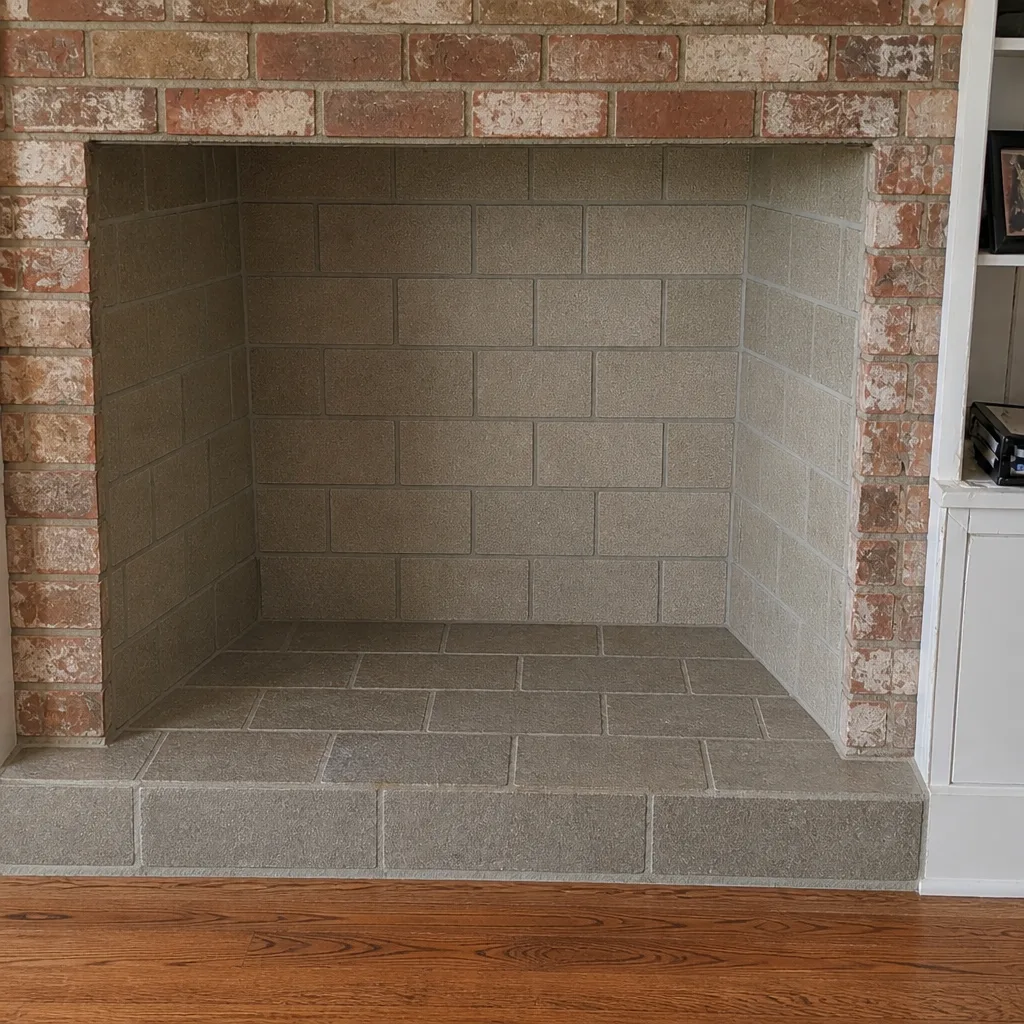
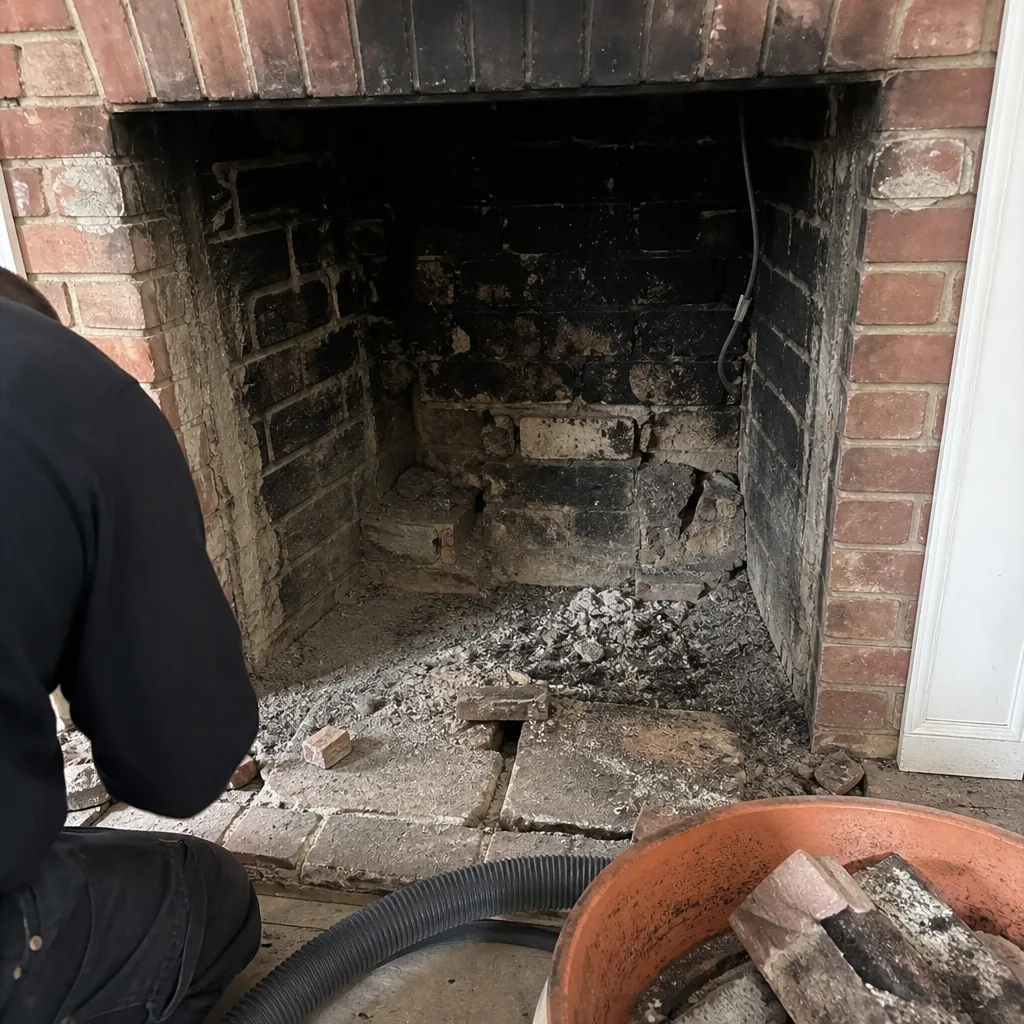
See the difference
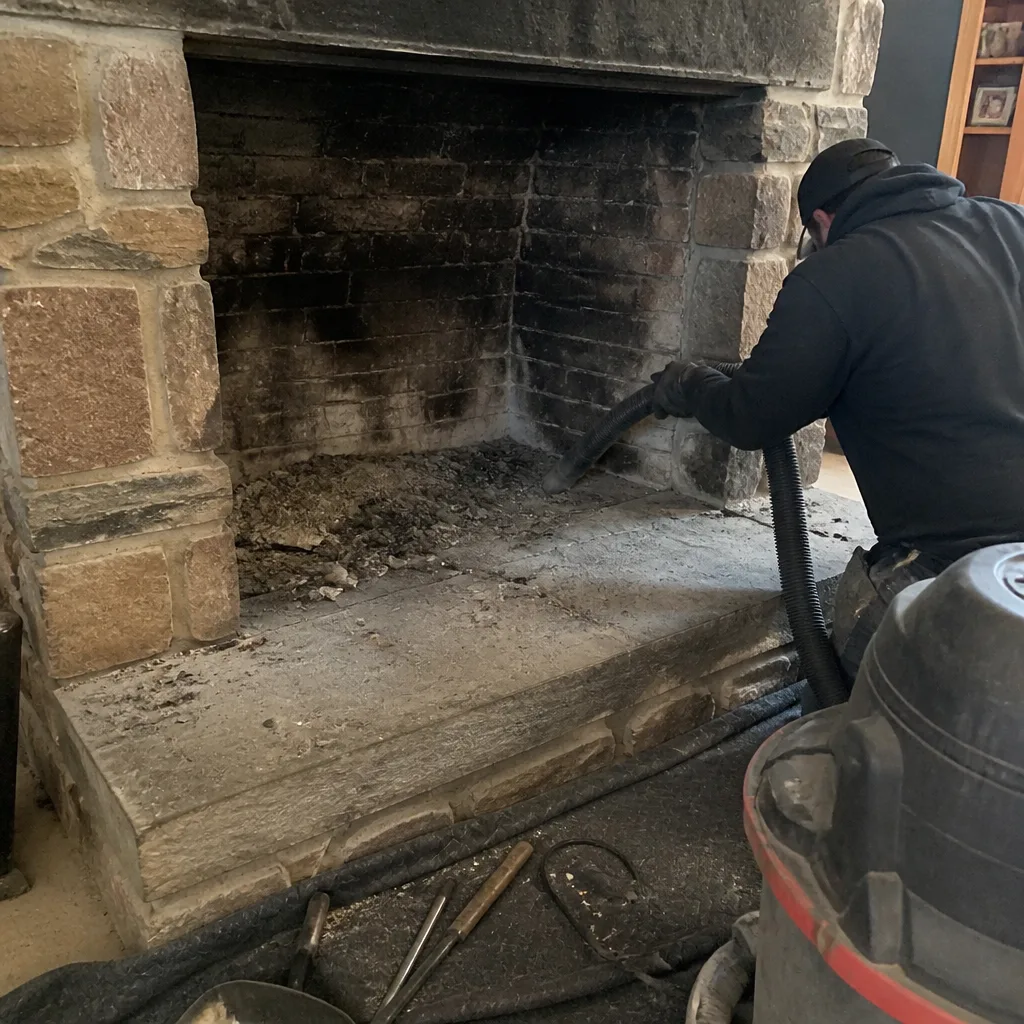 Before
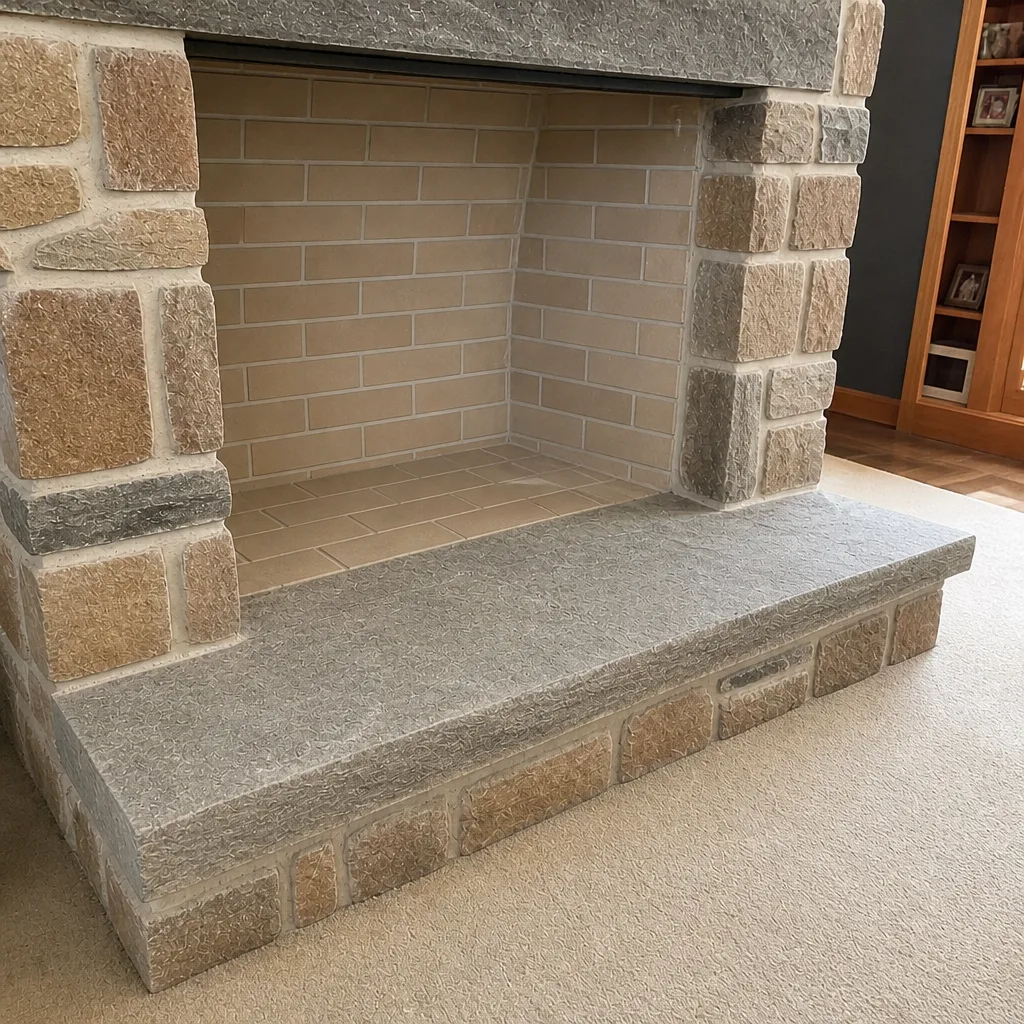 After
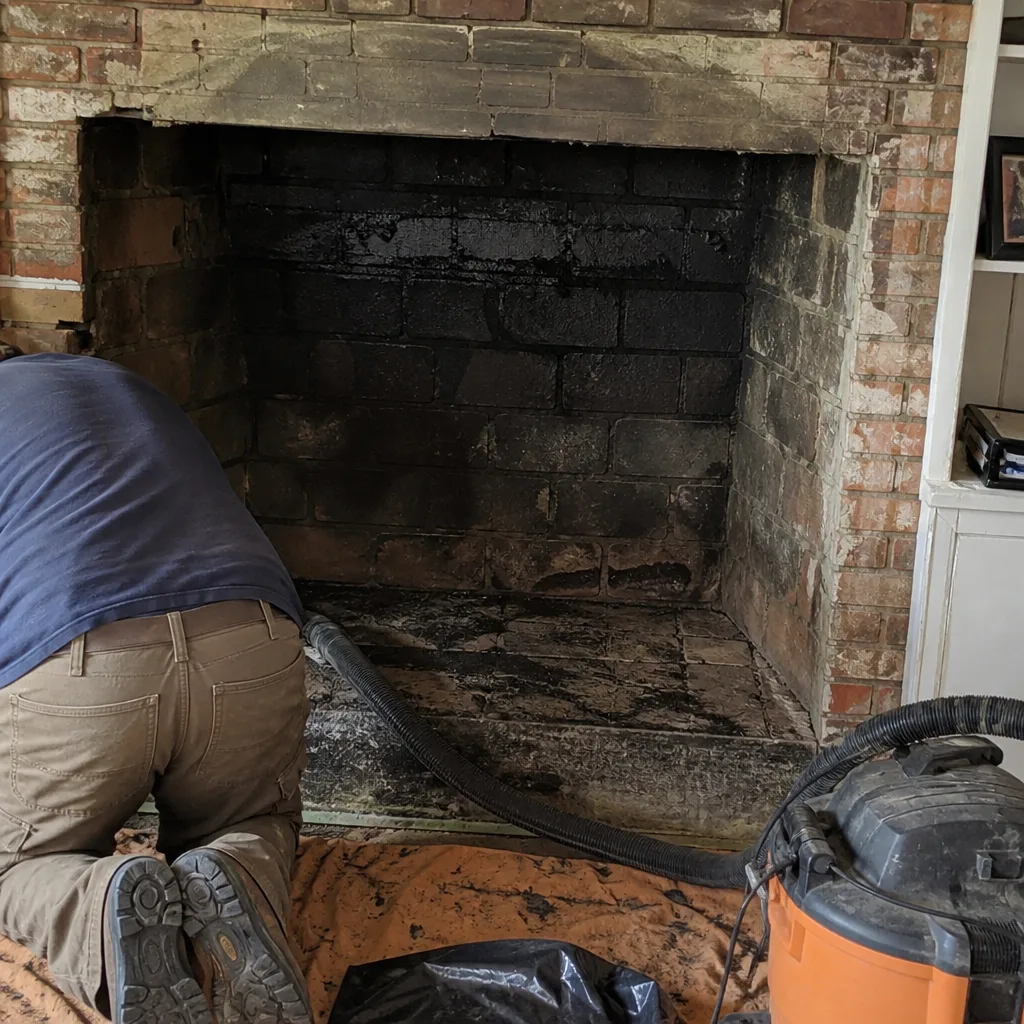 Before
 After
 Before
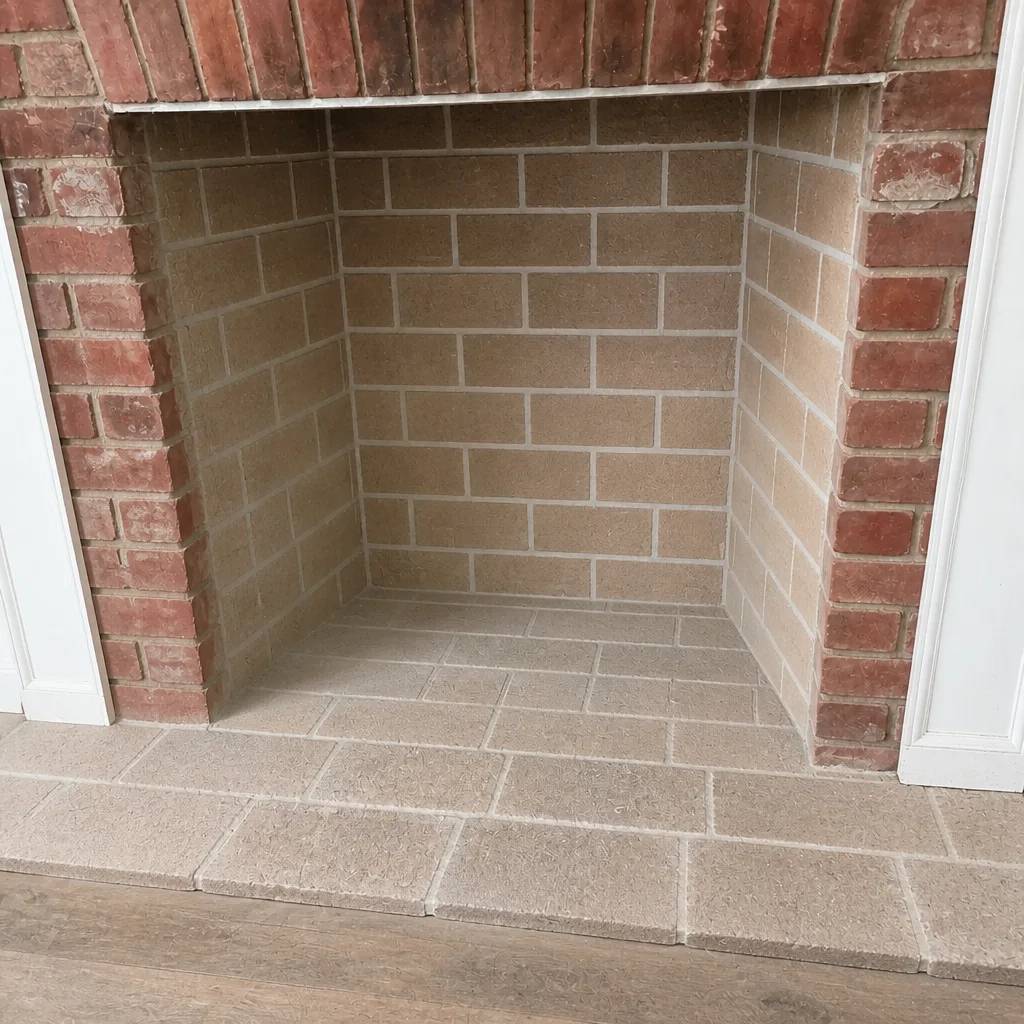 After
When to Call a Professional
Call a professional if you smell creosote persistently, if your living room smells of wood smoke on a windy day, if you see white staining or spalling brick, if a damper won’t seal, if anything is visibly cracked in the smoke chamber, or if smoke rolls into the room. Call if an animal has been in the flue. Call if the fire has suddenly stopped drafting the way it used to. Also call if you’re simply due for your annual sweep or inspection, because that’s the visit that catches what your own eyes miss. Chimney Sweep South Boston offers free estimates in South Boston. Call (855) 550-7472. We answer 24/7. Fast dispatch from 7am to 7pm, Sunday through Friday. On-site, we show you what we find on camera and give you a written plan with nothing recommended that isn’t backed by evidence.
Frequently Asked Questions
Most South Boston homes with an active fireplace or wood-burning insert should have their chimney swept and inspected once a year. A heavier burning season, wet wood, or a cold-drafting flue can accelerate creosote buildup. If you’re using the fireplace regularly through the winter, an annual sweep is the baseline. Call (855) 550-7472 for an exact quote. Estimates are free.
A smoky or creosote smell in the living room usually means either creosote buildup in the flue or a draft problem pulling smoke back into the house. A windy day tends to expose it. That’s a sign worth an inspection rather than a wait, so call (855) 550-7472 to book one.
White staining on chimney brick is typically efflorescence, mineral salts left behind as moisture moves through the masonry and dries. The powder itself is harmless, but it’s a sign that water is getting into the chimney. That’s a crown, cap, or flashing issue in most cases, so it’s worth an inspection. Call (855) 550-7472 for a free estimate.
It depends on the other signs. A light creosote smell with a fire that drafts normally usually means book a sweep soon. A strong creosote smell together with poor draw or smoke into the room means don’t light another fire until it’s inspected. Either way, calling sooner is cheaper than waiting. Call (855) 550-7472.
A fire that’s suddenly slow to draft or keeps dying back often points to a restriction in the flue, an undersized or damaged liner, or an animal nest. Cold flues are normal in South Boston in winter, but a persistent change in draft is not. Have it inspected before you push through it.
No. The smoke chamber and firebox are exposed to combustion gases hot enough to matter, and shortcuts there are dangerous. A cracked smoke chamber is a stop-and-call sign. Call (855) 550-7472 to have it inspected and get a written plan.
The Bottom Line
Your chimney reports its condition long before it fails, through smells, exterior stains, interior cracks, and how the fire behaves. Learn the creosote, moisture, animal, and backdraft smells. Learn the exterior signs (white staining, spalling brick, rust streaks, a crumbling crown). Check the firebox, damper, and smoke chamber with a flashlight. Watch how the fire starts and drafts. Sort what you find on the watch/book/stop scale. Between visits, your own eyes and nose fill the gap. At the annual visit, camera evidence tells you the rest. If anything here has you reaching for the phone, that’s the right instinct.
Chimney Sweep South Boston connects South Boston homeowners with independent local professionals who handle sweeping, inspection, caps and crowns, fireplace repair, and chimney repair. Our technicians have up to 11 years of experience, and our material lineup includes DuraFlex for full liner replacement, HeatShield for flue resurfacing, and Famco and Copperfield for caps and masonry. Call (855) 550-7472 for a free estimate. We answer 24/7. Fast dispatch from 7am to 7pm, Sunday through Friday.
Written by the team at Chimney Sweep South Boston.