
Last updated November 25, 2026
 Sweep & inspection
 Caps & crowns
 Flue relining
 Masonry repair
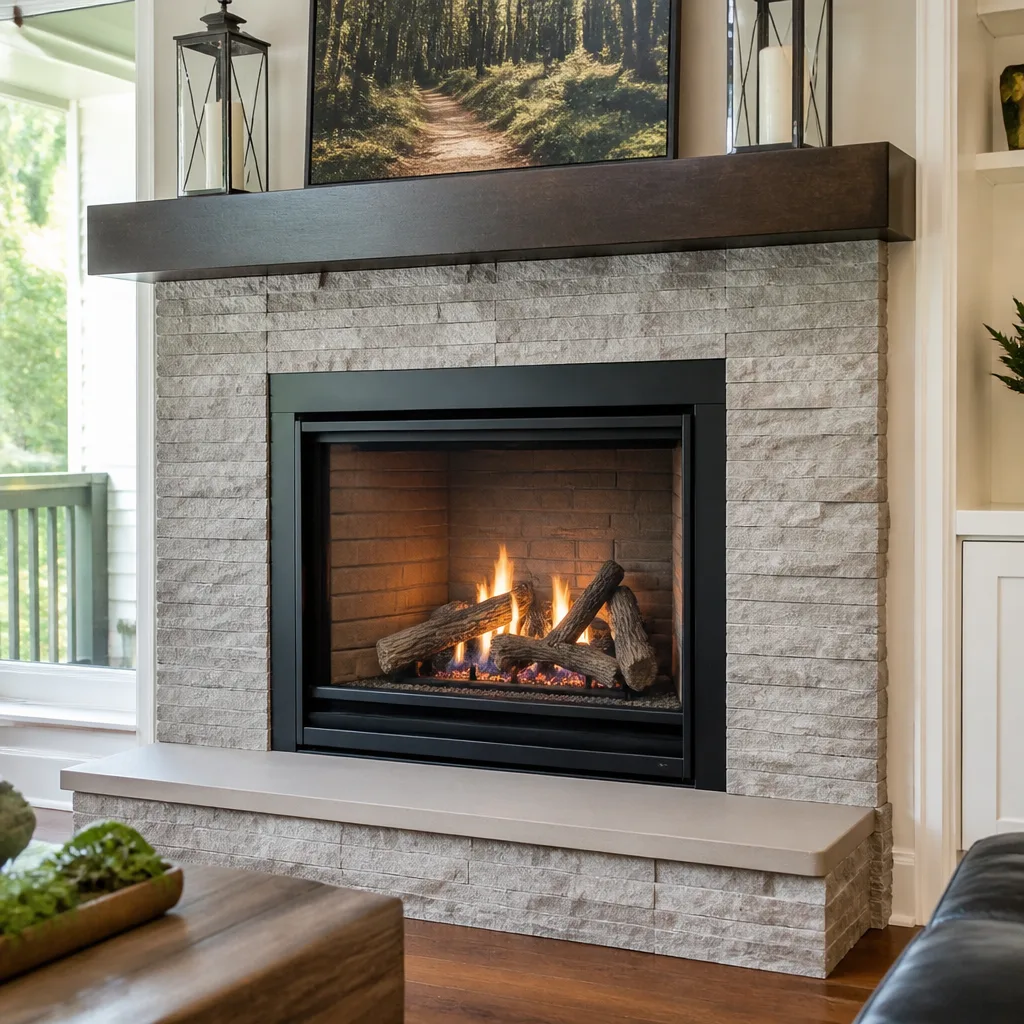 Gas fireplace service
Level 1 sweep and inspection to the NFPA 211 annual standard - flue, crown, cap, and flashing checked and photographed
Chimney sweep logs do not sweep chimneys. They loosen some creosote - which then falls where a brush and vacuum still have to collect it.
Chimney Cleaning Permits, Codes & Inspections in South Boston, MA: What You Need to Know
A chimney cleaning doesn’t need a permit. A new stainless liner installed without one could cost you at closing, or give your insurance company grounds to deny a fire claim. That split – sweeping is maintenance, structural chimney work is construction – is where most South Boston homeowners get caught off guard. People assume the whole chimney falls under the same easy category, so nobody asks for paperwork, and nobody keeps it. This guide walks through which chimney jobs in Boston and Suffolk County require a permit and which don’t, how the Massachusetts State Building Code applies to venting systems, what a Boston Inspectional Services Department review actually covers for chimney work, and how unpermitted work surfaces during a home sale. If you own a fireplace, insert, or masonry chimney in South Boston, this is the reference you’ll want before you book anything.
Quick Answer
Routine chimney cleaning and sweeping do not require a permit in Boston. Liner replacement, relining, new chimney construction, and structural repairs to the chimney or firebox generally do require a building permit through the Boston Inspectional Services Department, with the work inspected against the Massachusetts State Building Code (780 CMR) and NFPA 211 as the baseline standard. If you’re hiring a sweep in South Boston, ask which parts of your job fall under permit and get the answer in writing.
Styles & brands we work with
- Sweep & inspection
- Caps & crowns
- Flue relining
- Masonry repair
- Gas fireplace service
Table of Contents
- Which Chimney Jobs Need a Permit in Boston?
- How the Massachusetts State Building Code Applies to Your Chimney
- NFPA 211: The Standard Inspectors Actually Check Against
- What a Boston ISD Inspection Covers for Chimney Work
- Unpermitted Chimney Work and the Real Estate Transaction
- What’s Different About Chimneys in South Boston
- What Paperwork to Keep for Your Chimney
- Level 1, 2, and 3 Inspections: When You Need Which
Which Chimney Jobs Need a Permit in Boston?
In Boston, sweeping is not permitted work; relining and structural chimney repair are. That’s the short version. The long version matters because the line between “maintenance” and “construction” isn’t obvious when you’re looking at a cracked crown or a firebox that’s started to spall, and getting the classification wrong on the front end is what creates the trouble later. Here’s how the work typically sorts out in Suffolk County:
No permit usually required
- Annual chimney sweeping and creosote removal
- Level 1 visual inspection of an accessible chimney
- Replacing a chimney cap with a like-for-like unit
- Minor crown patching where the crown is intact and only the surface is failing
- Routine firebox cleaning with no masonry repair
Permit generally required
- Installing a new stainless steel liner or relining an existing flue
- Converting an unlined flue to a lined system
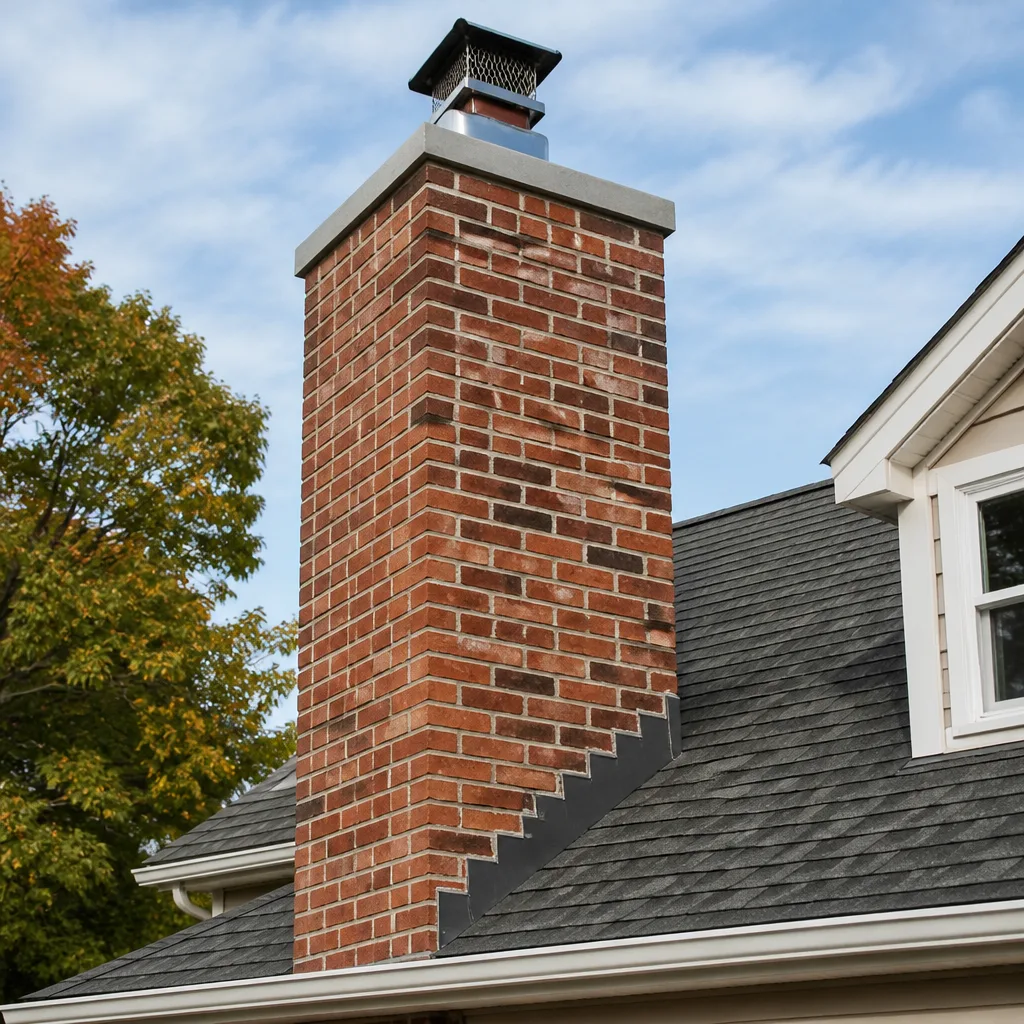
- Chimney rebuilds, repointing beyond surface work, or crown replacement
- Firebox reconstruction or significant firebox masonry repair
- Adding a new chimney, or changing a venting system’s configuration
- Installing a wood-burning insert or changing the appliance connected to the flue
The word “generally” is doing real work there. Boston’s building officials have discretion, and an older South Boston triple-decker with a chimney that predates modern code sometimes gets reviewed differently than a new build. Before any structural chimney work starts on your property, the right move is a call to the Boston Inspectional Services Department to confirm what your specific job requires. We make that call part of the scoping process on every South Boston chimney repair because the answer changes what the estimate looks like.
One distinction worth keeping straight: a permit is not the same as an inspection. A permit is the city’s authorization to do the work. The inspection happens after, and it’s what converts an open permit into a closed one. A closed permit in your file is proof the work was done to code. That piece of paper matters more than most homeowners realize until they’re selling the house.
How the Massachusetts State Building Code Applies to Your Chimney
The Massachusetts State Building Code, cited as 780 CMR, adopts the International Residential Code with Massachusetts amendments, and its chimney and venting provisions are what a Boston inspector will reference. In plain terms, the code sets minimum requirements for how a chimney is built, how a liner is installed, how clearances are maintained, and how a flue is sized to the appliance it serves. You don’t need to memorize it, but you do need to know it exists and that it governs the work.
The provisions that come up most often on South Boston chimney jobs:
- Liner requirement. A flue serving a wood-burning appliance needs a listed liner. An unlined or clay-tile flue with deteriorated joints does not meet the current standard, and that’s the most common finding when we open up an older South Boston chimney.
- Clearances to combustibles. Framing, sheathing, and any wood in contact with or near the chimney need the clearance the code specifies. In dense triple-decker construction, this is where hidden problems live behind a wall.
- Flue sizing. A flue that’s too large for the appliance draws poorly and builds creosote faster. A flue that’s too small won’t vent properly. Sizing is both a code question and a performance question.
- Cap and termination. The chimney has to terminate at the correct height above the roof, with a listed cap that keeps rain and animals out while letting exhaust clear.
- Appliance connection. The connector between the stove or insert and the flue has to be the correct material and properly supported.
None of this is abstract when you’re standing in front of a chimney that’s been quietly doing its job for years. Code compliance isn’t retroactive on every existing chimney. But the moment you change the system – a new liner, a new insert, a rebuilt crown – the work has to meet the code as it stands now. That’s why a permit triggers an inspection: the inspector is confirming 780 CMR was followed, not just that the job looks tidy.
If a chimney contractor tells you code compliance is unnecessary because “the chimney was grandfathered in,” that’s worth a second conversation. Grandfathering protects an untouched system. It doesn’t cover a liner replacement or a rebuild. When we walk a South Boston property, we flag where the current standard applies so you can plan for the scope, not discover it mid-job.
NFPA 211: The Standard Inspectors Actually Check Against
NFPA 211 is the Standard for Chimneys, Fireplaces, Vents, and Solid Fuel-Burning Appliances, and it’s the document an inspector and a trained chimney technician both reach for. Where 780 CMR gives the legal minimum, NFPA 211 gives the detailed technical criteria for condition and clearance. Three areas come up again and again.
Clearances
NFPA 211 sets out the required distance between a chimney and combustible materials, along with how those clearances are established and verified. On an exposed chimney in a single-family home, that’s often straightforward to check. In a South Boston triple-decker where the flue runs up through a shared chase between units, clearance verification can mean opening a wall or using a camera. A clearance violation isn’t a cosmetic issue; it’s the condition that lets a chimney fire spread into the structure. When our technicians can’t see a clearance, they say so rather than guess.
Liner condition
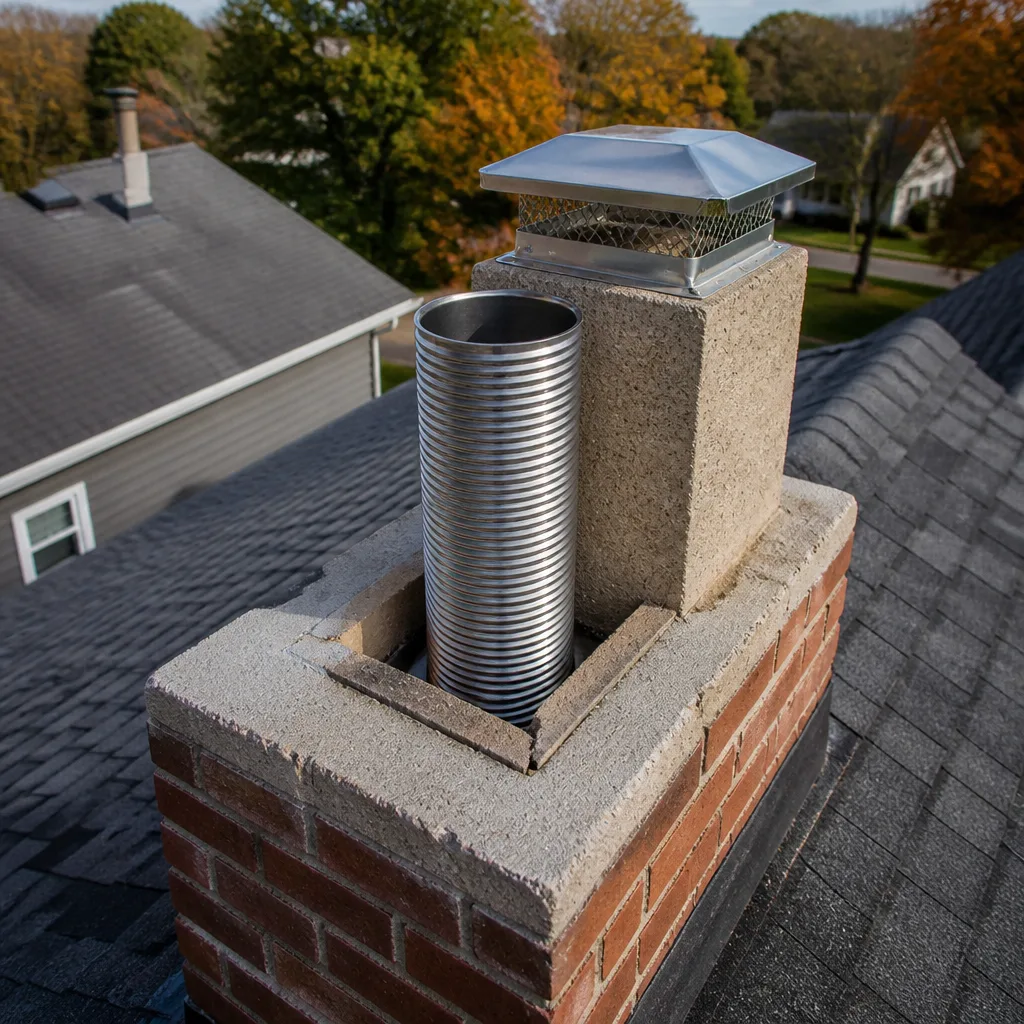
The standard requires the flue to be sound and continuous, with no gaps or cracks that would allow heat, embers, or flue gases to escape. Clay-tile liners are inspected for joint gaps, spalling, and offset tiles. An unlined flue is assessed for its ability to contain the products of combustion. Where the liner has failed but the surrounding masonry is sound, HeatShield resurfacing can sometimes restore the flue without a full replacement – a method most general contractors don’t carry. Where the liner is beyond resurfacing, a DuraFlex stainless system is the standard fix. We show you the camera footage of the joints before recommending either path, because “your liner needs replacing” means nothing if you can’t see why.
Cap specifications
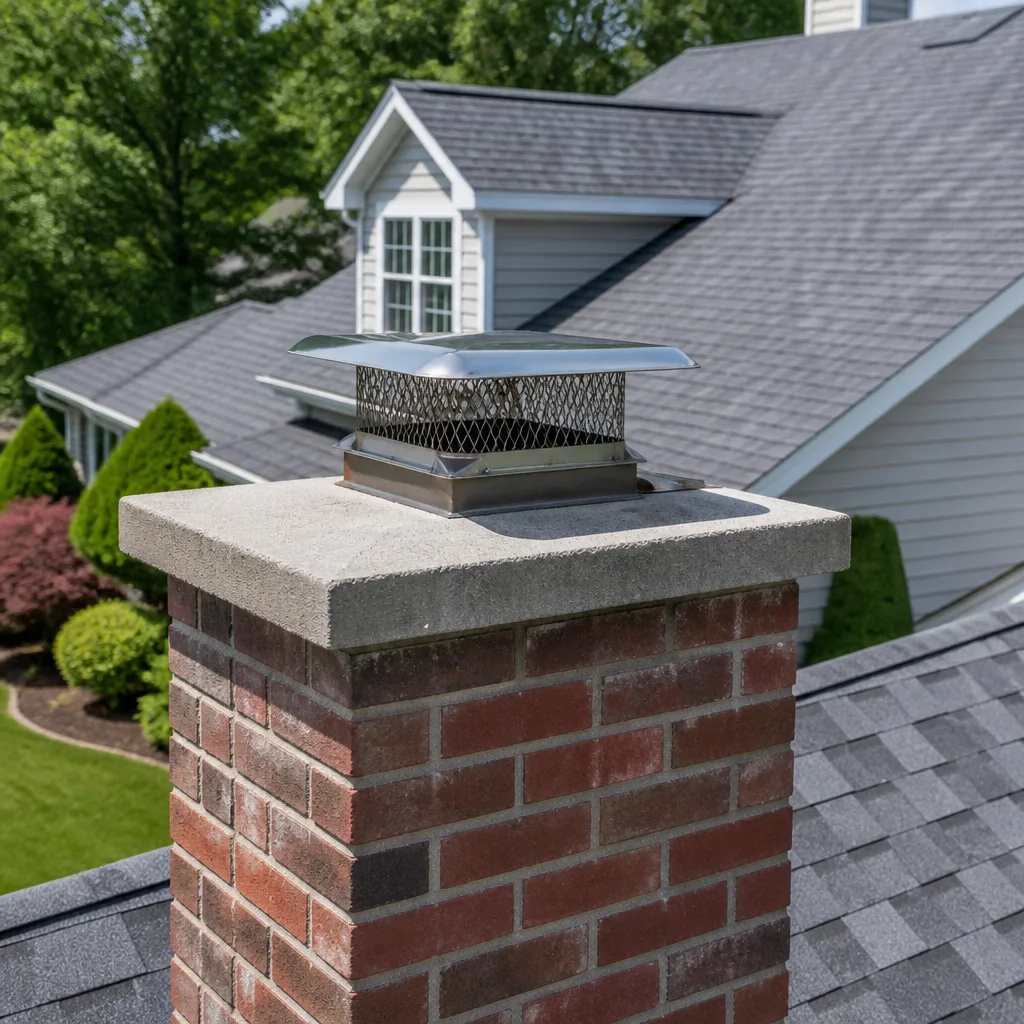
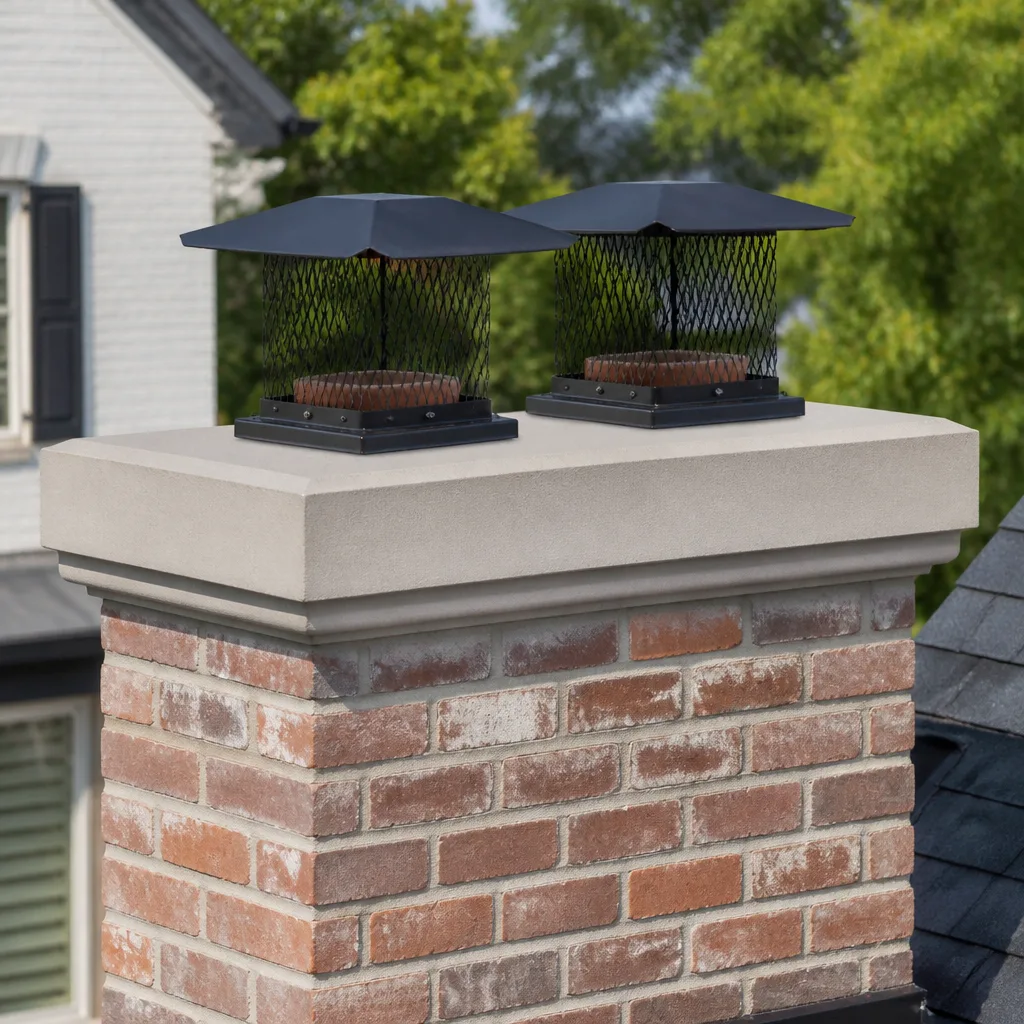
NFPA 211 requires a chimney to be capped to keep rain, birds, and debris out while allowing free venting of exhaust. A generic hardware-store cap may or may not meet the standard for your flue size. Custom-fit caps from Gelco or Famco match the flue’s actual dimensions and the appliance’s venting needs, which matters on a South Boston roofline where wind and weather work on the cap year-round. If your existing cap is rusted through, missing, or improvised from a piece of sheet metal, it’s not doing the job the standard asks of it.
A Level 2 inspection is where these three items get documented in detail. That documentation is what an inspector references and what an insurance adjuster asks for after a fire claim. It’s also what we hand you after a chimney sweep in South Boston so you have a record of condition, not just a clean flue.
What a Boston ISD Inspection Covers for Chimney Work
A Boston Inspectional Services Department inspection of permitted chimney work focuses on whether the installed system matches the approved plans and meets 780 CMR. It is not a full condition assessment of the entire chimney, and it is not the same as an NFPA 211 Level 2 inspection. Understanding the difference saves homeowners a lot of confusion.
Here’s how a permitted chimney job typically moves through the process in Boston:
- Scope and permit application. The contractor files for a building permit describing the scope – for example, a liner replacement on a specific flue. Structural or liner work gets reviewed before the permit issues.
- Work performed. The installation proceeds to the approved scope. Any change in scope means an amended permit, not a workaround.
- Inspection request. The contractor calls for inspection once the work reaches the stage the permit requires. For a liner, that’s after installation and before the appliance goes back in service.
- ISD inspection. The inspector confirms the installed liner, clearances, cap, and appliance connection match the approved scope and the code. Discrepancies get a correction notice.
- Signed-off permit. Once the inspection passes, the permit closes. That closed permit is the document you keep.
What the inspection typically does not cover: the internal condition of an existing flue that wasn’t part of the permitted scope, creosote levels, or the broader structural health of the masonry above and around the work. Those are inspection questions, not permitting questions, and they’re answered by a Level 1 or Level 2 inspection. If your sweep and your inspection are the same visit, ask for the scope in writing so you know which one you received.
When you’re planning chimney work in South Boston, the timing question is yours to ask: confirm with the contractor which inspections are required and when they get scheduled. We schedule ISD inspections as part of permitted work so the process doesn’t stall after the crew leaves. The local pro who does the work is licensed and insured as Massachusetts requires; confirming that before the permit is filed is the homeowner’s simplest safeguard.
Unpermitted Chimney Work and the Real Estate Transaction
Unpermitted chimney work tends to stay invisible until a home goes under contract. That’s when the buyer’s inspector climbs on the roof, notes a newer stainless liner with no visible permit record, and flags it. The seller learns, usually at the worst possible moment, that a liner installed years earlier has no paper trail. What happens next depends on the buyer, the lender, and the insurance company, but the pattern is familiar enough to plan around.
How unpermitted work surfaces during a South Boston sale:
- Home inspection disclosure. The buyer’s inspector reports “recent chimney liner, permit status unknown.” That becomes a contingency item.
- Title and permit search. Some buyers and their attorneys pull permit history. An open or missing permit shows up.
- Insurance underwriting. An insurer can decline to cover a wood-burning appliance if the venting system can’t be shown to meet code. That’s a coverage problem, not a closing problem, and it follows the property.
- Appraisal or lender review. Lenders generally want to see that structural work was permitted. A missing record can hold up financing.
The remediation path is rarely dramatic, but it’s unglamorous. Typically it means hiring a qualified chimney contractor to assess what was installed, pulling a permit retroactively where the city allows it, opening up enough of the work for inspection, and paying for whatever corrections the inspector requires. If the original install was actually done to code but never permitted, the assessment and inspection are the bulk of the cost. If it wasn’t done to code, the correction could mean redoing part or all of the liner. That’s the risk that sits quietly in a house until it doesn’t.
The prevention is simple: keep the permit. When we install a liner or rebuild a crown in South Boston, we tell you the permit number and hand you the closed permit and the inspection report when the job wraps. Store them with your other home records. It’s a folder you’ll only open twice in your life, and both times it matters. That story ends well only if the folder has something in it.
What’s Different About Chimneys in South Boston
South Boston’s housing stock shapes almost every chimney question we get. The neighborhood runs heavily to brick triple-deckers and row houses built in overlapping waves, and the chimneys in those buildings were designed for coal or early wood-fired heating, not for a modern wood insert running in a flue that was never evaluated for it. That gap between design intent and current use is the source of most of the code questions that come up here.
The local conditions we plan around:
- Shared chimney chases. In a triple-decker, multiple units’ flues often run through a single masonry chase. Clearance verification and liner work affect more than one unit, which is why permitting gets more complicated in South Boston than in a detached house.
- Age and prior modification. Chimneys that have been reworked over the years – a flue closed off, a liner added, a cap improvised – are common. Each change is a potential unpermitted item, and each one matters to a buyer’s attorney.
- Winter usage patterns. South Boston fireplaces get a lot of use in cold months, and heating-degree swings between fall and spring push creosote buildup. A chimney that was swept in one season can be due again by the next. That’s not a permitting issue, but it’s the reason annual inspection matters in this climate.
- Roofline wind and weather. Chimney caps in South Boston take a beating from the nor’easters and wind-driven rain that come through. A cap that’s failed quietly lets water into the flue and crown, and water damage to a crown is one of the more common repair findings we document.
None of that changes the code, but it changes how a job gets scoped. A liner replacement in a single-family home with a straight-shot flue is a different project from a reline in a South Boston triple-decker where the flue takes a jog and access means going through a unit. When you get an estimate, ask whether the price accounts for the local conditions – most confusion over chimney costs in this neighborhood comes from comparing apples to triple-deckers.
Our technicians have up to 11 years of experience, and the work we do is chimney-only. We’re not a multi-trade company where chimney work is a side offering. That focus is why we can tell you honestly when a job can safely wait, and when it can’t.
What Paperwork to Keep for Your Chimney
If you take nothing else from this guide, take the paperwork. The most common chimney-related problem we encounter in South Boston isn’t a failed liner; it’s a failed paper trail. A homeowner who has a closed permit and an inspection report in hand has a different experience at closing than one who has a clean flue and no records.
Here’s the file to build and keep:
- The permit application and closed permit for any liner, relining, rebuild, or structural work. This is the core item.
- The ISD inspection sign-off that accompanied the permit closure.
- The NFPA 211 inspection report for the most recent Level 1 or Level 2 inspection, including photos and any camera footage.
- Sweep records showing when the flue was last cleaned and the condition at that time.
- Manufacturer documentation for any liner or cap installed – for example, the DuraFlex or Olympia Chimney product literature for a liner system, or the spec sheet for a Gelco or Famco custom cap. These matter to an inspector and to an insurer.
- Any correction notices and the signed-off response showing the correction was made.
Keep the folder physical and digital. If you sell, it goes with the house. If you file an insurance claim, it goes to the adjuster. If a future technician asks about the liner, you hand them the spec sheet instead of a shrug. The paper is part of the chimney system, even though it doesn’t feel like it on the day.
When we finish a job in South Boston, we hand you the file. It’s part of how we work, not an add-on. If you buy a home in South Boston and the seller can’t produce the paperwork on a newer liner, that’s a question to resolve before closing, not after.
Level 1, 2, and 3 Inspections: When You Need Which
NFPA 211 defines three levels of chimney inspection, and knowing which one applies to your situation is the difference between a useful inspection and a wasteful one. Most South Boston homeowners need a Level 1 or Level 2; a Level 3 is rare and usually triggered by a specific event.
- Level 1. A visual inspection of the accessible portions of the chimney, firebox, and appliance connection. This is the inspection that accompanies an annual sweep. It’s appropriate when the appliance and system haven’t changed and there’s no known problem.
- Level 2. Everything in a Level 1, plus inspection of accessible portions of the chimney’s interior, often with a camera. Required when a property changes hands, when an appliance is replaced or added, when a fuel type changes, or after a chimney fire or earthquake. This is the level a real estate transaction or insurance review will ask for.
- Level 3. Everything in a Level 2, plus inspection of concealed areas – which can mean opening a wall or removing part of the chimney. Required when a Level 2 identifies a serious hazard that can’t be assessed without access to concealed areas.
The Level 2 is the one that matters for permitting and real estate in South Boston. It’s also the one we recommend if you’ve just bought a triple-decker, if the chimney hasn’t been inspected since a liner was installed, or if you’re planning to put a wood insert in. A Level 2 gives you the documented condition that an inspector, a lender, and an insurer all want to see. We tell you which level a job needs before we start, and we don’t recommend a Level 3 unless a Level 2 gives us a specific reason.
One caution worth stating plainly: a Level 3 inspection can mean opening walls, and it’s a bigger deal than a sweep. Anyone recommending one needs to explain what hazard triggered the recommendation. That’s how an honest inspection works, and it’s the standard we hold ourselves to.
Common Mistakes to Avoid
- Assuming “chimney cleaning” covers everything. Sweeping doesn’t cover liner replacement, relining, or structural repair. If a quote treats permit-required work as a same-day add-on, ask which items fall under permit.
- Not asking for the permit number in writing. A verbal “we’ll take care of the permit” is worth less than a permit number and a copy of the closed permit. Get both.
- Skipping the NFPA 211 Level 2 when you buy a South Boston triple-decker. A property transfer is exactly when a Level 2 matters most, and a Level 1 won’t answer the questions a buyer’s attorney will ask.
- Trusting a clean flue over a documented one. A chimney that sweeps clean can still have an unpermitted liner and a clearance problem behind a wall. Clean is not the same as compliant.
- Overlooking clearance to wood framing. In dense South Boston construction, hidden framing near the chimney is common and it’s the condition that turns a small flue fire into a structure fire. Ask whether clearances were checked.
- Letting an inspector’s correction notice sit. A correction isn’t a suggestion. The permit stays open until the correction is documented and signed off, and an open permit is a problem at sale.
- Discarding the paperwork after a job. The closed permit and inspection report are the two documents that protect you at closing and in an insurance claim. Keep them with the home records, and hand them over if you sell.
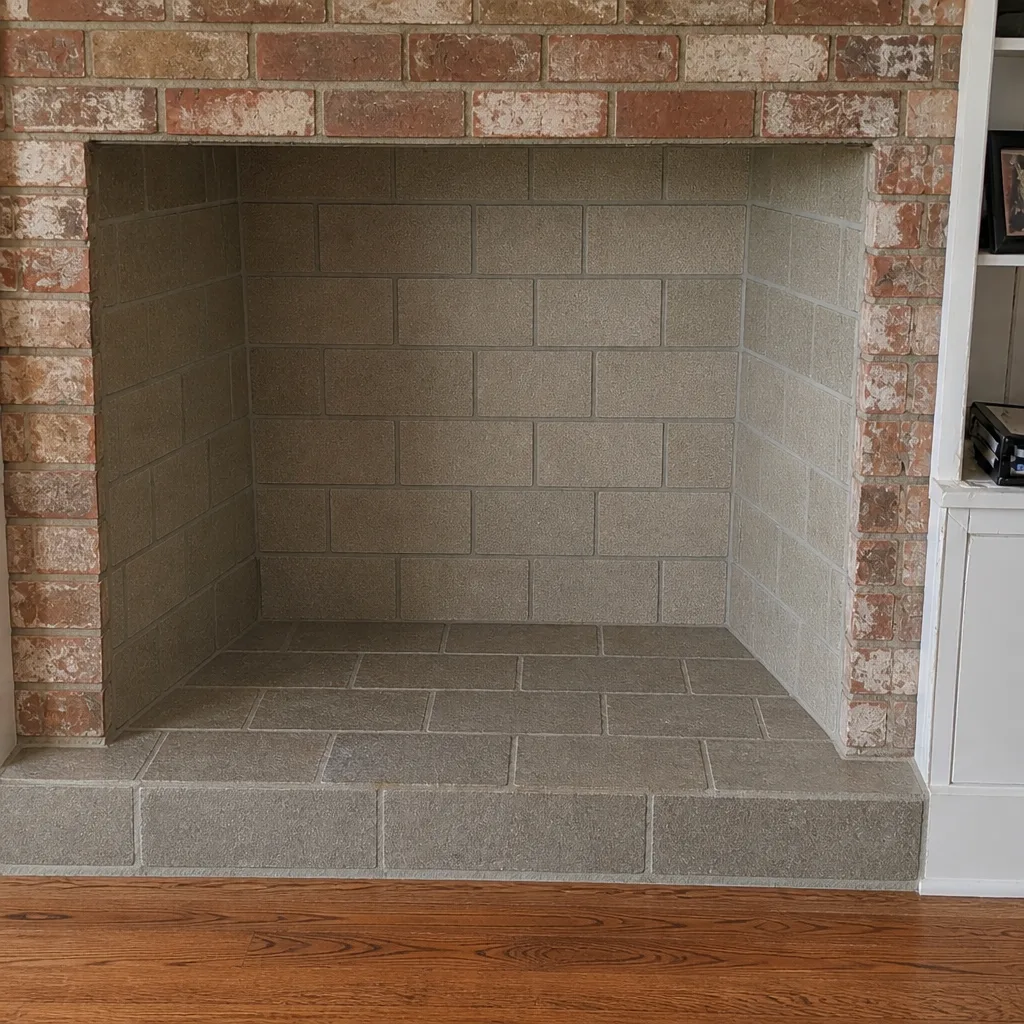
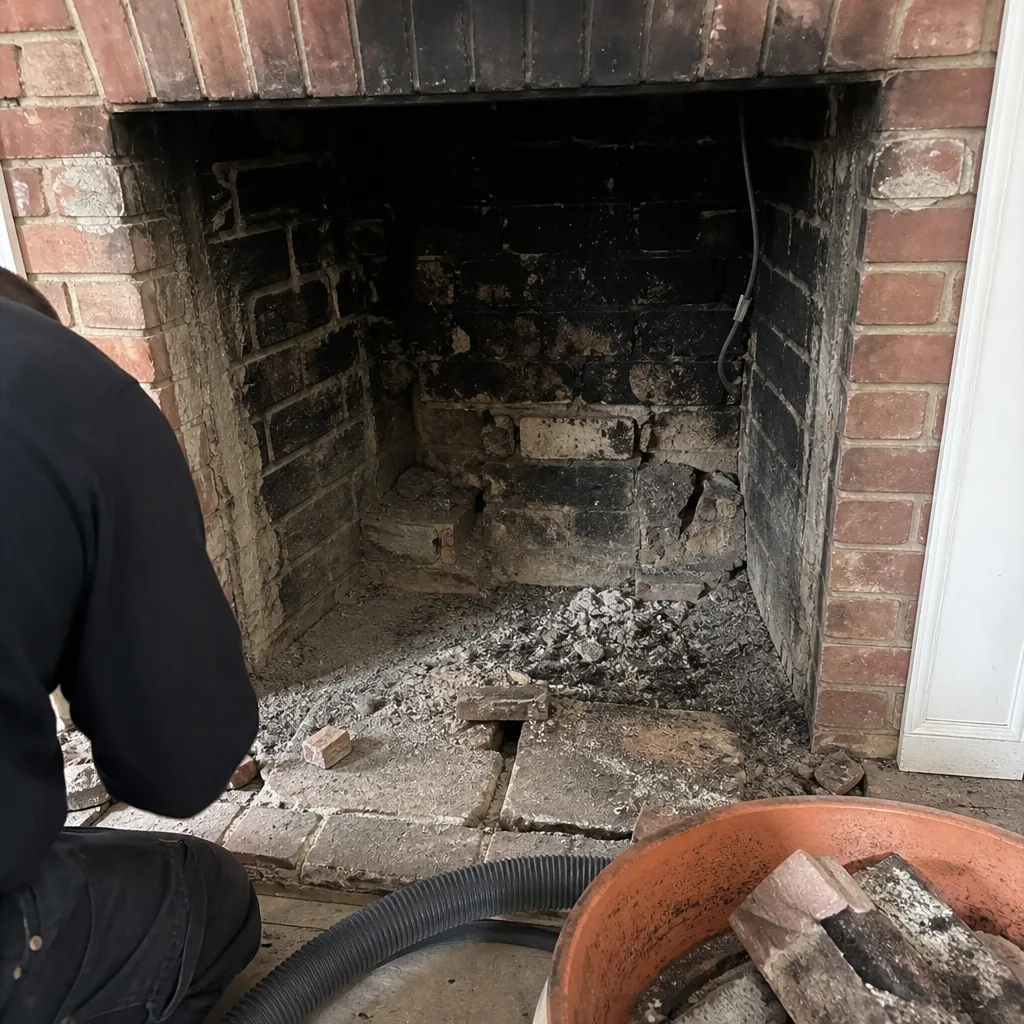
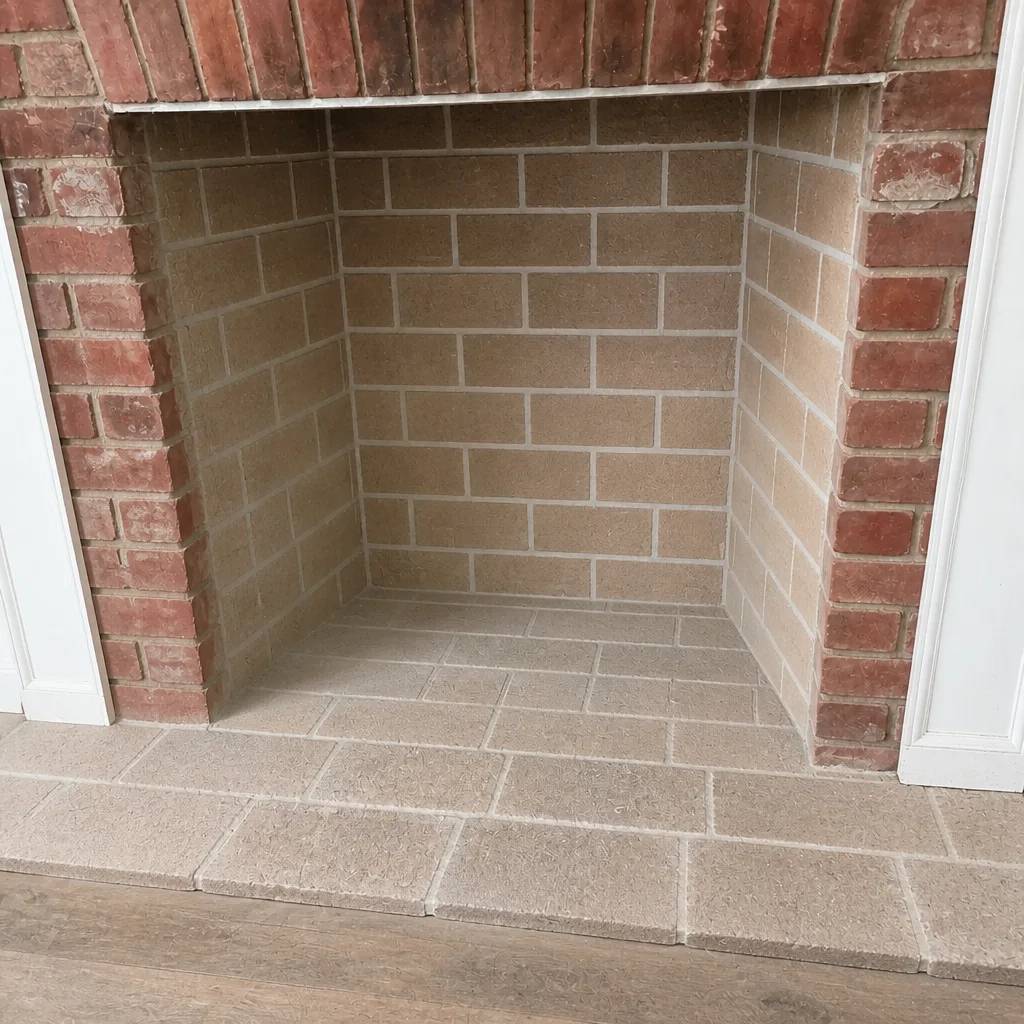
See the difference
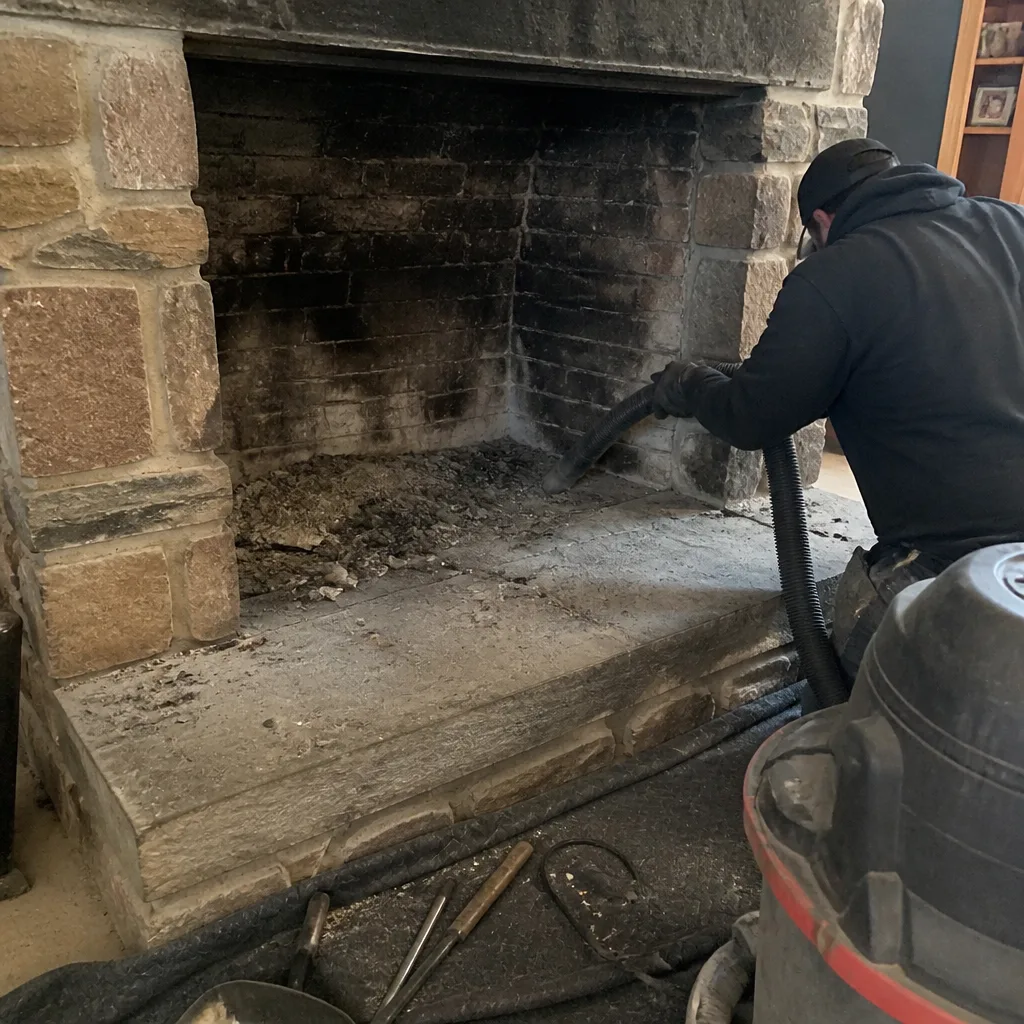 Before
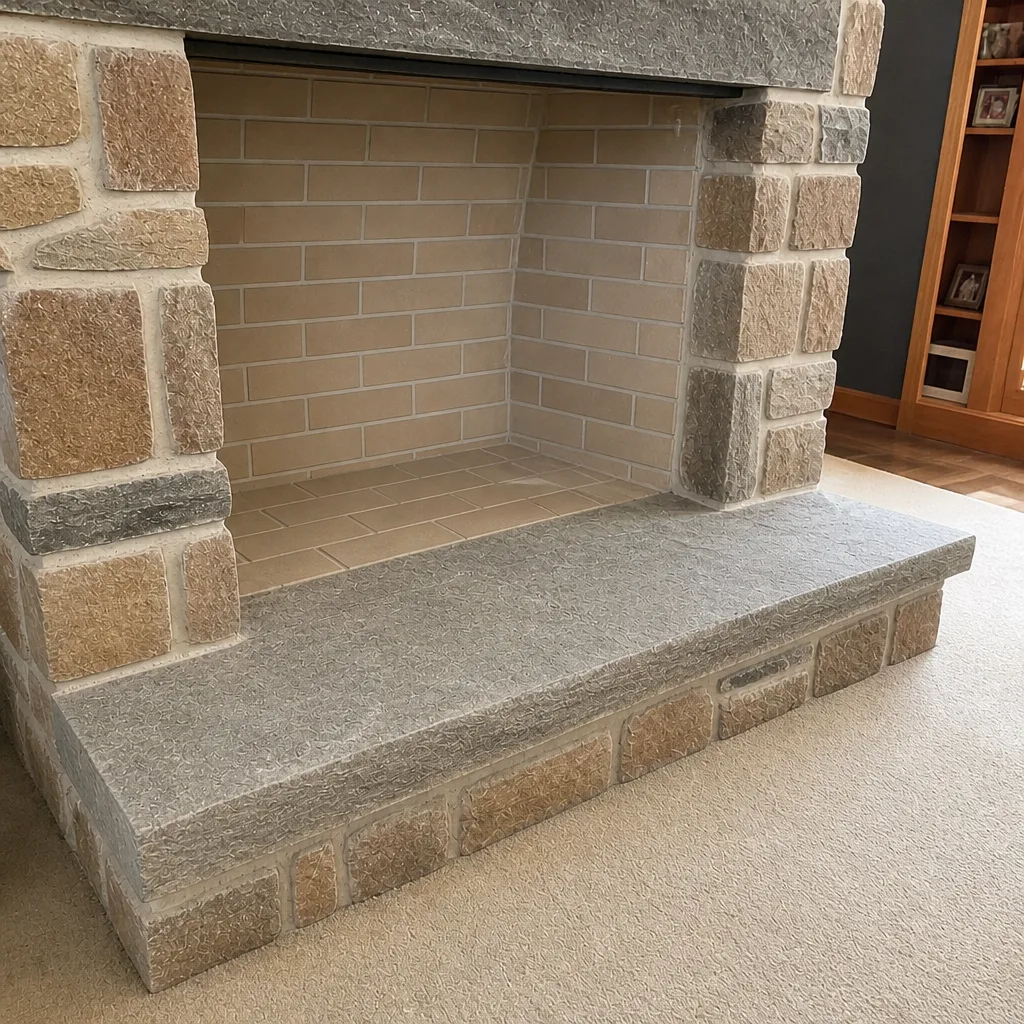 After
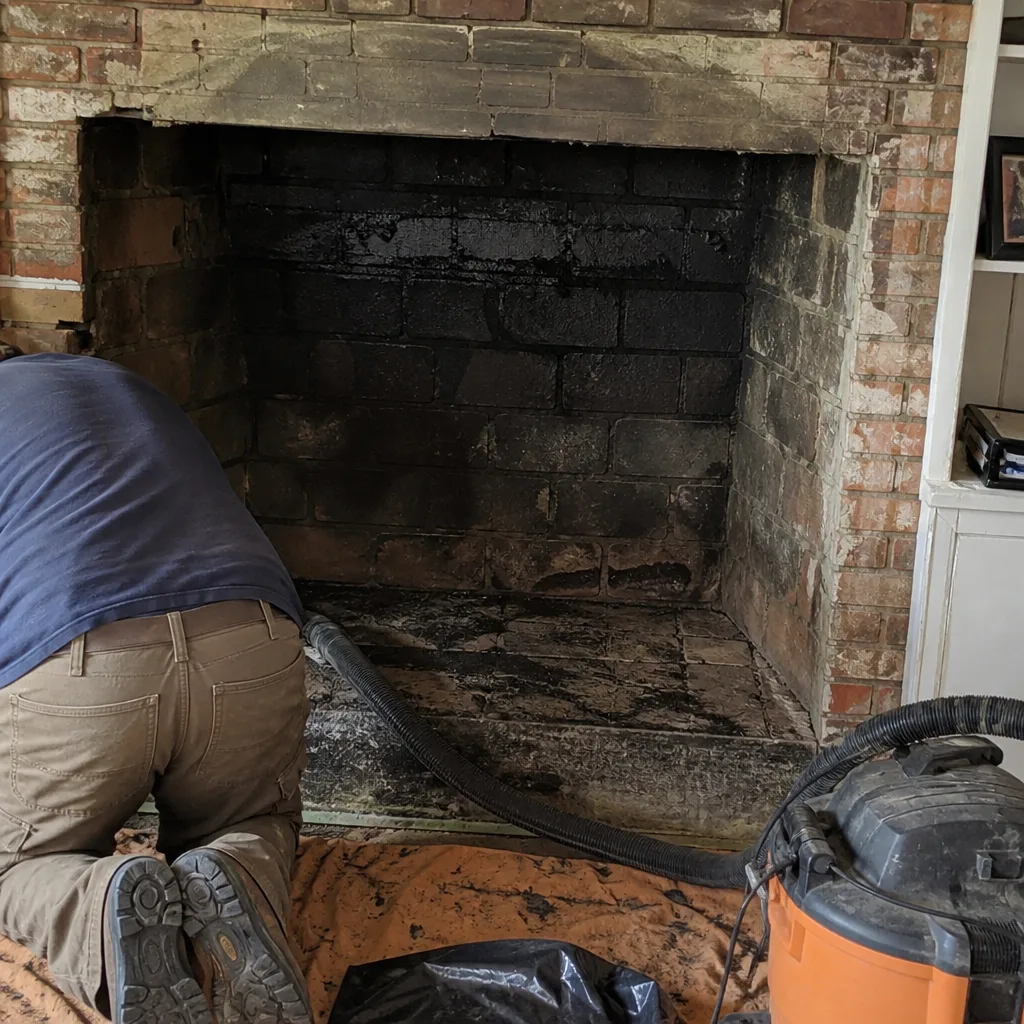 Before
 After
 Before
 After
When to Call a Professional
Some chimney work is a phone call away from being handled well; some of it is genuinely not a DIY project. Call a chimney professional if you’re seeing signs of a failing liner, a cracked crown, a firebox that smokes into the room, a cap that’s missing or damaged, or creeping water stains on the masonry. Call if your flue is unlined or if the clay tiles show gaps. Call if you’ve never had an inspection and you’re using the fireplace. And call before you buy a South Boston home with a newer liner, because the paperwork question is easier to raise before closing than after. High-temperature flue work and anything involving the liner or clearances should always be handled by someone trained for it; the risk of a hidden clearance problem or a compromised flue isn’t worth attempting to diagnose yourself. Chimney Sweep South Boston offers free estimates in South Boston. Call (855) 550-7472. We answer 24/7. Fast dispatch from 7am to 7pm, Sunday through Friday.
Frequently Asked Questions
No. Routine chimney cleaning and sweeping are maintenance and don’t require a permit in Boston or anywhere in Massachusetts. Liner replacement, relining, chimney reconstruction, and firebox structural repair do require a building permit. Call (855) 550-7472 for an exact quote on permitted work – estimates are free.
A routine sweep in South Boston typically runs in the low-to-mid hundreds of dollars depending on flue condition and access, and it doesn’t include a permit. The written estimate sets the final price, and nothing beyond what you approved is added. Call (855) 550-7472 for an exact quote.
It depends on what the inspection finds. If the clay tiles are intact and only the mortar joints have deteriorated, HeatShield resurfacing can sometimes restore the flue without a full liner replacement. If tiles are cracked, offset, or missing, a DuraFlex stainless liner is the standard fix. We show you the camera footage before recommending either. Call (855) 550-7472 for an exact quote.
It becomes a contingency item. The buyer or their attorney requests documentation, the lender may want proof the structural work was permitted, and an insurer may decline coverage for the wood-burning appliance if the venting system can’t be shown to meet code. The fix is usually a retroactive permit and inspection, but if the original work doesn’t meet code, it may need to be redone. Call (855) 550-7472 to talk through how we document permitted work.
Annually for active wood-burning use, and more often if you burn frequently or notice creosote buildup. South Boston’s cold winters and the density of triple-decker chimneys make annual inspection the safe default, particularly if you haven’t had one since a liner was installed. Call (855) 550-7472 for an exact quote on a sweep and inspection.
A chimney inspection (Level 1, 2, or 3) assesses the condition of your chimney against NFPA 211 and is performed by a qualified chimney technician. A Boston Inspectional Services Department inspection verifies that permitted work was done to the approved scope and 780 CMR. Both can apply to the same job, and a Level 2 report is what an inspector and an insurer will ask for. Call (855) 550-7472 to schedule an inspection.
The Bottom Line
The rule to carry away: sweeping doesn’t need a permit, structural chimney work does, and the paperwork from that permit is the piece that protects you at closing and in an insurance claim. South Boston’s housing stock – brick triple-deckers, shared flues, chimneys built for fuels they no longer burn – makes the distinction more consequential than in many other places. 780 CMR sets the legal minimum; NFPA 211 is the condition standard inspectors check against; a Level 2 inspection is the document that connects the two. Keep the closed permit, the ISD sign-off, the inspection report, and the product documentation for any liner or cap. Everything else follows from that folder.
Need a sweep, an inspection, or a permitted liner replacement in South Boston? Call (855) 550-7472. We answer 24/7. Fast dispatch from 7am to 7pm, Sunday through Friday. Estimates are free, and the written estimate sets the final price.
Written by the team at Chimney Sweep South Boston.